

The quick answer on Dubai resorts
Dubai is not one destination but four, and they barely overlap. Because the city sprawls along the coast and inland into desert, where you stay determines what your holiday actually is.
The four areas are the Jumeirah beach strip, Dubai Marina and JBR, Downtown around the Burj Khalifa, and the desert conservation reserve an hour inland. Each has a distinct character, price profile and reason to exist.
- Pick the area first. Therefore the shortlist of Dubai resorts narrows immediately.
- Beachfront means private beach here. Public beaches exist but resorts guard their own stretches.
- November to March is the comfortable season. June to September is genuinely extreme.
- Almost everything is indoors and air-conditioned, which changes how you plan a summer trip.
- Taxis and the metro are cheap and plentiful, so a hire car is rarely necessary.
Affiliate disclosure: Some links in this guide are affiliate links. If you book through them, Silk Harbor Travel may earn a commission at no extra cost to you, and it does not change what we recommend.

Free download: Luxury Trip Planning Checklist
Shortlist premium stays faster with a calm, high-signal checklist.
Choosing your area
The Jumeirah strip runs southwest from the creek along the original coastline. Because this is where the landmark beach resorts sit, it is the default choice for a beach holiday, and the properties here have the largest grounds and the best private beaches.
Dubai Marina and JBR sit further southwest, built around a man-made canal and a beachfront promenade. Consequently it is denser, livelier and more walkable, with restaurants and shops at street level rather than inside the hotel.
Downtown clusters around the Burj Khalifa and Dubai Mall. There is no beach, so the appeal is the skyline, the shopping and being at the centre of things. Therefore it suits city breaks and stopovers rather than beach weeks.
The desert reserve is an hour inland in the Dubai Desert Conservation Reserve. Here the proposition reverses entirely: silence, dunes, wildlife and stars instead of sea and nightlife. Meanwhile the handful of properties are small and expensive.
Palm Jumeirah deserves a mention as a fifth option. The artificial island holds several large beach resorts with calm water on the inner crescent, and it sits between the Marina and Jumeirah in both geography and character.
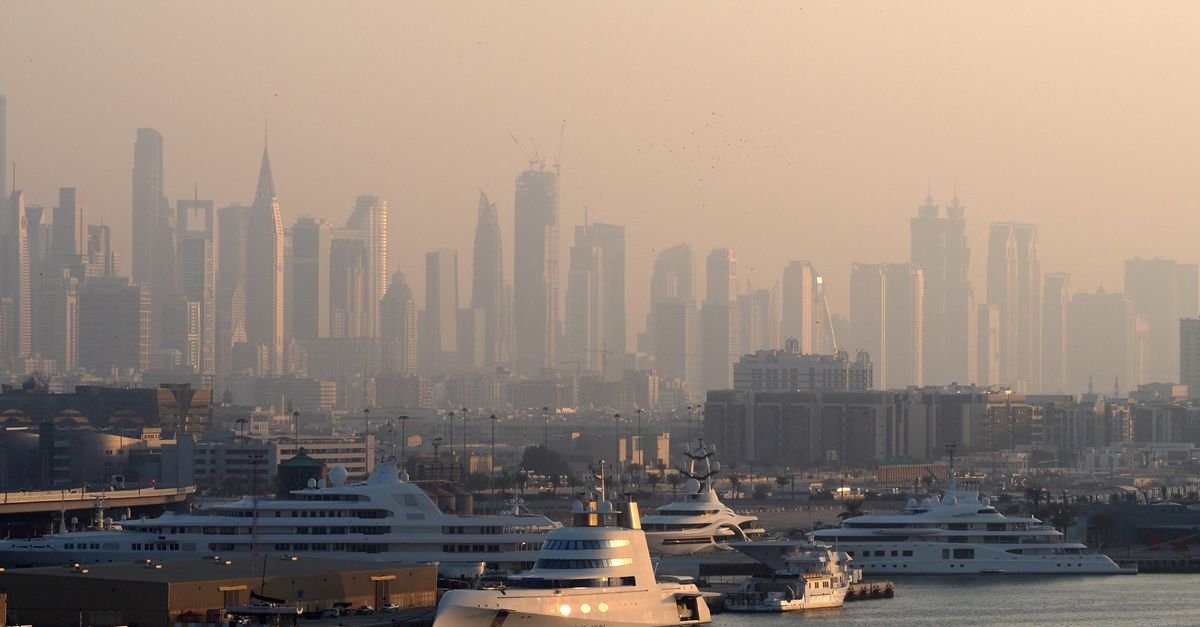
Comparing the areas before you book
The table compares what differs in daily use rather than hotel classifications, since the hardware at the top end is uniformly high.
| Area | Beach | Walkability | Character | Best for |
|---|---|---|---|---|
| Jumeirah strip | Private, wide, open sea | Low, taxi-dependent | Landmark resorts, large grounds | Beach holidays, families |
| Palm Jumeirah | Private, calm inner crescent | Low to moderate | Large resorts, waterparks | Families, calm swimming |
| Marina and JBR | Public promenade beach | High, street-level dining | Dense, lively, younger | Nightlife, independence |
| Downtown | None | High within the district | Skyline, malls, business | City breaks, stopovers |
| Desert reserve | None, pools only | None, resort-bound | Silence, dunes, wildlife | Two-night escapes, honeymoons |
A framework for choosing Dubai resorts
Start from what you want to do each day rather than from a brand list. The framework below reaches an area in one question and a room decision in a second.
Room categories at Dubai resorts and what the premium buys
Because Dubai builds vertically and at scale, the category ladder is more about aspect and floor than about villa type. Consequently the language differs from island destinations.
City-view and skyline-view rooms are the entry point at beach resorts and are usually noticeably cheaper. In practice they are perfectly comfortable, and the view is genuinely impressive at night.
Sea-view and beach-access categories carry the premium. Therefore the question is the familiar one: how much time will you spend on the balcony rather than at the pool or the beach club below?
Club and executive floors are common and unusually good value here. Because they typically include breakfast, afternoon tea and evening drinks, they frequently cost less than buying those items separately in a city where hotel food and alcohol are expensive.
Suites and villas exist at the top, and a handful of properties have private-beach villas with pools. Meanwhile desert resorts are all-villa by design, with private plunge pools as standard rather than an upgrade.
What a stay at Dubai resorts costs
Treat these as planning bands. Dubai has one of the widest luxury price ranges of any city, and the season moves rates more than the property does.
Peak season from December to February commands the highest rates, with Christmas and New Year sharply higher again. Meanwhile July and August can be remarkably cheap at the same hotels, because the heat suppresses demand.
Food and drink are the hidden cost. Restaurant prices at resorts are high, and alcohol carries substantial duty, so a week of hotel dining adds up quickly. Therefore a club-floor rate or a half-board package often works out cheaper than paying as you go.
Transfers are cheap by comparison with island destinations. Taxis are metered and inexpensive, the metro is excellent along its corridor, and ride-hailing works well. Consequently there is little reason to pre-book expensive hotel cars.
Finally, budget for activities. Desert safaris, the Burj Khalifa observation decks, waterparks and dhow dinners are all paid extras, and they are what most visitors remember.

When to go, and why summer is different
November to March is the comfortable season. Daytime temperatures are pleasant, evenings are mild, and outdoor dining works. Therefore this is peak season and priced accordingly.
April and October are shoulder months. Hot but manageable, with warm sea and softer rates, so they represent the best value for travellers who tolerate heat.
June to September is extreme. Daytime temperatures regularly exceed forty degrees with high humidity, and the sea becomes bath-warm rather than refreshing. Consequently outdoor activity is limited to early morning and after dark.
However, summer is not pointless. Hotels discount heavily, malls and attractions are indoors and air-conditioned, and the city functions normally. So a summer trip focused on shopping, spas and indoor attractions can be excellent value.
One religious-calendar note: Ramadan shifts each year and changes the rhythm of the city. Restaurants adjust hours, daytime eating in public is restricted, and the atmosphere after sunset is distinctive. Check the dates and decide deliberately rather than by accident.
Beaches and water at Dubai resorts
Almost all luxury beachfront here is private resort beach, maintained and raked daily. Because the city built outward onto reclaimed land, beach orientation varies and that affects the water.
The Jumeirah strip faces open Gulf water, so there is more wave action and a cooler feel. Meanwhile Palm Jumeirah’s inner crescent is enclosed and almost flat, which suits small children and nervous swimmers.
Water temperature is the surprise. In midsummer the Gulf reaches temperatures that feel genuinely warm rather than cooling, so the pool is often the more refreshing option.
Several resorts chill their pools in summer and heat them in winter, which is worth confirming. Therefore ask specifically, because an unchilled pool in August provides little relief.
Public beaches exist and are good, particularly at JBR and Kite Beach. Consequently Marina-area guests without private beach access are not stranded, although facilities are busier.
Desert resorts versus beach resorts
These are genuinely different holidays, and travellers sometimes book the wrong one. Because the desert properties sit inside a conservation reserve an hour from the city, they are not a base for sightseeing.
What they offer is silence, dark skies, dune scenery and wildlife including oryx and gazelle. Activities centre on falconry, camel rides, dune drives and stargazing rather than shopping or nightlife.
They are small, villa-based and expensive per night. Therefore most travellers treat them as a two-night addition rather than a week-long stay, which is the right instinct.
The common structure is five nights on the beach followed by two in the desert, or the reverse. Consequently you get both versions of the destination without exhausting either.
One practical caution: the desert is hotter than the coast in summer and cooler at night in winter. So pack for a genuine temperature range if you are adding a desert stay in December or January.
Families at Dubai resorts
Dubai is one of the strongest family destinations in the region, and the infrastructure is the reason. Because the city is built for visitors, almost everything is accessible, air-conditioned and child-aware.
Waterparks are the headline draw, with several attached directly to resorts on the Palm and the Jumeirah strip. Consequently resort choice can be driven simply by which park you want included.
Kids’ clubs at the larger properties are well developed and often free. Meanwhile babysitting is widely available and comparatively affordable.
Room structure is good too. Interconnecting rooms are common, family suites are widely available, and many resorts allow children to stay free in existing bedding. Therefore the single-room compromise is rarely necessary.
The constraint is heat. Summer visits with young children need an indoor-first plan, since midday outdoor time is genuinely uncomfortable between June and September.
Dining, alcohol and practical etiquette
Dubai’s restaurant scene is one of the best in the region, and it extends well beyond hotels. Because licensing rules mean alcohol is served mainly in hotel venues, however, the drinking scene concentrates inside resorts.
That has a practical consequence. A dinner at an independent restaurant outside a hotel is usually alcohol-free, which is fine but worth knowing when planning an evening.
Dress is relaxed at resorts and on private beaches, where swimwear is normal. Meanwhile in malls, souks and public areas, covering shoulders and knees is expected and appreciated.
Public behaviour rules are stricter than many visitors assume. Therefore reading the basics before arrival is sensible, particularly around public displays of affection and photography of people.
Tipping is customary but modest, typically rounding up or ten percent where service is not already added. Consequently it is simpler than in North America.
Combining Dubai with other destinations
Dubai works unusually well as a stopover, which is why many travellers experience it that way first. Because the airport is a major hub, breaking a long journey here costs little in airfare.
Three or four nights is enough for a first visit if you focus. Consequently a stopover between Europe and Asia or Australia fits naturally.
For longer trips, pairing Dubai with Oman gives real contrast: mountains, wadis and a quieter, more traditional feel an hour’s flight away. Meanwhile the Maldives is a common second leg for a beach-and-city combination.
Abu Dhabi is ninety minutes by road and offers a different proposition again, with the Louvre, the Grand Mosque and quieter beaches. Therefore a day trip or a two-night split is straightforward.
Finally, note that many airlines offer free or discounted stopover hotel packages on long-haul itineraries. So it is worth asking rather than assuming you must book independently.
Booking Dubai resorts without the common errors
First, pick the area that matches how you want to spend your days. A Downtown hotel for a beach holiday is the single most common mismatch.
Second, confirm beach orientation and whether the water is open or enclosed. For families that detail matters more than the room category.
Third, price a club-floor or half-board rate against room-only. Because food and alcohol are expensive here, the inclusive options frequently win, which is unusual.
Fourth, check whether the pool is chilled in summer and heated in winter, and whether waterpark access is included or charged.
Finally, verify entry requirements and visa arrangements through official channels for your nationality, and check the Ramadan dates against your travel window so the timing is a choice rather than a surprise.
Spas and wellness at Dubai resorts
Spa provision is a genuine strength, and the scale is unusual. Because land was available and competition is intense, several Dubai resorts built spas larger than entire boutique hotels elsewhere.
Expect full thermal circuits with hammams, snow rooms, plunge pools and relaxation lounges. Consequently a spa day here is a half-day experience rather than a single treatment, and the circuit alone is often worth the entry fee.
The hammam tradition is well represented, reflecting regional heritage. Therefore a traditional scrub and foam treatment is worth trying at least once, and it is usually cheaper than an equivalent-length massage.
Prices sit at international luxury levels, although they compare favourably with European city spas for the facilities provided. Meanwhile many properties include circuit access for in-house guests, so check before paying a day-pass fee.
One summer note: the spa becomes the most valuable facility in the hotel between June and September. Because outdoor time is limited, an afternoon in a thermal circuit is genuinely the best use of the hottest hours.
Shopping, malls and what is actually worth the time
Shopping is a primary attraction rather than an afterthought, and the malls function as climate-controlled town centres. Because of the heat, they are where the city socialises for much of the year.
Dubai Mall is the largest and holds the aquarium, the ice rink and the fountain show outside. Consequently it is worth half a day even for travellers who dislike shopping, simply as a spectacle.
Mall of the Emirates has the indoor ski slope, which is genuinely strange and genuinely fun. Meanwhile the older souks in Deira, for gold and spices, offer the opposite experience and are reachable by an inexpensive abra ride across the creek.
For most visitors staying at Dubai resorts, the practical approach is one mall day and one souk morning. Therefore you see both faces of the city without spending the week indoors.
Prices are not uniformly cheap. Electronics and luxury goods are competitive, though not dramatically so, while the genuine bargains are in the souks if you are willing to negotiate.
Excursions and activities worth booking
A desert safari is the one almost everyone does, and quality varies enormously. Because the cheap group tours pack coaches into the nearest dunes, it is worth paying for a smaller operator in the conservation reserve instead.
The Burj Khalifa observation decks are better at sunset, although that slot books out days ahead. Therefore reserve early rather than hoping for a walk-up ticket.
A dhow dinner cruise on the creek or marina is pleasant and inexpensive. Meanwhile a seaplane flight over the Palm is expensive and genuinely spectacular, which makes it the better splurge of the two.
Waterparks deserve a full day each, and several are attached to resorts so guests get direct access. Consequently families often choose a hotel specifically for that link.
Finally, Abu Dhabi is a straightforward day trip for the Grand Mosque and the Louvre. So travellers with a week can see a quieter and more culturally weighted side of the Emirates without changing hotels.
Getting there and airport transfers
Dubai International sits east of the city centre and is one of the world’s busiest hubs. Because it is close in, transfers are short by the standards of beach destinations.
Downtown is around fifteen minutes in light traffic. The Jumeirah strip runs twenty to thirty minutes, Palm Jumeirah and the Marina roughly thirty to forty-five, and the desert reserve about an hour.
However, peak traffic changes those figures considerably. Weekday mornings and early evenings are congested on Sheikh Zayed Road, so a thirty-minute transfer can become an hour. Therefore allow margin for departure days.
Al Maktoum International serves a growing number of carriers and sits southwest of the city. Consequently it is closer to the Marina and Palm but further from Downtown, so confirm which airport your flight uses.
Taxis are metered, plentiful and inexpensive, and the airport rank is well organised. Meanwhile hotel cars cost several times the taxi fare for the same journey, so they are worth booking only when arriving very late or with a lot of luggage.
Mistakes that cost people the trip they wanted
- Booking Downtown for a beach holiday and discovering there is no beach at all.
- Choosing open-sea Jumeirah frontage for small children instead of the calm Palm crescent.
- Paying room-only in a city where alcohol and restaurant prices make inclusive rates cheaper.
- Visiting in August expecting a refreshing swim, when the sea is bath-warm.
- Treating a desert resort as a sightseeing base when it is an hour from the city.
- Arriving during Ramadan without realising how the daily rhythm changes.
Frequently asked questions about Dubai resorts
Which area of Dubai should I stay in?
The Jumeirah strip or Palm Jumeirah for a beach holiday, the Marina or JBR if you want to walk to restaurants and bars, Downtown for the skyline and shopping on a city break, and the desert reserve for a two-night escape into silence and dunes.
When is the best time to visit Dubai?
November to March is the comfortable season with pleasant daytime temperatures, and it is priced as peak. April and October are hot but manageable and better value. June to September is extreme, though hotels discount heavily and most attractions are indoors and air-conditioned.
Is a club floor worth it in Dubai?
More often than in most destinations, yes. Club rates typically include breakfast, afternoon tea and evening drinks, and because restaurant prices and alcohol duty are high, those inclusions frequently cost less than buying them separately.
Do I need a car in Dubai?
No. Taxis are metered and inexpensive, ride-hailing is widespread, and the metro is excellent along its corridor. A hire car adds parking and navigation friction without saving much, unless you plan several trips outside the city.
Is Dubai suitable for families?
Very. Waterparks attach directly to several resorts, kids’ clubs at larger properties are well developed and often free, interconnecting and family rooms are common, and the whole city is air-conditioned and accessible. The main constraint is summer heat.
Should I add a desert resort to a beach stay?
If you have seven nights or more, yes. Two nights in the conservation reserve gives you dunes, wildlife and dark skies that the coast cannot, and it contrasts well with a beach base. For shorter trips it costs too much of your time in transfers.
Booking Dubai: where to start
Once you have settled which area and room category you want, the next step is seeing what is actually open on your dates, because the categories described above sell out first. Compare Dubai resorts and room categories on Trip.com
For the excursions mentioned above, booking the well-known ones ahead is usually worth it in high season. Browse Dubai tours and day trips on Viator
How this guide was researched
This guide draws on resort-published room categories, club-floor inclusions, beach arrangements and transfer details across the luxury properties on the Jumeirah strip, Palm Jumeirah, Dubai Marina, Downtown and the desert conservation reserve, compared against each other to find where the categories genuinely differ.
Seasonal temperature patterns, sea temperatures and the effect of the religious calendar come from published climate and civic information rather than hotel marketing, since properties describe their own months favourably. Entry, health and etiquette questions were checked against official sources.
Cost comparisons appear as relative bands rather than quoted rates, because Dubai pricing swings sharply between December and August at the same property. Nothing here claims first-hand stays at every property named, and where that distinction matters the text states what the source is.
Useful official references: US State Department international travel pages for entry and local-law information, CDC destination health notices for pre-trip guidance, and FTC travel guidance on verifying an operator before paying a deposit.
Comparing city-and-beach options? See our guides to luxury resorts in the Maldives for a second leg, family luxury resorts and when a room upgrade is worth it.
Last updated .