
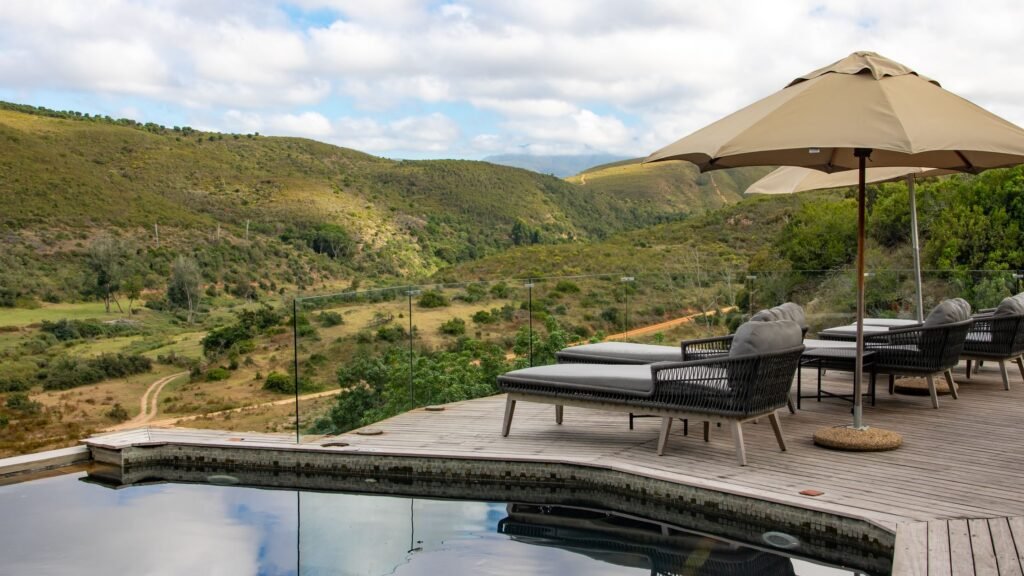
Luxury safari lodge planning is easier when you break the trip into four buyer decisions before you ever compare nightly rates. First, choose the right safari region for the wildlife and pace you want. Next, choose the lodge style and room type that fit how you actually travel. Then line up transfers and baggage rules, because safari logistics shape the whole experience. Finally, choose your season with a clear view of game viewing, light, crowds, and value.
That order matters. Many travelers start with dream-lodge photos and only later discover that the most scenic suite requires a bush flight with a soft-bag limit, or that the most talked-about camp sits in a season that does not match their wildlife goals. So this guide treats luxury safari lodge planning as a booking workflow, not a mood board. You will compare rooms, guides, transfers, and seasons in the order that helps affluent travelers shortlist better options and avoid expensive mismatches.
Luxury safari lodge planning: quick answer
- Start with the safari region, because wildlife style and transfer logic vary more by geography than by brand name.
- Pick the room after you decide how private, social, or family-friendly the stay should feel.
- Ask how guides, trackers, vehicles, and walking safaris are structured before you compare rates.
- Check bush-flight baggage rules early. Soft-sided luggage and roughly 20 kg limits are common on light-aircraft circuits.
- Dry-season safari is not always the best buy. Green-season and shoulder-season stays can work better for value, birds, and quieter camps.
- The smartest safari upgrade is usually the one that improves privacy, guiding, or transfer ease every day, not just at arrival.
The strongest luxury safari lodge planning approach is simple: choose the landscape first, then the lodge, then the room, then the extras.
Free download: Luxury Trip Planning Checklist
Shortlist premium stays faster with a calm, high-signal checklist.
What does luxury safari lodge planning really mean?
It means comparing the whole safari system before you pay a deposit. Unlike a city hotel stay, a safari lodge is tied to game-drive rhythm, conservation rules, road or air access, guide structure, and seasonal wildlife movement. Therefore, a lodge cannot be judged by suite finishes alone. The room matters, yet the setting, access, and guiding model matter just as much.
Singita frames this clearly on its official collection page, where it emphasizes limited guest numbers, privacy, and lodges positioned in some of Africa’s most sought-after wilderness areas. That language highlights the core reality of a premium safari: you are buying space, access, and time in a protected landscape, not just a beautiful room. Likewise, &Beyond’s safari cost explainer notes that safari pricing is often driven by low-density tourism, remote concessions, and fly-in access. So when you plan well, you are matching that cost structure to the kind of trip you actually want.
Because of that, this guide focuses on buyer-intent questions. What should you book first? Which room type changes the stay? When does a private guide matter? Which transfer model is easiest? When is dry season worth the premium, and when is a greener shoulder trip the better play? Those are the decisions that make luxury safari lodge planning useful instead of aspirational.
Which safari region should you choose first?
Choose the region before the lodge brand. Southern Africa and East Africa can both deliver exceptional luxury safari stays, yet they do not feel the same on the ground. Southern Africa often works well for polished lodge life, private-concession guiding, and fly-in circuits with strong room privacy. East Africa often excels for sweeping landscapes, classic migration drama, and combinations that blend safari with beach time. Neither style is better by default. They simply suit different travelers.
For example, &Beyond’s Sandibe Okavango Safari Lodge page makes it clear that the Okavango Delta is a highly specific product: a private concession, scenic air access, customizable safari vehicles, optional helicopter transfers, and wildlife encounters on foot and by vehicle. That feels very different from a migration-led East Africa circuit where the emotional center may be timing river crossings or combining several parks by road and small plane.
So begin by choosing the answer that sounds most like your trip:
- Private-concession style safari: best for travelers who want a lodge-led rhythm, lower guest density, easier privacy, and premium guiding depth.
- Classic migration or plains safari: best for travelers who want iconic wide-open landscapes, famous wildlife spectacles, and a stronger sense of moving through a safari circuit.
- Delta or water-linked safari: best for travelers who want variety, including game drives, scenic flights, water views, and sometimes boat or mokoro elements.
- Bush plus beach split: best for couples and milestone travelers who want safari intensity followed by rest, spa time, and easier dining rhythm.
In other words, do not ask, “Which lodge is most luxurious?” Ask, “Which region makes the room, guide, and transfer style I want feel natural?”
How should you choose the right lodge style and room type?
Room selection is one of the most important parts of luxury safari lodge planning, because safari days begin early and end early. That means you will use the room differently than on a city break. Dawn coffee, a midday reset, a quick shower before sundowners, and an earlier bedtime are normal. Therefore, layout, deck privacy, shade, and family configuration matter more than raw glamour alone.
&Beyond’s Ngala Safari Lodge accommodation page is a good example of what to compare. It distinguishes between standard cottages, family cottages, a family villa with a dedicated guide, tracker, butler, and safari vehicle, and even a treehouse sleep-out add-on. That tells you several things quickly. First, the lodge is not selling one vague room ladder. Second, different room types are built around different travel styles. Third, privacy and guiding depth can change with room choice, not only with the lodge name.
Which room features matter most on safari?
| Room style | Usually best for | Main strengths | Main watch-outs |
|---|---|---|---|
| Classic lodge suite or cottage | Couples, first-time safari guests, short celebratory stays | Easy lodge access, polished comfort, simpler pricing | Less privacy than a villa; guiding may be shared |
| Tented suite | Travelers who want atmosphere and immersion with luxury finishes | Strong safari mood, great soundscape, memorable deck time | Temperature swings and storage may be less urban-hotel-like |
| Family cottage or interleading rooms | Families with children or teens | Better sleeping logic, easier supervision, social flexibility | Can sell out fast in school-holiday periods |
| Private villa or family villa | Multi-generational groups, milestone trips, privacy-first couples | Dedicated guide or vehicle is often possible, deeper service, more outdoor living | Large premium; overkill for travelers who stay out all day |
Also compare what the room actually changes. A larger villa can be worth it when it adds real privacy, a better plunge pool, a more usable deck, or a dedicated vehicle structure. However, a higher room tier can be a weak buy when it only adds indoor square footage you will barely use between drives. That is why many experienced safari buyers spend first on guiding and privacy, then on room size.
When does a villa beat a standard premium suite?
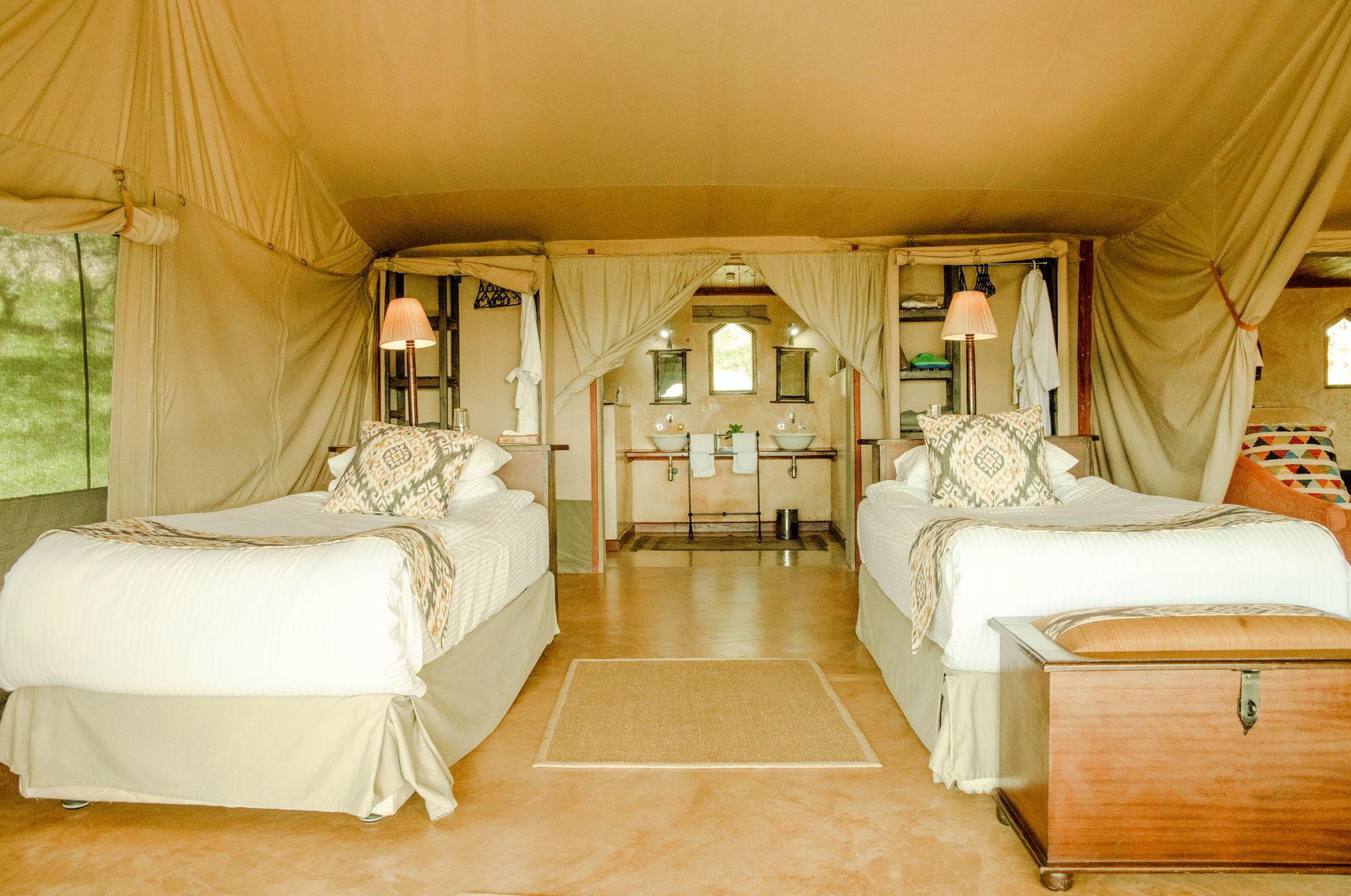
Photo source: Entumoto Safari Camp via Pexels. Licensed for free use under Pexels terms.
Choose the room tier that matches how you travel
- Book the standard premium suite when you want the full safari feel, but not total seclusion.
- Move up to the larger private villa when you want space to host your own pace, keep children near, or control guiding more closely.
- Secure family configurations early because interleading and child-friendly premium inventory is limited.
- Add sleep-out or treehouse nights selectively because they are memorable, but they should suit your energy level and climate comfort.
How do guides, trackers, and vehicles affect the trip?
Guiding quality is often the biggest hidden variable in luxury safari lodge planning. Two lodges with equally beautiful rooms can feel very different if one has flexible vehicle setups, stronger guide continuity, or better walking-safari options. That is why buyer-intent travelers should ask about guide structure before they worry about décor.
Sandibe’s official page points to customizable safari vehicles and guided walking safaris as part of the product. That matters because vehicle design changes comfort, photography flow, and how intimate the drive feels. Likewise, the presence of an experienced guide and, in some regions, a separate tracker can change how much depth you get from sightings, spoor reading, and off-vehicle moments. In South Africa, some premium private-reserve products are especially strong for tracker-and-guide teamwork. In Delta or migration circuits, the guide’s ecosystem knowledge and timing may matter more than a tracker structure.
Why guide continuity matters more than many first-timers expect
Ask these questions before you compare rates:
- Will you usually keep the same guide for the whole stay?
- Is the vehicle shared, private, or private only for certain villa categories?
- Are walking safaris available, and if so, for what age range and season?
- How many guests typically share a vehicle?
- Is photography support built into the vehicle layout or only available on specialist departures?
These details matter because the safari day is the core of the stay. A slightly smaller room with better guiding often delivers more value than a grander suite with less flexible drives. Therefore, if you have to choose between room size and guide depth, many premium travelers should choose guide depth first.
When should you pay for a private vehicle or dedicated guide?
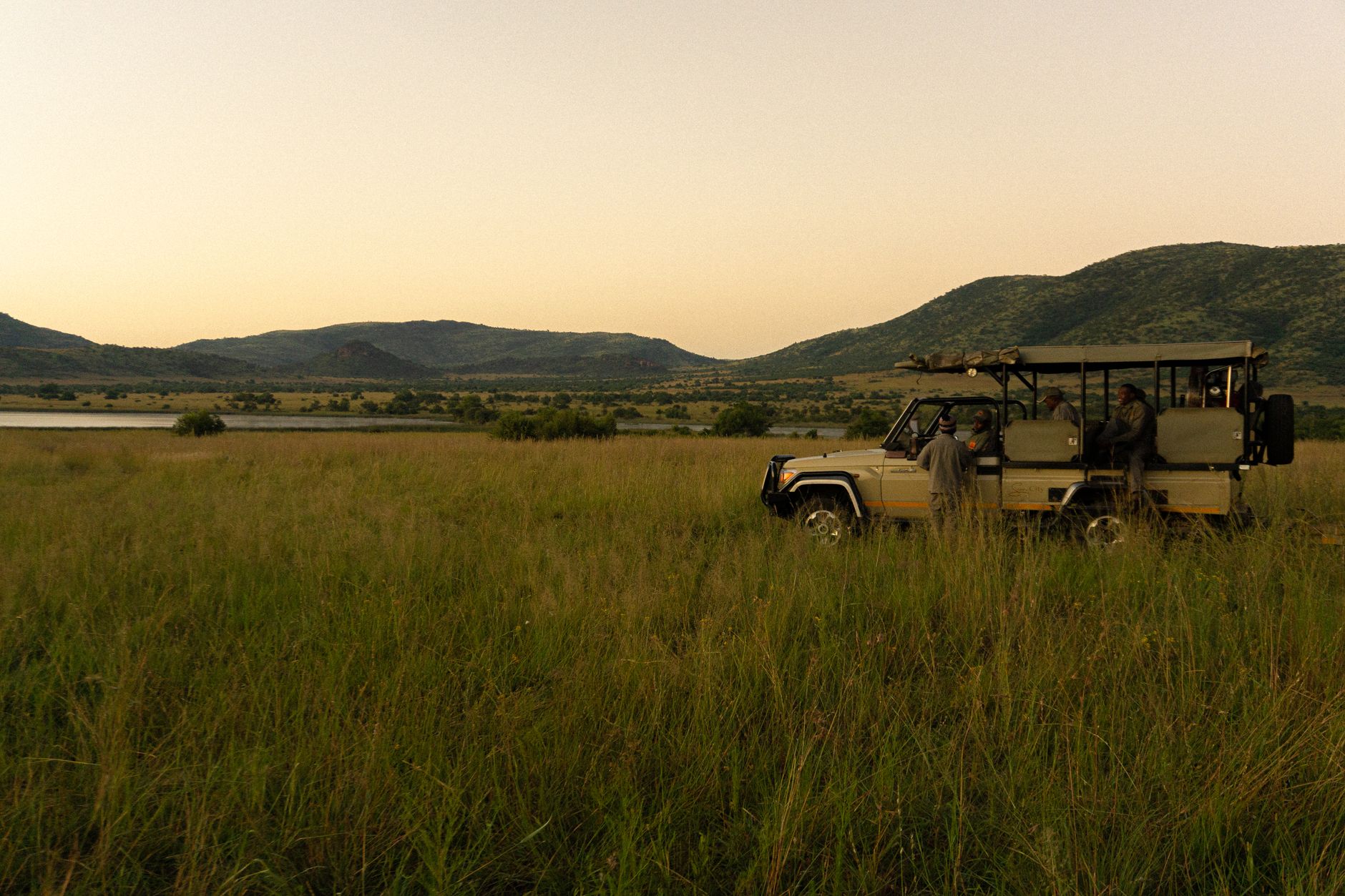
Photo source: Theo Topolevsky via Pexels. Licensed for free use under Pexels terms.
What transfer and baggage rules should you check first?
Transfers can make or break the ease of a luxury safari. They also create the most avoidable friction when travelers discover the rules too late. Wilderness Air states on its official charter-flight page that soft-sided luggage is required in certain circuits, bags must fit strict aircraft dimensions, and the seat-rate luggage allowance is restricted to 20 kg, including hand luggage and camera equipment. That single detail changes how you pack, what suitcase you bring, and whether a multi-country trip needs a city hotel storage stop.
Wilderness’ Botswana planning guide adds the buyer context: most camp-to-camp transfers happen by light aircraft, helicopter transfers may be available in some areas, and seasonal boat transfers can link certain Delta camps. In other words, the lodge room is only one part of the chain. Airstrip handoff, luggage shape, and transfer sequencing deserve attention just as early.
How do fly-in safari rules affect what you pack?
| Transfer type | Best for | Strengths | Trade-offs |
|---|---|---|---|
| Scheduled light-aircraft sector | Most classic fly-in safari circuits | Fast, scenic, efficient use of safari time | Soft-bag rules and tight weight limits are common |
| Private charter flight | Families, groups, tighter timing needs | More control, smoother pacing, stronger privacy | Higher cost, still subject to aircraft and runway limits |
| Helicopter transfer | Premium Delta or scenic add-on travelers | Fastest and most dramatic access in select regions | Extra cost and weather sensitivity |
| Road transfer plus lodge handoff | Kruger-style or road-accessible safari areas | Easier luggage handling, simpler family logistics | Longer journey time and less dramatic arrival |
So ask four practical questions early. First, how do you reach the lodge from the gateway city? Second, what luggage format is required? Third, how many handoffs happen between airport and lodge? Fourth, what does the lodge itself handle versus what must be arranged separately? These are not minor details. They shape how relaxed you feel from the first hour.
Which transfer model fits your safari style?
Transfer questions that save expensive mistakes
- Does the rate include airstrip transfers or only the flight sector?
- Is the aircraft allowance per person, and does it include camera gear?
- Can extra luggage be stored in the gateway city or airline lounge?
- Will families or private-villa guests have a separate transfer rhythm?
- If weather disrupts a scenic transfer, what is the fallback plan?
When is the best season for a luxury safari lodge stay?
The best season depends on what you want to feel, not only what you want to see. Dry-season safari often produces stronger concentration around water and easier game viewing. However, shoulder and green seasons can deliver softer rates, fewer vehicles, dramatic skies, and beautiful birdlife. Therefore, the right season is not universal. It should match your tolerance for heat, dust, rain risk, and crowds.
Wilderness notes that Botswana travelers should prepare for chilly early mornings and evenings and that malaria planning can change with rainy-season conditions. That kind of detail is useful because it reminds you that season affects comfort as much as sightings. Likewise, premium safari buyers should remember that flight schedules, lodge atmosphere, and outdoor deck use all shift with weather patterns.
Use this broad planning split:
- Peak dry season: best for classic big-game concentration, stronger road conditions in many areas, and easier first-time safari confidence.
- Shoulder season: best for travelers who want a balance of wildlife quality, more breathing room, and slightly better buying power.
- Green season: best for repeat travelers, birding interest, greener landscapes, and buyers comfortable with some weather trade-offs.
That does not mean every destination behaves the same way. A Delta lodge, a Kruger private reserve, and a migration circuit all respond differently to season. So rather than chase a one-size-fits-all answer, ask the lodge or operator how the specific month changes three things: wildlife rhythm, transfer ease, and room experience. If the answer is clear, you are planning well.
Luxury safari lodge planning: season-by-season decision guide
This framework helps you choose whether the premium for classic dry-season travel is actually justified for your trip.
A luxury-style decision tree for choosing safari lodge timing based on wildlife priority, transfer ease, privacy, and value.
LUXURY SAFARI LODGE PLANNING DECISION TREE
WILDLIFE FIRST?
GO DRY SEASON
VALUE + SPACE?
SHOULDER WEEKS
GREEN SCENERY?
TRY GREEN SEASON
BOOK EARLY
BEST FOR FIRST
SAFARI TRIPS
SMART BALANCE
BETTER SPACE AND
SOFTER RATE PRESSURE
REPEAT TRAVELERS
BIRDS, GREENERY,
AND FEWER VEHICLES
The point is not to chase the cheapest month. The point is to buy the month that best supports your wildlife goals, room use, and transfer comfort.
How many nights should you book, and what should you book first?
Most luxury safari stays work best when you do not over-compress them. If you have never done a safari before, two or three nights at one lodge can feel elegant but rushed once transfer time is counted. A four- or five-night structure across one or two lodges often feels more complete. That gives you time to settle, absorb the guiding rhythm, and enjoy the room without feeling that every drive must be perfect.
Book in this order:
- Choose the region and gateway city. This determines flight logic and season fit.
- Choose the lodge or two-lodge combination. Lock the safari style before the suite tier.
- Choose the room configuration. Family and villa inventory should be secured early.
- Confirm transfer structure. Light aircraft, baggage rules, and arrival handoffs should be settled before you buy the wrong luggage.
- Add experiences and celebratory extras. Save sleep-outs, helicopter add-ons, or private bush dinners until the core trip is confirmed.
That sequence reduces risk. It also helps you avoid paying for small add-ons before the core safari shape is right. If you are splitting safari with another luxury stay, such as a beach or city stop, protect the safari inventory first. Safari rooms and transfer slots are usually the harder pieces to replace.
What mistakes do travelers make when planning a luxury safari lodge stay?
The biggest mistake is choosing based on aesthetics alone. A beautiful lodge can still be wrong for your trip if the transfer chain is tiring, the region is poorly timed for your goals, or the room tier does not match your privacy needs. Therefore, never let design outrank logistics and guiding.
The second mistake is underestimating luggage and transfer rules. Travelers who arrive with rigid checked suitcases or too much camera gear often discover that the premium safari product still runs on small-aircraft realities. Wilderness states this plainly in its luggage guidance, yet it is still one of the most common points of friction for first-time fly-in buyers.
The third mistake is buying too much room and too little trip structure. A villa can be wonderful. Yet if you only stay two nights and spend most of the time in transit, the premium may not have room to pay off. In many cases, the better use of money is one extra night, a stronger guide setup, or a better-timed season.
- Do not book the lodge before you understand the region and season.
- Do not assume all luxury safari rooms include the same level of guide access or service depth.
- Do not ignore bush-flight baggage rules until the week before departure.
- Do not overpack the itinerary. Safari days are better when you leave breathing room.
What kind of traveler is a luxury safari lodge stay best for?
A luxury safari lodge stay is best for travelers who value low-friction logistics, nature with privacy, and service that feels polished without becoming formal theater. Couples, milestone travelers, parents with older children, and small groups often do very well because the format rewards people who enjoy a slower rhythm and more intentional daily structure.
It is also especially strong for travelers who want a trip that feels rare but not chaotic. A lodge-based safari can be adventurous, yet the best versions feel calm rather than rugged. You wake early, but the lodge anticipates that. You move through remote landscapes, but the service absorbs much of the complexity. That balance is exactly why luxury safari lodge planning is worth doing carefully.
On the other hand, travelers who mainly want nonstop nightlife, constant urban variety, or a new destination every day may find safari lodge pacing too contained. Likewise, travelers who dislike early starts or are uncomfortable with transfer dependence should assess whether a shorter safari paired with another luxury segment would suit them better.
Helpful video for first-time luxury safari lodge planning
This lodge-focused Serengeti video is useful because it shows the pace, room feel, and wildlife proximity that many first-time premium safari travelers are really trying to picture before they book. Use it as a visual primer on stay rhythm, then compare its mood against the lodge and region you are considering.
If the video does not load before cookie consent, use this fallback link instead: watch on YouTube.
More luxury travel guides for planning your trip
- Five-Star Resorts for more premium-stay comparison guides.
- Luxury Itineraries if you are pairing safari with a longer milestone trip.
- Best Luxury Resorts for Honeymoons if you are comparing safari-plus-beach or safari-plus-resort ideas.
- Five-Star Resort Room Categories Explained if room type and upgrade value are central to your shortlist.
FAQ: luxury safari lodge planning questions buyers ask first
How many nights should a first luxury safari lodge stay be?
For many first-time travelers, four to five nights across one or two lodges is more comfortable than a very short two-night sprint. That gives you enough time for transfers, several drives, and meaningful room use.
What matters more, the room or the guide?
Both matter, but the guide often changes the trip more. If you must choose, stronger guiding, vehicle comfort, and smoother logistics usually create more value than a slightly larger room.
Are private villas worth it on safari?
They can be when you want privacy, family flexibility, or a dedicated vehicle structure. They are less compelling when you will be out all day and only use the room as a sleep base.
What is the biggest packing mistake on a fly-in safari?
The biggest mistake is bringing rigid luggage that does not suit light-aircraft rules. Soft-sided bags and disciplined weight planning are far safer choices for many safari circuits.
Is dry season always the best time for a luxury safari lodge stay?
No. Dry season is often the easiest first-time choice for classic game viewing, but shoulder and green seasons can deliver better space, scenery, and buying power when their trade-offs match your goals.
Helpful next step: Before you book, compare location, total cost, cancellation rules, timing, and the practical tradeoffs for this trip.
Affiliate disclosure: Silk Harbor Travel may earn a commission when you use qualifying partner links, at no extra cost to you. Recommendations are chosen for reader usefulness and fit.