
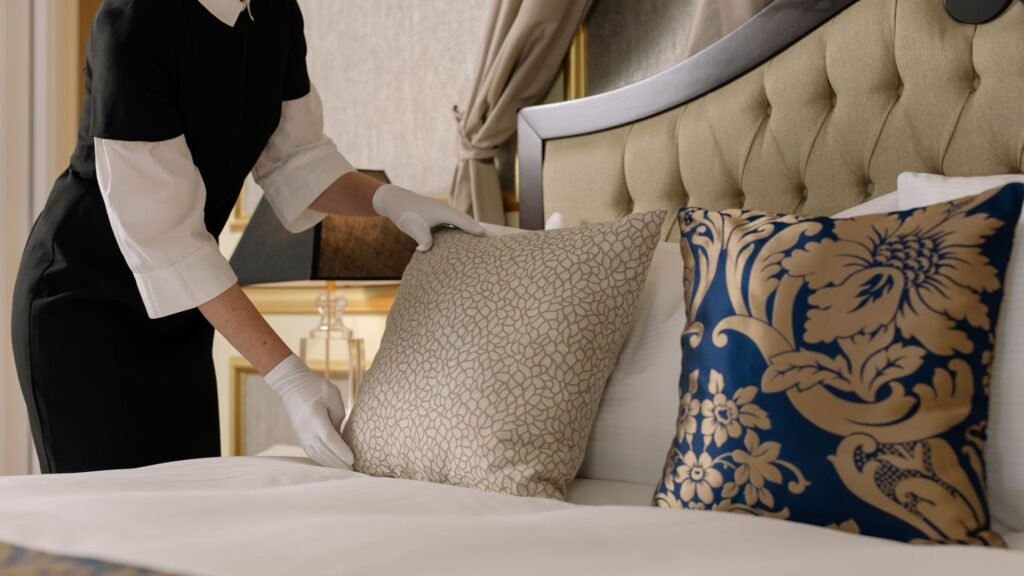
Choosing the best luxury hotel room categories is not about chasing the biggest suite. It is about matching space, privacy, and perks to your trip goals so you reserve exactly what you will use. This decision-first guide shows when to upgrade, when to skip, and how to compare categories across brands and destinations.
Key takeaways before you book
- Suites buy privacy and living space; club floors buy time and quiet. Therefore, pick the upgrade that solves your top pain point.
- For a short city break, a club room is usually the smart move. For a resort week or honeymoon, a suite or villa often wins.
- Connecting rooms can beat a two-bedroom suite for families that want two full baths and a real door between sleepers.
- Views and outdoor space change how you feel in the room. Corner layouts, balconies, and plunge pools add real value on slow itineraries.
- Because policies vary, read lounge rules and suite definitions on the hotel’s site; guest limits and breakfast details differ by brand.
What counts as the best luxury hotel room categories?
First, align names with what you actually get. Brands use different labels, but the structure repeats. Here is how to read the ladder of choices when you compare the best luxury hotel room categories across city hotels and resorts.
| Category | What it typically adds | Best for | Skip if |
|---|---|---|---|
| Deluxe/Signature Room | Better view, higher floor, sometimes larger footprint | Short city stays where you will be out most of the day | You need a work zone, dining table, or extra bed |
| Club/Executive Room | Private lounge access with breakfast, snacks, light evening service | Weekend breaks, business trips, travelers who prize quiet | You want in-room dining space or host friends in private |
| Junior Suite/Studio Suite | Larger open-plan room, sitting area, often one bathroom | Couples or solos who want lounging space without separate rooms | You need a door between sleepers or a second full bath |
| One-Bedroom Suite | Separate bedroom + living room, better seating, larger bathroom | Honeymoons, longer trips, parents with early-sleeping kids | Your days are packed and you will barely use the space |
| Two-Bedroom Suite | Two sleeping rooms, larger living/dining, privacy for groups | Families, two couples, or VIP hosting | You only need one bed and will not host |
| Villa/Bungalow/Casita | Detached or semi-detached, outdoor space, sometimes a pool | Privacy, romance, multi-gen trips, wellness retreats | You prefer a buzzing tower hotel with city energy |
| Overwater Villa/Bungalow | Direct lagoon access, decks, intense privacy and views | Honeymoons and slow-travel resort weeks | You want easy beach access for kids or mobility support |
Brand naming quirks that matter in hotel suite categories
Because names hide rules, always confirm how your hotel defines a standard or premium suite. For example, Marriott Bonvoy’s terms describe what counts as a “Standard Suite” for upgrade awards and vary by property. See the Marriott Bonvoy Terms for definitions and conditions.
Free download: Luxury Trip Planning Checklist
Shortlist premium stays faster with a calm, high-signal checklist.
How to compare the best luxury hotel room categories
Focus on a few high-impact factors. This avoids noise and helps you decide fast between the best luxury hotel room categories while prices are still attractive.
However, compare these factors in order rather than all at once. First, protect sleep quality and privacy because those affect every night of the stay. Next, decide whether extra living space will change how you use the room. Then, weigh lounge access, views, and outdoor space against your actual schedule. Finally, keep one trade-off in mind: a smaller room with the right location can beat a larger suite that adds transfers, noise, or unused space.
- Privacy map: Do you need a real bedroom door, an extra bath, or a guest half bath?
- Daily rhythm: Will you work, nap, or host in the afternoon? If yes, you will use living space.
- Outdoor time: Balconies, daybeds, plunge pools, and terraces add outsized value on slow trips.
- Lounge value: Breakfast, evening bites, a quiet table, and concierge support can remove friction.
- View quality: Corners and high floors increase light and reduce noise. Waterfront and skyline views change the mood.
- Sleep quality: Bed type guarantees, blackout blinds, and soundproofing matter more than décor.
Sleep quality
Privacy (doors, second bath)
Space (seating, table, storage)
Outdoor time (balcony, pool)
Service access (club lounge)
View
Price and value checks for premium room categories
Next, sanity‑check price and value before you pay for an upgrade. Simple math can keep emotion in check and surface the best deal for your trip.
- Price per hour of use: Estimate waking hours you will spend in the room each day. Divide the nightly price difference by those hours. If a one‑bedroom suite costs $300 more and you will use it six hours daily, that is $50 per hour for privacy, a door, and a better bathroom.
- Club room food offset: Add up breakfast for your party, afternoon snacks, soft drinks, and coffee. If that sum approaches the club premium, the lounge can pay for itself on short stays. However, confirm alcohol rules and child policies before you count on evening service.
- Outdoor space vs. daybeds: On resort weeks, compare the terrace value to the cost of renting beach cabanas or daybeds. A private daybed you use daily can beat a lounge you barely visit.
- Work or hosting offset: Compare the price gap to coworking fees or a hotel’s day‑use meeting room. If the suite saves buy‑the‑hour workspace, the larger category may be the smarter buy.
- Choose the first rung: Following the ladder—sleep, privacy, space, outdoor time, service, view—book the first tier that solves a daily need. Anything beyond that is a nice‑to‑have.
| Scenario | Check | Decision signal |
|---|---|---|
| City weekend with early tours | Club premium vs two breakfasts + coffees | Within ~20%? Lounge likely wins |
| Resort honeymoon | Suite premium vs daily terrace/cabana use | Use terrace 3+ hours/day? Suite or villa wins |
| Video calls on a workcation | Suite premium vs coworking/meeting fees | Suite cheaper than workspace? Upgrade |
| Friends’ weekend | Two rooms vs one big studio suite | Two baths needed? Book two rooms |
When to upgrade across the best luxury hotel room categories
Upgrades pay off when they remove friction every day. Therefore, match the category to your itinerary rather than the hotel’s marketing name. The advice below works across brands and regions.
City weekend or business short stay in premium room categories
- Often worth it: Club/Executive room for lounge breakfast, a quiet table, and quick evening service after meetings.
- Sometimes worth it: High‑floor deluxe room with a better view and corner layout.
- Usually skip: Large multi‑room suites unless you will host clients or work from the room several hours a day.
Resort week or honeymoon across luxury suite types
- Often worth it: One‑bedroom suite or villa for privacy, outdoor daybeds, and spa‑like bathrooms.
- Sometimes worth it: Overwater villas when water access is the experience, and you are comfortable with decks and ladders.
- Usually skip: Club rooms if you plan à la carte dining and long days outside the lounge hours.
Family or multi‑gen trip and hotel suite categories
- Often worth it: Two connecting rooms for two full baths and real doors between sleepers.
- Sometimes worth it: Two‑bedroom suites in resorts with kitchenettes for snacks and naps.
- Usually skip: Junior suites that are one open space if you need a door to put kids down early.
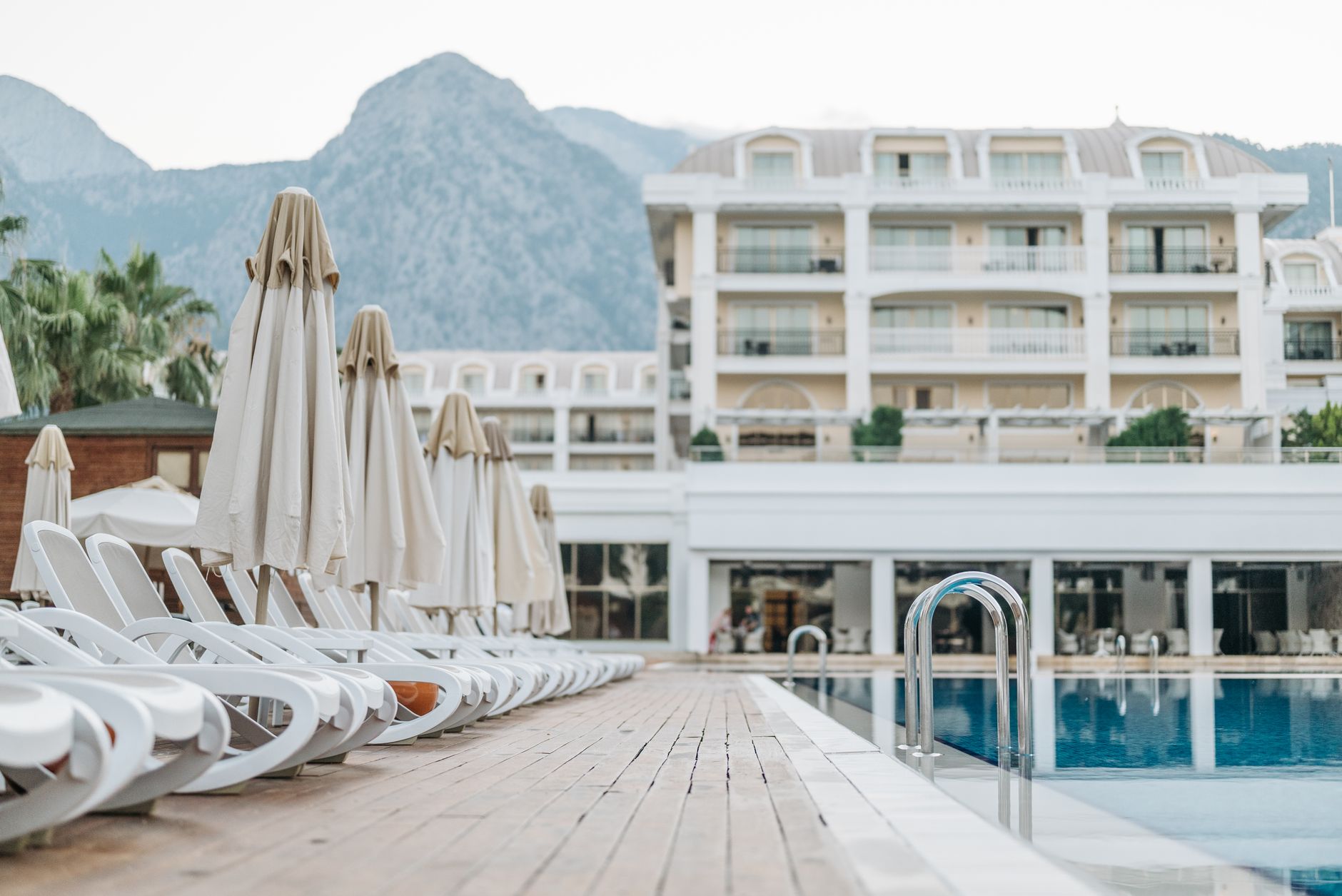
Upgrade value by traveler type in the best luxury hotel room categories
Use this quick matrix to map situations to room choices. It is a fast way to compare the best luxury hotel room categories for your trip style.
| Trip type | High-value choice | Good alternative | Often skip |
|---|---|---|---|
| 48–72 hour city break | Club/Executive room | Corner Deluxe on a high floor | Big multi-room suites |
| Work-from-hotel week | One-bedroom suite for a true desk and door | Large junior suite with defined zones | Standard room in a lively area |
| Honeymoon resort stay | Suite or villa with terrace and soaking tub | Overwater villa if you want direct lagoon access | Club room unless you value lounge quiet |
| Family with early sleepers | Two connecting rooms or a 1BR suite | 2BR suite when budget allows daily use | Junior suite with open plan |
| Friends’ city weekend | Two rooms for two baths | Two-bedroom suite for shared lounge time | One big studio suite |
Club lounge value within premium room categories
Club lounges can be a calm home base and are a strong value on short city stays. However, policies vary, so confirm details on the brand site. For example, Hilton explains that Executive Lounges are operated at many properties but access rules and amenities vary by hotel and elite status; see Hilton’s lounge overview. Similarly, World of Hyatt outlines how Club Lounge Access works for eligible rates and awards; see Hyatt’s policy. InterContinental’s Club InterContinental describes the experience and inclusions at participating hotels; see Club InterContinental.
Therefore, do not assume airport transfers, late checkout, or cocktails are guaranteed. Instead, check the specific property page for the current lounge offer and any guest or dress‑code rules.
Occupancy rules for hotel suite categories
Occupancy limits depend on local rules and safety, not only furniture. Always confirm max guests, bed types, and whether rollaways or sofabeds are available. As a planning baseline:
- Junior/Studio suites usually sleep two, sometimes three with a sofabed or rollaway.
- One‑bedroom suites often sleep three to four with a sofabed in the living room.
- Two‑bedroom suites and villas vary widely and can host four to six, sometimes more, depending on bed mix.
Cribs are typically allowed in addition to listed occupancy, yet rules vary. Because policies can change, confirm by email before you book if you are at the limit.
Where luxury suite types deliver value: city vs resort vs boutique
Not all upgrades are equal across settings. Here is how category value shifts by hotel type.
| Hotel type | Strong upgrades | Usually low value | Notes |
|---|---|---|---|
| Urban luxury tower | Club floor rooms, corner deluxe, 1BR suites | Massive multi-room suites for short stays | Quiet lounge tables can double as a city office. |
| Beach resort | Suites and villas with terraces, plunge pools | Club rooms if you dine around all day | Outdoor living turns room time into vacation time. |
| Boutique heritage hotel | Unique suites with balconies, historic views | “Named” suites priced for fame, not function | Layout can matter more than square footage. |
Accessibility and wellness factors in hotel suite categories
Comfort and safety are part of value. Before you upgrade, consider movement, light, air, and sound. These details can change a stay more than decor.
- Step‑free access: Confirm elevator reach and whether your suite sits on split levels. Some heritage buildings and overwater villas include stairs.
- Bathroom layout: Ask about walk‑in showers, bench seating, and hand‑held sprayers. Grab bars and non‑slip floors vary by property.
- Noise: Corners and higher floors can reduce street noise. Meanwhile, villas near the beach bar may be lively at night.
- Light and shade: Blackout blinds, east/west exposure, and covered terraces affect sleep and mid‑day comfort.
- Scent and air: If you are sensitive to diffusers or cleaning scents, request fragrance‑free preparation in advance.
Because these features vary, verify specifics with the hotel. Many properties maintain accessible suites or can adapt rooms with portable equipment on request.
Seasonality and view tiers in premium room categories
Views, shade, and weather shift the value of an upgrade. As a result, the same category can feel different by season.
- Sun angle and heat: South‑ or west‑facing terraces may be too hot mid‑day in summer without shade. Covered balconies often win in warm months.
- Rain and wind: In monsoon or shoulder seasons, a deep covered terrace can be usable when a small balcony is not.
- Obstructions: Trees, scaffolding, festival stages, or seasonal foliage can alter sightlines. Ask whether the view is “protected.”
- Water conditions: Lagoon clarity, tides, and sargassum vary by month in some regions. A beach‑level room near calm water may beat an overwater villa in certain seasons.
- Night use: City skyline views matter most after dark; request high floors away from nightclub zones.
Booking strategies and upgrade paths for hotel suite categories
After you know what you need, structure your booking to reach it at a fair price. The right sequence—what to lock now and what to request later—saves money and stress.
- Flexible vs. prepay: Flexible rates cost more but let you re‑shop if a better suite or club offer appears. Prepay deals can be great in peak seasons when categories sell out.
- Package logic: Compare “suite with lounge access” or breakfast‑included packages to room‑only + club premiums. Sometimes packages bundle real value.
- Promotions: Look for “third night free” or “stay longer” deals that apply to suites. A free night can offset most of the upgrade premium.
- Points and certificates: Some loyalty programs allow upgrades to standard suites on points or with suite awards. Rules vary by brand and property; check the hotel’s page for how your dates qualify.
- Pre‑arrival offers: Many hotels email paid upgrade offers 1–5 days before arrival. If you are flexible on view, these can be excellent value.
- Split‑stay strategy: In busy cities, book a club room for touring days and move to a suite for a slower weekend. At resorts, do the reverse if you want lounge breakfast before early excursions, then finish in a terrace suite.
- Direct vs. partner booking: Luxury agency or credit‑card programs at many hotels include breakfast and other perks on eligible rates. Verify current terms and availability before you compare.
- Request style: Be clear and polite. State your priority (quiet room, shade, bathtub) and offer trade‑offs (lower floor is fine). Specific, flexible requests are easier to meet.
How we define luxury suite types and premium room categories
Names vary by brand, so use clear checkpoints when you compare luxury suite types, premium room categories, and broader hotel suite categories on real properties:
- Confirm the suite has a physical door between the bedroom and living room.
- Look for a second toilet or a full second bath.
- Verify whether lounge access is included by category or only by status.
- Assess whether outdoor space is private, covered, and usable in your season.
- Ask if the view is protected from construction or seasonal foliage.
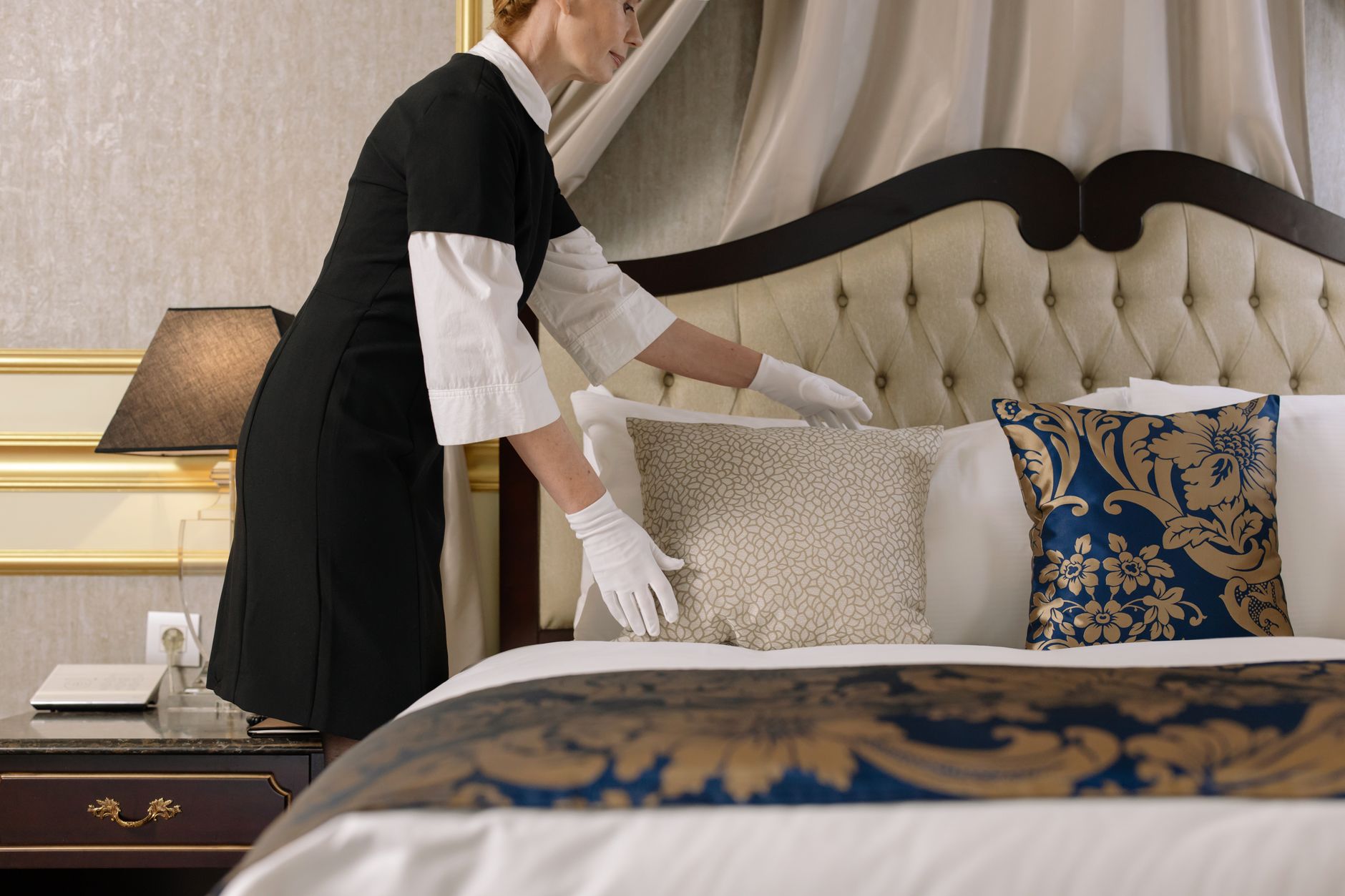
What to book first in premium room categories
Book the category that fixes your core need. Then, use notes and pre‑arrival messages for the nice‑to‑haves.
- Book now: Bed type, view tier, club access, and the suite layout you need to sleep and work well.
- Request later: High floor, early check‑in, feather‑free bedding, cot/crib, or a specific wing after the confirmation arrives.
- Confirm in writing: Connecting rooms, sofa bed setups, and lounge guest policies vary and should be noted on your reservation.
Quick checklist before you press “Reserve”:
- Trip rhythm set (out all day or room time every afternoon)?
- Door count and bathrooms match your party size?
- Outdoor space sized and shaded for your season?
- Lounge hours align with your breakfast and evening timing?
- Cancellation window gives you time to re‑shop if prices drop?
Mistakes to avoid with hotel suite categories
- Chasing names: “Presidential” or “Royal” rarely adds value unless you are hosting.
- Forgetting rhythm: If you will be out all day, you may not use extra seating or a plunge pool.
- Ignoring lounge rules: Some lounges restrict children during evening service. Always check the property page.
- Overlooking bathrooms: A second toilet can matter more than 20 extra square feet.
- Missing outdoor shade: A sunny terrace you cannot use mid‑day is less valuable than a covered balcony.
- Assuming rollaways: Fire codes and room layouts can block extra beds even when there is floor space.
Three example trips—luxury suite types in action
1) Two-night city weekend
You land late Friday, leave Sunday night, and plan to explore all day. A club room on a high floor wins. You get a calm breakfast, an afternoon tea break, and evening bites that save time between sights. A large suite would sit empty.
2) Seven-night resort honeymoon
Upgrade to a one‑bedroom suite or villa with a terrace. Because you will spend hours reading, napping, and dining outside, the privacy and outdoor daybed pay off daily. A club room adds less here if you plan slow lunches and dinners across the resort.
3) Five-night city + work hybrid
Choose a one‑bedroom suite with a real desk and door. Meetings on video need a separate space. A club lounge can still be helpful for quiet work blocks, but the door matters more than snacks.
Frequently asked questions about luxury suite types
What is the difference between a junior suite and a one-bedroom suite?
A junior suite is usually one open room with a larger sitting area. A one‑bedroom suite adds a real door and a separate living room, which improves privacy for sleep, work, or hosting. Forbes Travel Guide explains common suite terms and how layouts differ; see Forbes Travel Guide on junior suites.
Is a club room upgrade better than a bigger room?
It depends on your trip rhythm. For short city breaks, lounge breakfast, quiet seating, and evening service can be more useful than extra square footage. For resort weeks, space and outdoor living usually beat lounge access.
Do overwater villas suit families?
They are designed for privacy and romance, not easy beach access. Decks, ladders, and water access may be tricky with small children or mobility needs. Beachfront suites or villas near a calm lagoon can be a better fit.
Can connecting rooms beat a two-bedroom suite?
Yes, often. Two bathrooms and a real door between sleepers can be better than one huge space, especially with early bedtimes or mixed morning routines.
How do I verify lounge hours and guest rules?
Check the property website. Brands like Hilton, Hyatt, and InterContinental publish general lounge guidance, yet each hotel sets hours and policies. Because terms can change, confirm with the hotel directly.
Bottom line on the best luxury hotel room categories
You will feel the difference when you pair the right category with your daily rhythm. Focus on sleep quality, privacy, and outdoor time first. Then decide whether service access or a view is the next upgrade to add. With that simple order, you can quickly shortlist the best luxury hotel room categories for your dates and avoid paying for space or perks you will not use.
In addition, treat the booking page as a starting point, not the final answer. Therefore, open the room photos, floorplan, benefits list, and policy notes before you compare rates. If the layout, lounge rules, or cancellation terms are unclear, ask the hotel for confirmation in writing. As a result, the upgrade decision becomes easier to defend after the bill arrives.
More luxury travel guides for planning your trip
- How to plan hotel upgrades without overspending
- Choosing the right resort suite for your itinerary
Source notes: Room and suite terminology varies by hotel. For current policies and definitions, see brand pages including Marriott Bonvoy Terms, Hilton Executive Lounge overview, World of Hyatt Club Lounge Access, and Club InterContinental. For glossary‑style suite distinctions, see Forbes Travel Guide.
Instead of memorizing brand names, compare the best luxury hotel room categories by door count, bathrooms, lounge access, and outdoor space. Then choose the tier you will use every day.
Helpful next step: Before you book, compare location, total cost, cancellation rules, timing, and the practical tradeoffs for this trip.
Affiliate disclosure: Silk Harbor Travel may earn a commission when you use qualifying partner links, at no extra cost to you. Recommendations are chosen for reader usefulness and fit.