
The quick answer on Costa Rica resorts
Costa Rica is not a beach destination with rainforest attached. It is a rainforest destination with coastline on two oceans, and the best trips treat both as the point rather than choosing between them.
Because the country is compact but mountainous, driving times are longer than the map suggests. Therefore most well-built itineraries use two or three bases rather than one, typically pairing a volcano or cloud forest with a Pacific coast stay.
- Pick two regions, not one. Consequently the trip gains contrast without constant packing.
- Costa Rica resorts divide sharply into jungle lodges and beach properties, and they feel entirely different.
- The Pacific northwest has the most reliable dry season and the densest luxury development.
- Wildlife is the differentiator. Lodges with their own reserves deliver it from the balcony.
- Internal flights save hours and cost less than most travellers assume.
Affiliate disclosure: Some links in this guide are affiliate links. If you book through them, Silk Harbor Travel may earn a commission at no extra cost to you, and it does not change what we recommend.

Free download: Luxury Trip Planning Checklist
Shortlist premium stays faster with a calm, high-signal checklist.
Understanding the regions
Guanacaste, in the Pacific northwest, is the driest and most developed. Because it has an international airport at Liberia and a long dry season, it holds the greatest concentration of large beach resorts and golf. However, the landscape is tropical dry forest rather than rainforest, so it browns noticeably in February and March.
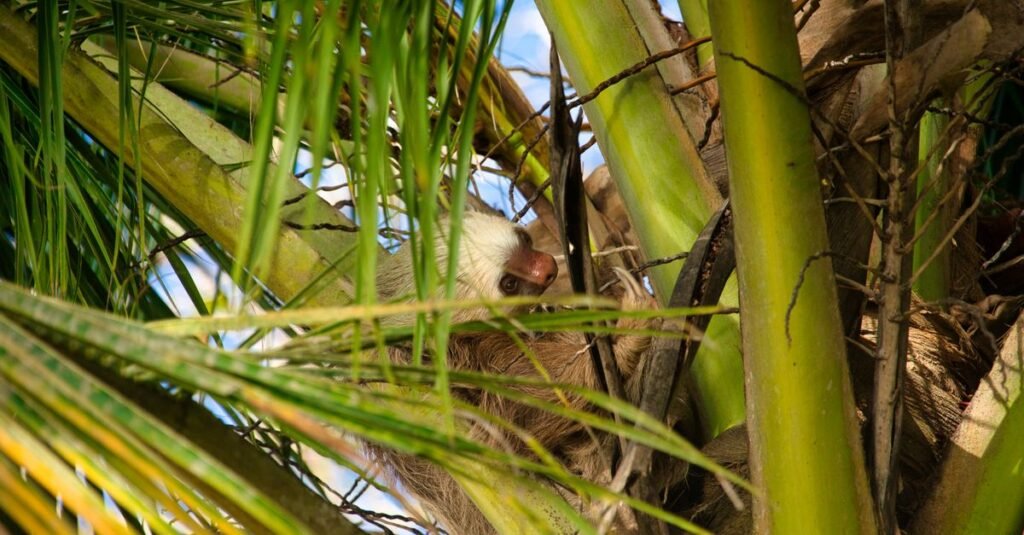
The Central Pacific around Manuel Antonio puts rainforest directly against the beach. Consequently it is the easiest place to see monkeys and sloths without a dedicated excursion, and it suits travellers who want both halves of the country in one base.
The Osa Peninsula in the far south is the wildest. It holds Corcovado National Park and some of the most biodiverse forest in the hemisphere. Therefore lodges here are remote, small and expensive, reached by small plane or a long drive.
Arenal, inland, is the volcano and hot springs region. Meanwhile Monteverde is the cloud forest, cooler and misty, reached by winding mountain roads. Both are interior stays rather than beach ones.
The Caribbean coast around Puerto Viejo and Tortuguero is the least developed for luxury. Because rainfall patterns differ from the Pacific side, it has its own best months, and the culture is Afro-Caribbean rather than Central American.
Comparing the regions before you book
The table compares access, landscape and wildlife rather than hotel grades, since those are what actually differ between regions.
| Region | Getting there | Landscape | Wildlife | Best for |
|---|---|---|---|---|
| Guanacaste | Fly into Liberia | Dry forest, long beaches | Moderate, drier habitat | Beach weeks, golf, families |
| Central Pacific | 3 hours from San Jose | Rainforest meeting beach | Excellent and accessible | Combining forest and sea |
| Osa Peninsula | Small plane or long drive | Primary rainforest, remote | Outstanding, the best in country | Serious wildlife, seclusion |
| Arenal | 3 hours from San Jose | Volcano, hot springs, lakes | Good, forest edges | Adventure, thermal springs |
| Monteverde | Winding mountain roads | Cloud forest, cool and misty | Birds, especially quetzals | Birding, hanging bridges |
| Caribbean coast | 4 hours from San Jose | Lowland jungle, dark sand | Turtles, sloths, dolphins | Culture, turtle nesting |
A framework for building a Costa Rica itinerary
Work from how much you want to move and what you want to see, rather than from a hotel shortlist. The framework below produces a two-base itinerary in two questions.
Jungle lodges versus beach resorts
These are two different products sold under one national brand, and travellers sometimes book the wrong one. Because the difference is structural rather than cosmetic, it is worth being clear.
Jungle lodges are small, often fifteen to forty rooms, built into forest with open-sided architecture. Consequently wildlife comes to you, the soundscape is extraordinary, and screens matter more than air conditioning. Meanwhile there is usually no beach and limited choice of restaurant.
Beach resorts are larger, with pools, several restaurants, spas and the facilities luxury travellers expect. Therefore they suit longer stays and families, although the wildlife becomes an excursion rather than an ambient presence.
A third category sits between them: coastal lodges with private reserves, particularly around Manuel Antonio and the Osa. In practice these deliver the best of both, and they are where many well-planned trips spend most nights.
The practical point is that a week entirely in a jungle lodge suits dedicated naturalists, while a week entirely in a Guanacaste beach resort could be almost anywhere tropical. Consequently the combination is what makes the country worth the journey.
Wildlife and what you will realistically see
Costa Rica genuinely delivers, but expectations need calibrating. Because the forest is dense, sightings depend heavily on guides and on habitat rather than on luck.
Sloths, howler and capuchin monkeys, toucans, scarlet macaws, coatis and iguanas are all commonly seen in the right regions. Meanwhile tapirs, jaguars and ocelots are present but rarely encountered by visitors.
A guided walk with a naturalist is the single best investment of the trip. Therefore budget for at least two, because a guide with a scope finds in twenty minutes what you would miss in a week.
Timing matters more than most people realise. Dawn and dusk are when the forest is active, so a lodge that lets you walk at six in the morning beats one that requires a drive to a park gate.
Turtle nesting is seasonal and location-specific: Tortuguero on the Caribbean for green turtles broadly July to October, and Pacific beaches for olive ridley arribadas at various points in the wet season. Consequently if turtles are the goal, the dates drive the itinerary.
What a stay at Costa Rica resorts costs
Treat these as planning bands. Costa Rica is not a cheap destination at the luxury end, and the remote lodges are the most expensive per night of anywhere in the country.
Guanacaste beach resorts span a wide range, with the large international properties sitting below comparable Caribbean rates. Meanwhile Osa Peninsula lodges, which are small and logistically difficult to supply, command high nightly figures.
Meal plans vary by category. Remote lodges are usually full board because there is nowhere else to eat, and that is appropriate rather than a markup. Beach resorts are typically room-only or breakfast-included, since restaurants are reachable.
Guided excursions are the recurring cost and the one worth paying. A half-day guided walk, a rafting trip or a night walk each add up across a week, so include them in the budget from the start.
Finally, internal flights deserve pricing rather than dismissing. Because a one-hour flight can replace a six-hour drive, the per-person cost is often justified on a short trip.

When to book Costa Rica resorts
The Pacific dry season runs roughly December to April. Skies are clear, roads are easy and wildlife concentrates around water sources. Therefore this is peak season, and Christmas through Easter carries the highest rates.
The green season runs May to November. Mornings are often bright with afternoon downpours, the landscape is lush, and rates drop substantially. Consequently many experienced visitors prefer it.
September and October are the wettest on the Pacific and the driest on the Caribbean. So if you want the Caribbean coast, those months invert the usual advice.
For wildlife, the green season is arguably better. Because the forest is more active and birds are breeding, sightings can improve even though walking conditions are muddier.
The shoulder weeks in late April, May and late November tend to give the best balance of weather, price and activity. Meanwhile February and March are reliably dry but see Guanacaste at its brownest.
Getting around between Costa Rica resorts
Roads are the main constraint. Although distances look short, mountain routes, single-lane bridges and unpaved sections mean average speeds are low. Therefore plan on roughly half the daily distance you would cover elsewhere.
Private transfers with a driver are the comfortable default and remove navigation stress. Shared shuttles are considerably cheaper and work well between the main tourist hubs.
Self-driving is popular and perfectly feasible, with a four-wheel drive strongly advised outside the main highways. Consequently many travellers drive the Pacific coast and fly to the Osa.
Domestic flights on small aircraft link San Jose with Liberia, Quepos, Drake Bay, Puerto Jimenez, Tortuguero and Tamarindo. Because baggage allowances are tight on those aircraft, pack accordingly.
One practical note: arriving into San Jose late and driving onward the same day is a common mistake. So build a San Jose or Alajuela night into the start if your flight lands after mid-afternoon.
Sustainability and why it matters here
Costa Rica built its tourism identity on conservation, and at the luxury end that claim is often genuine rather than decorative. Because the country protects a substantial share of its territory, lodges frequently sit inside or beside private reserves.
The national Certification for Sustainable Tourism programme grades properties, and the rating is publicly checkable rather than self-declared. Therefore it is a more reliable signal than marketing language.
Practical markers worth looking for include on-site water treatment, meaningful local employment, reforestation of former pasture, and genuine restrictions on wildlife interaction.
Be sceptical of any property offering close contact with wild animals. Reputable lodges keep distance, prohibit feeding and brief guests accordingly, and that discipline is a quality signal in itself.
Finally, several lodges fund research or reserve purchase directly from room revenue. Consequently where you stay has more effect here than in most destinations, which is a reasonable thing to weigh.
Families at Costa Rica resorts
The country works well for families, and the reason is engagement rather than facilities. Because wildlife, zip lines, rafting and volcanoes are genuinely interesting to children, boredom is rarely the problem.
Guanacaste holds most of the large family resorts with kids’ clubs, pools and shallow beaches. Meanwhile Manuel Antonio suits families who want wildlife without remoteness.
Remote Osa lodges are less suitable for young children, since several have minimum age limits and the logistics are demanding. Therefore check policies before planning.
Age matters for activities. Zip lines, rafting and canyoning all carry minimums, typically from around six to twelve depending on the operator. Consequently confirm before promising an itinerary to a child.
Practical notes: mosquito protection is genuine rather than optional in lowland areas, and Pacific rip currents are significant on several beaches. So choose a resort with a protected swimming bay if small children are swimming daily.
Food and local character
Costa Rican cooking is simple and fresh rather than elaborate. Casado, gallo pinto, ceviche and fresh fruit are the staples, and the coffee is genuinely excellent.
At the luxury end, hotel kitchens increasingly work with local producers, and several lodges grow a meaningful share of what they serve. Therefore farm tours and cooking classes are common and better than the usual resort activity.
Outside the resorts, the soda is the thing to seek: a small family restaurant serving a set lunch at a fraction of hotel prices. Consequently a few meals out improve both the budget and the trip.
Coffee and cacao tours are widespread and worthwhile, particularly in the Central Valley and around Monteverde. Meanwhile craft beer has grown considerably in the main towns.
One practical point: alcohol is comparatively expensive because of import duties, so wine lists at lodges run high. In practice local beer and guaro cocktails are the sensible choices.
Booking Costa Rica resorts without the common errors
First, build a two-base itinerary rather than three or four. Because transfers consume half-days, a four-stop week leaves you packing rather than looking.
Second, confirm what “rainforest view” means at a beach resort. Several Guanacaste properties sit in dry forest, which is a different and browner landscape in February and March.
Third, book guided walks in advance at the small lodges. Naturalist guides are finite, and the best ones are taken days ahead in high season.
Fourth, price an internal flight against every long drive. A one-hour flight that replaces six hours of mountain road is usually worth it on a trip of a week or less.
Finally, verify entry requirements, any vaccination guidance and your insurance position on adventure activities, since zip lining and rafting are excluded from some standard policies.
Room design at Costa Rica resorts
Architecture here diverges from the usual luxury template, and understanding why helps you choose. Because the climate is humid and the wildlife is the attraction, many properties deliberately open rooms to the outside.
Open-sided rooms, with screened walls or no walls at all on one side, are common at jungle lodges. Consequently you hear howler monkeys at dawn and insects at night, which some travellers find magical and others find sleepless.
Air conditioning is not universal at lodges, and its absence is often a design choice rather than a cost saving. Therefore if you sleep poorly in warmth, confirm it explicitly rather than assuming.
Beach resorts in Guanacaste follow more conventional patterns: sealed rooms, full climate control, balconies and pools. Meanwhile several coastal lodges split the difference with sealed bedrooms and open living areas.
Private plunge pools are widespread at the better Costa Rica resorts, and they matter more here than in beach destinations because many lodges have no swimmable water nearby. So on an inland stay, a pool is a genuine utility rather than a luxury.
Adventure activities and what they cost
Adventure is the other half of the country’s appeal, and the quality of operators varies. Because safety standards differ, booking through your hotel is usually the sensible route.
Zip lining originated commercially here, and the canopy tours around Monteverde and Arenal remain the best. Consequently prices are higher than copies elsewhere, and the engineering is better.
White water rafting on the Pacuare and Sarapiqui rivers is genuinely good, with grades to suit families or experienced paddlers. Meanwhile canyoning, horse riding and night walks fill out most lodge activity menus.
Surfing is a serious draw on both coasts, with Guanacaste and the Nicoya Peninsula holding the best-known breaks. Therefore several beach resorts run their own schools with equipment included.
Hot springs around Arenal deserve a mention. Because they are naturally heated by the volcano, several resorts have built elaborate thermal gardens, and a day pass is available even to non-guests.
Combining Costa Rica with neighbours
Travellers with longer trips often add a second country, and the connections are straightforward. Because San Jose and Liberia both have regional links, two-country itineraries work well.
Panama is the most common addition, with Bocas del Toro reachable overland from the Caribbean coast and Panama City a short flight. Consequently a canal-and-rainforest pairing is popular.
Nicaragua borders Guanacaste directly, and Granada plus Ometepe make a contrasting cultural addition. Meanwhile Belize suits divers who want reef after rainforest.
However, two-country trips need ten nights minimum to avoid feeling rushed. Therefore travellers with a week are better served going deeper into Costa Rica than broader across the isthmus.
One practical note: overland border crossings are slow and paperwork-heavy. So budget most of a day, or fly, if a border is part of the plan.
Spas and wellness at Costa Rica resorts
Wellness has become a genuine strength, and the setting does most of the work. Because treatment rooms frequently sit open to forest or ocean, the ambient experience exceeds what the facility list suggests.
Treatment menus draw on local ingredients: volcanic mud around Arenal, coffee and cacao scrubs in the Central Valley, and coconut and papaya on the coasts. Therefore the regional variation is real rather than cosmetic branding.
Several properties build around thermal water, particularly in the Arenal area where naturally heated springs feed multiple pools at different temperatures. Consequently a thermal circuit there is a half-day rather than a quick dip.
Yoga is widespread and usually included, often on a deck above forest canopy at dawn. Meanwhile dedicated wellness retreats operate on the Nicoya Peninsula, which is one of the world’s recognised longevity regions.
Prices sit below comparable Caribbean or island-resort spas, which makes treatments better value here than in many destinations. So travellers who normally skip the spa on cost grounds may find it worth reconsidering.
Mistakes that cost people the trip they wanted
- Booking a week in a Guanacaste beach resort and never seeing rainforest at all.
- Planning four bases in seven nights and spending half the trip in transit.
- Arriving into San Jose at night and attempting a long onward drive the same day.
- Visiting the Caribbean coast in September expecting the Pacific dry season.
- Skipping guided walks and then reporting that they saw very little wildlife.
- Assuming a standard travel policy covers zip lining, rafting and canyoning.
Frequently asked questions about Costa Rica resorts
Should I stay on the beach or in the rainforest?
Both, if you have a week or more. The usual structure pairs one inland or rainforest base with one coastal base, which gives the contrast that makes the country worth the journey. A single beach base risks a holiday that could have been almost anywhere tropical.
When is the best time to visit Costa Rica?
December to April is the Pacific dry season and the easiest for travel, though it is peak priced. May to November is the green season with bright mornings and afternoon rain, lower rates and arguably better wildlife activity. The Caribbean coast inverts this, being driest around September and October.
How many nights do I need?
Seven nights is the practical minimum for two bases, and ten is noticeably more comfortable. Shorter trips work only if you stay in one region, in which case the Central Pacific around Manuel Antonio gives the most variety for the time.
Do I need a four-wheel drive?
If you are self-driving beyond the main highways, yes. Many lodge access roads are unpaved, and river crossings exist in places. Travellers using private transfers or shared shuttles do not need to worry about it.
Will I actually see wildlife?
Very likely, provided you hire guides and choose habitat deliberately. Sloths, monkeys, toucans and macaws are commonly seen in the right regions. Big cats and tapirs are present but rarely encountered, so treat those as a bonus rather than an expectation.
Are Costa Rica resorts expensive?
At the luxury end, yes, and the remote Osa lodges are the most expensive per night in the country because of their logistics. Guanacaste beach resorts span a wider range and often undercut comparable Caribbean properties. Guided excursions are the recurring cost worth budgeting for.
Booking Costa Rica: where to start
Once you have settled which area and room category you want, the next step is seeing what is actually open on your dates, because the categories described above sell out first. Compare Costa Rica resorts and room categories on Trip.com
For the excursions mentioned above, booking the well-known ones ahead is usually worth it in high season. Browse Costa Rica tours and day trips on Viator
Because the transfer times above are long and the arrival is the part of the trip most often mishandled, arranging the car before you fly is worth more than it costs. Pre-book a private airport transfer with Welcome Pickups
How this guide was researched
This guide draws on lodge and resort published room categories, meal-plan structures, access arrangements and reserve details across the Guanacaste, Central Pacific, Osa, Arenal, Monteverde and Caribbean regions, compared against each other to identify where the regions genuinely differ.
Seasonal rainfall patterns, the inverted Caribbean season and turtle nesting windows come from published climate and park information rather than individual property marketing, since lodges describe their own months favourably. Entry, health and insurance questions were checked against official sources.
Cost figures appear as relative bands rather than quoted rates, because pricing varies sharply between region, season and meal plan. Nothing here claims first-hand stays at every property named, and where that distinction matters the text states what the source is.
Useful official references: CDC destination health notices for vaccination and health guidance, US State Department international travel pages for entry and safety information, FTC travel guidance on verifying an operator, and the UNESCO World Heritage list, which includes Costa Rica’s Area de Conservacion Guanacaste and Cocos Island.
Comparing nature-led destinations? See our guides to luxury safari lodge planning, family island vacations and Fiji resorts.
Last updated .