
The quick answer on St Lucia resorts
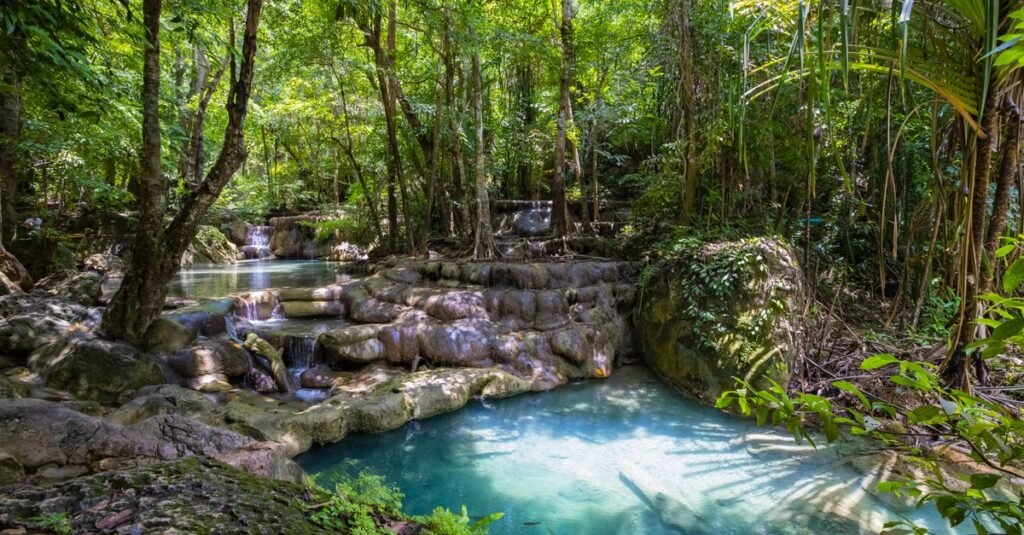
St Lucia is the most dramatic of the mainstream Caribbean islands. Because it is volcanic and mountainous rather than flat and coral-ringed, the scenery does work that other islands cannot match.
The island divides into three practical areas. The north around Rodney Bay is developed, flat and convenient. The west coast between Marigot and Soufriere is the scenic middle. Meanwhile the south around the Pitons holds the most spectacular and most expensive properties.
- Choose north or south first. Therefore the shortlist of St Lucia resorts narrows sharply.
- Almost all luxury development sits on the sheltered west coast. The Atlantic east coast is wild and barely built.
- Beaches are mostly volcanic grey or golden rather than white, which surprises first-time visitors.
- The island is steep, so transfer times are long and many resorts involve steps or buggies.
- December to April is the dry season. Hurricane season runs June to November, peaking in September.
Affiliate disclosure: Some links in this guide are affiliate links. If you book through them, Silk Harbor Travel may earn a commission at no extra cost to you, and it does not change what we recommend.

Free download: Luxury Trip Planning Checklist
Shortlist premium stays faster with a calm, high-signal checklist.
Choosing your area for St Lucia resorts
The north around Rodney Bay, Gros Islet and Cap Estate is the flattest and most convenient part of the island. Because it is close to the smaller regional airport and has restaurants, marinas and shops at street level, it suits travellers who want independence.
Consequently the north also has the best swimming beaches by conventional standards, including Reduit Beach. However, it lacks the dramatic scenery that draws people to St Lucia in the first place.
The central west coast around Marigot Bay and Anse La Raye is the quiet middle. Marigot in particular is a near-enclosed hurricane hole of a bay, strikingly pretty and very sheltered. Therefore it suits travellers wanting calm without total isolation.
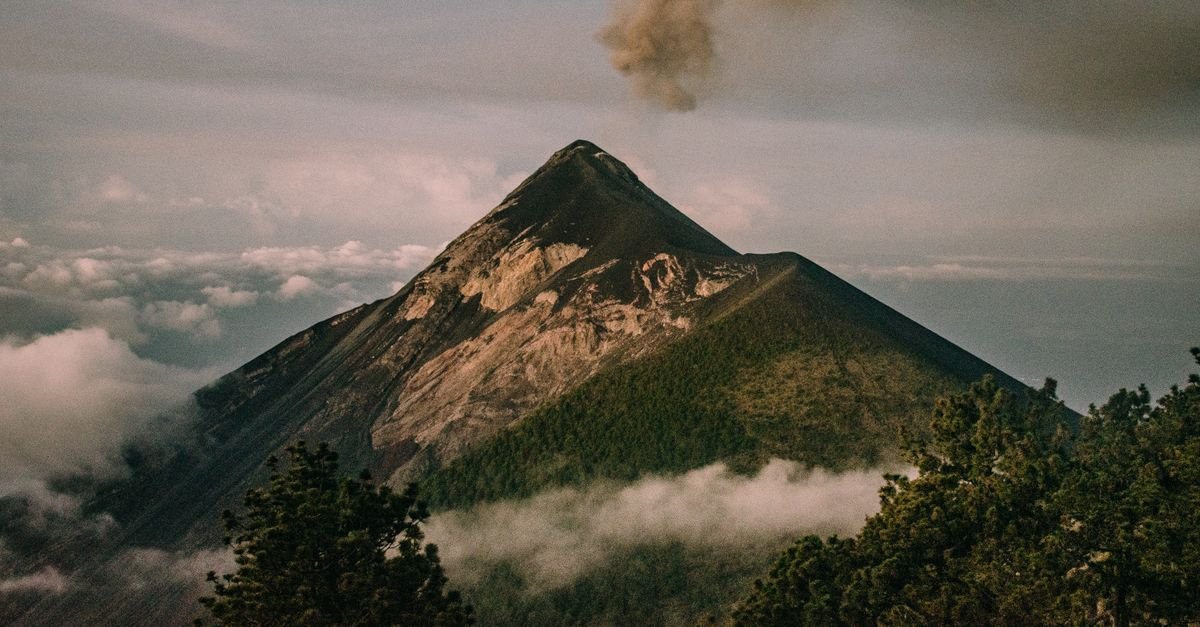
The south around Soufriere and the Pitons is the reason most people come. The twin volcanic peaks rise straight from the sea, and the resorts here have the most extraordinary outlooks in the Caribbean. Meanwhile the trade-off is remoteness and a long transfer from the international airport.
The east coast faces the open Atlantic. It is wild, windy and largely undeveloped for tourism, with the exception of a few properties. So unless you specifically want surf and solitude, the west is where to look.
Comparing the areas before you book St Lucia resorts
The table compares access, scenery and convenience rather than hotel grades, since those are the practical differences.
| Area | Transfer from UVF airport | Scenery | Convenience | Best for |
|---|---|---|---|---|
| North (Rodney Bay) | 75-90 minutes | Pleasant, not dramatic | High, walkable dining | Independence, swimming beaches |
| Marigot Bay | 45-60 minutes | Very pretty sheltered bay | Moderate, some dining | Calm, sailing, quiet |
| Soufriere and Pitons | 30-45 minutes | Spectacular, the island’s best | Low, resort-bound | Honeymoons, scenery, seclusion |
| Castries area | 60-75 minutes | Working harbour, mixed | High, city amenities | Short stays, cruise access |
| East coast | 40-60 minutes | Wild Atlantic | Very low | Surfing, solitude |
A framework for choosing St Lucia resorts
Start from whether scenery or convenience matters more, because on this island you genuinely trade one against the other. The framework below settles it in two questions.
Beaches near St Lucia resorts, and managing expectations
This is where St Lucia differs from the postcard Caribbean, and it is worth being direct. Because the island is volcanic, many beaches are grey, dark gold or brown rather than powder white.
Several of the best-known beaches in the south, including those at the foot of the Pitons, are volcanic sand. Consequently travellers expecting Turks and Caicos whiteness are sometimes disappointed, even though the setting is far more dramatic.
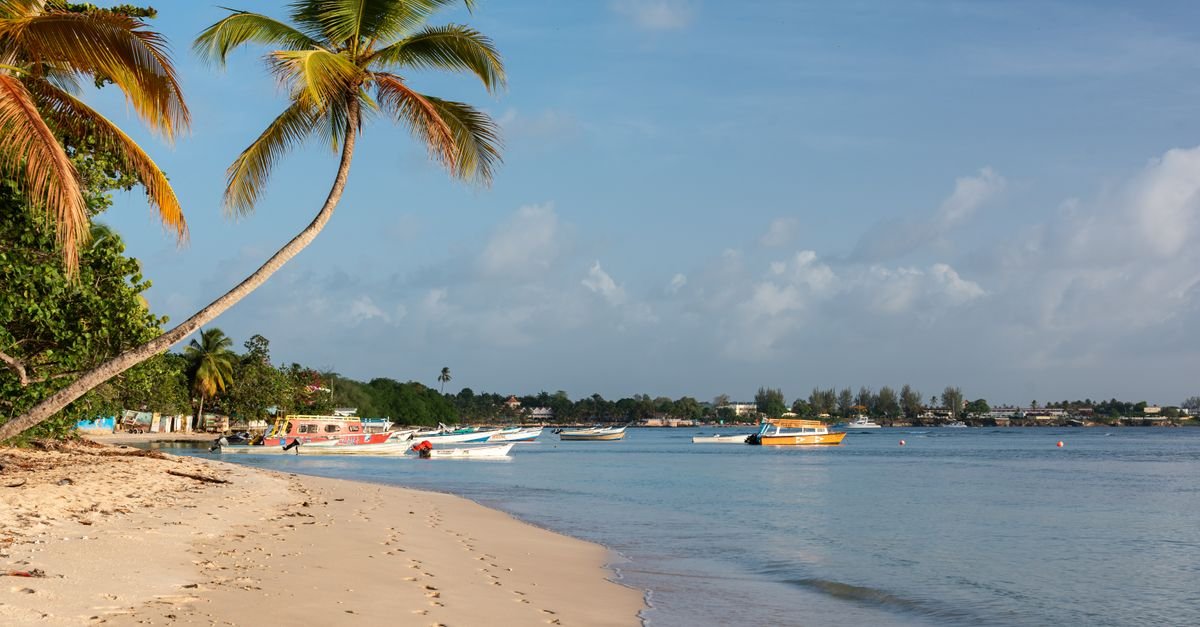
The north has the more conventional beaches. Reduit Beach at Rodney Bay is long, golden and genuinely good for swimming, while several northern resorts have imported or managed sand.
Some southern resorts have brought in pale sand to improve their frontage. Therefore if beach colour matters to you, ask directly and look at recent guest photographs rather than brochure images.
Swimming conditions are generally calm on the west coast, since it faces the sheltered Caribbean. Meanwhile the Atlantic east coast has genuine surf and strong currents, so swimming there is for the experienced.
Room categories at St Lucia resorts and the Piton view premium
At most St Lucia resorts the view is the product, and the categories reflect that bluntly. Because the hillsides are steep, almost every property is terraced and sells outlook by level.
Garden and mountain-view rooms sit at the entry point. Consequently they are the best value, and they are often cooler because they are shaded. For travellers out all day they are perfectly sensible.
Ocean-view rooms carry a moderate premium. Meanwhile Piton-view rooms in the south carry a substantial one, and at a handful of properties the price difference between a side view and a full Piton outlook is dramatic.
Several southern resorts have open-walled rooms with no fourth wall, which is their signature. They are extraordinary and they are not for everyone, since insects, weather and privacy all behave differently without glass.
Plunge pools are widespread and matter here, because some southern resorts have no swimmable beach of their own. Therefore on a Piton-view stay, a pool is closer to a necessity than a luxury.
All-inclusive versus room-only at St Lucia resorts
St Lucia has a strong all-inclusive tradition alongside its boutique properties, and the right choice depends entirely on where you stay.
In the remote south, all-inclusive usually makes sense. Because leaving the resort means a winding drive and there are few independent restaurants nearby, you will eat in-house regardless.
In the north the calculation reverses. Rodney Bay has a genuine restaurant scene within walking distance, so an all-inclusive package there wastes one of the area’s main advantages.
Read the inclusions carefully. Some packages cover every restaurant and premium spirits, while others restrict you to a buffet and charge for the speciality venues. Consequently the same label means quite different value.
Marigot Bay sits in between, with a handful of good restaurants around the bay. Therefore half board or breakfast-only often works best there.
What a stay at St Lucia resorts costs
Treat these as planning bands. St Lucia spans a wide range, from mid-market all-inclusives to some of the most expensive rooms in the Caribbean.
The landmark Piton-view properties sit at the top and are priced accordingly in high season. Meanwhile northern all-inclusives and Marigot Bay properties offer considerably more moderate rates for comparable room quality.
Season moves the number more than property choice does. Mid-December to mid-April commands peak pricing, with Christmas and New Year sharply higher. Consequently the same room in June can cost a fraction of its February rate.
Transfers are a genuine cost. Because the international airport sits in the far south and most development is further north, a private transfer to Rodney Bay runs well over an hour. Helicopter transfers existed historically and have been intermittent, so confirm current availability rather than assuming.
Finally, budget for excursions. A Piton hike, a sulphur springs visit, a catamaran day and a rainforest zip line are the four most popular, and they are what distinguish the island from a beach-only destination.
When to go
The dry season runs roughly December to April, with the most reliable weather and the highest rates. Therefore book early for February and March if those dates are fixed.
May, June and late November are the shoulder months. Rainfall increases but remains mostly short and afternoon-based, and rates drop noticeably. Consequently these are the value windows.
Hurricane season officially runs June to November, with the statistical peak in September. Direct strikes in any given year are unlikely, although disruption and heavy rain are more common.
Several resorts close for maintenance in September, which is worth checking rather than discovering. Meanwhile those that stay open discount heavily.
One local note worth planning around: St Lucia Jazz and the Carnival period both bring sharp spikes in demand and price, independent of the broader season.
Things worth doing beyond the resort
The Pitons are the obvious draw, and Gros Piton is the climbable one. Because it is a guided hike of a few hours, it suits reasonably fit walkers rather than serious mountaineers.
The Sulphur Springs at Soufriere are marketed as a drive-in volcano, and the mud baths are genuinely fun if inelegant. Consequently they pair well with a morning Piton hike.
Catamaran day trips along the west coast are the most popular excursion and the best way to see the Pitons from the water. Meanwhile smaller private boats cost more and go where the big catamarans cannot.
The rainforest interior has zip lines, waterfalls and botanical gardens. Therefore a day inland is a genuine change of scene rather than filler.
Finally, the Friday night street party at Gros Islet is a long-standing local institution. It is informal, loud and the least resort-like thing on the island, which is exactly why it is worth going.
Honeymoons and weddings
St Lucia markets itself hard as a honeymoon island, and in the south the setting justifies it. Because the Piton views are genuinely unique, the photographs are unlike anywhere else in the Caribbean.
Several resorts are adults-only, which suits couples wanting quiet. Meanwhile the open-walled rooms in the south are a honeymoon signature, and they book out months ahead in peak season.
Honeymoon packages typically bundle a room upgrade, a private dinner and a couples treatment. The valuable items are the upgrade and the dinner, since both cost substantially separately.
For weddings, the practical considerations are season and access. Therefore the dry months suit outdoor ceremonies, and guest mobility matters because southern resorts are steep.
Documentation requirements for marrying in St Lucia are specific, including residency timing. Consequently verify current rules through official channels rather than relying on a resort summary.
Families at St Lucia resorts
The island works for families, though less automatically than flatter Caribbean destinations. Because many resorts are steep and several are adults-only, the shortlist is shorter than it first appears.
The north is the easier choice. Rodney Bay has flat terrain, good swimming beaches and family-oriented all-inclusives with kids’ clubs.
In the south, a handful of properties cater well to families with dedicated clubs and shallow pools. However, the steep terrain and volcanic beaches make it harder work with toddlers.
Activities suit older children particularly well. Zip lines, snorkelling, the Piton hike and the mud baths all land better with ages eight and up.
Practical notes: confirm whether a resort is adults-only before falling for photographs, and check minimum ages for the open-walled room categories, several of which exclude young children on safety grounds.
Service and food at St Lucia resorts
Service on the island is warm rather than formal, and travellers arriving from Asian luxury hotels sometimes read that as inattentive. In practice the better St Lucia resorts are genuinely friendly and a little unhurried, which is the Caribbean standard rather than a shortfall.
Because many properties are small by international luxury standards, staff recognise guests quickly. Consequently the experience feels personal in a way that larger all-inclusive complexes elsewhere do not match.
The food has improved markedly over the past decade. Creole cooking is the local base, built on green figs and saltfish, callaloo, fresh snapper and the cocoa the island grows itself.
Several southern resorts make a feature of chocolate, since cocoa estates sit on the hillsides nearby. Therefore a cocoa tasting or an estate tour is one of the more distinctive things on offer here.
If dining matters to you, check how many restaurants a property actually runs and whether they rotate. Meanwhile smaller boutique hotels may have a single kitchen, which is excellent for three nights and repetitive for ten.
Spas, wellness and what is worth booking
Spa facilities are strong across the island, and the geothermal setting gives the south a genuine angle. Because the volcanic springs are nearby, sulphur and mineral treatments appear on menus in a way they do not elsewhere in the Caribbean.
The open-air treatment pavilion is the signature format, usually built into the hillside with a view. Consequently the setting does as much as the treatment, and the photographs are the reason people book.
Prices at resort spas are high, as they are at every luxury property. Therefore if you plan several treatments, ask whether a multi-treatment package or an off-peak rate exists before booking individually.
Yoga and movement programmes are common, generally included rather than charged. Meanwhile the steep terrain means many properties have genuinely good walking and running routes, if you can cope with hills.
Diving, sailing and the water around St Lucia resorts
The west coast has good diving, and the area around the Pitons is the headline. Because the volcanic slopes continue underwater, the wall diving close to shore is dramatic and accessible.
Anse Chastanet and the Soufriere marine reserve are the best-known sites, with coral, reef fish and easy shore entry. Therefore the south suits divers better than the north does.
Snorkelling is good in the same reserve and more limited elsewhere, since many beaches shelve into sand rather than reef. Consequently if snorkelling is a priority, that points you south again.
Sailing is a genuine strength. Rodney Bay and Marigot Bay are both significant yachting harbours, and the island is the finishing point for a well-known transatlantic rally each winter.
Day charters run from both marinas, and the coastal sail down to the Pitons is the classic trip. Meanwhile sport fishing operates year-round, with the dorado and wahoo seasons shifting through the winter months.
Getting around the island
Most guests at St Lucia resorts rely on resort transfers and taxis, which is the simplest approach. Because the roads are steep, narrow and winding, driving yourself is more demanding than in flatter destinations.
Hiring a car makes sense in the north, where the terrain is gentler and there is somewhere to drive to. Consequently it makes much less sense in the south, where a single winding road connects everything and parking at hillside resorts is limited.
Driving is on the left, and a local permit requirement has historically applied to visiting drivers. Therefore confirm the current rule with your rental company rather than assuming your home licence is enough.
Water taxis operate along the west coast and are a pleasant alternative to the road between Soufriere and Marigot. Meanwhile the domestic airport at Castries serves regional island-hopping flights rather than long-haul arrivals.
Taxi fares are generally fixed by route rather than metered. So agree the fare before setting off, and ask your resort what the standard rate to your destination should be.
Booking without the common errors
First, decide between scenery and convenience honestly. A Piton-view room is spectacular and remote, and travellers who wanted to walk to restaurants regret it.
Second, ask about beach colour and swimmability explicitly. This is the single most common surprise on the island.
Third, confirm the step and buggy situation. Several southern resorts involve significant level changes between reception, room and sea.
Fourth, match the meal plan to the location: all-inclusive in the remote south, room-only or breakfast in the walkable north.
Finally, verify entry requirements for your nationality, check whether your resort closes in September if you travel then, and confirm your insurance covers hurricane disruption rather than excluding it.
Mistakes that cost people the trip they wanted
- Booking a Piton-view resort and then wanting to walk to restaurants each evening.
- Expecting powder-white sand and arriving at a volcanic grey beach.
- Taking all-inclusive at Rodney Bay and ignoring a genuinely good restaurant scene.
- Choosing an open-walled room without considering insects, rain and privacy.
- Booking September without checking whether the resort closes for maintenance.
- Underestimating the transfer from the southern international airport to a northern resort.
Frequently asked questions about St Lucia resorts
North or south: which part of St Lucia should I stay in?
South around Soufriere for the Piton scenery and seclusion, north around Rodney Bay for flat terrain, better swimming beaches and walkable restaurants. Marigot Bay sits between the two, sheltered and pretty with a few dining options. The trade-off is genuinely scenery against convenience.
Are St Lucia’s beaches white sand?
Mostly not. The island is volcanic, so many beaches are grey, dark gold or brown, particularly in the south. The north has more conventional golden beaches, and some southern resorts have imported pale sand for their own frontage. Ask directly if beach colour matters to you.
Is all-inclusive worth it in St Lucia?
In the remote south, usually yes, because there are few independent restaurants within easy reach and you will eat in-house anyway. In the north it is often not, since Rodney Bay has a walkable restaurant scene that an inclusive package would waste.
When is the best time to visit St Lucia?
The winter and early spring months are the dry season, with the most reliable weather and the highest rates at St Lucia resorts. The late spring and late autumn shoulder months offer better value with mostly short afternoon rain. Confirm current hurricane-season dates and any maintenance closures with the resort before booking summer or autumn travel.
How long is the transfer from the airport?
Longer than most people expect. The international airport sits in the far south, so Soufriere is the shortest run, Marigot Bay is moderate, and the northern St Lucia resorts around Rodney Bay are the longest drive on winding coastal roads. Ask your resort for its current transfer time and factor it into arrival and departure days.
Is St Lucia good for families?
Yes, but choose carefully. The north is far easier with young children thanks to flat terrain and better swimming beaches. Several southern resorts are adults-only or have minimum ages for their open-walled rooms, so confirm the policy before booking.
Booking St Lucia: where to start
Once you have settled which area and room category you want, the next step is seeing what is actually open on your dates, because the categories described above sell out first. Compare St Lucia resorts and room categories on Trip.com
For the excursions mentioned above, booking the well-known ones ahead is usually worth it in high season. Browse St Lucia tours and day trips on Viator
Because the transfer times above are long and the arrival is the part of the trip most often mishandled, arranging the car before you fly is worth more than it costs. Pre-book a private airport transfer with Welcome Pickups
How this guide was researched
This guide draws on resort-published room categories, view classifications, meal-plan structures and transfer details across the luxury properties in the north, Marigot Bay and the Soufriere area, compared against each other to find where the terminology hides real differences.
Beach composition, seasonal rainfall and hurricane-season timing come from published geological and climate information rather than individual resort marketing, since properties describe their own frontage and months favourably. Entry, health and insurance questions were checked against official sources.
Cost figures appear as relative bands rather than quoted rates, because St Lucia pricing swings sharply between February and June at the same property. Nothing here claims first-hand stays at every property named, and where that distinction matters the text states what the source is.
Useful official references: CDC destination health notices for pre-trip guidance, US State Department international travel pages for entry and safety information, FTC travel guidance on verifying an operator, and the UNESCO World Heritage list, which includes the Pitons Management Area.
Comparing Caribbean options? See our guides to Caribbean islands to visit, all-inclusive resorts in St Thomas and beach resorts.
Last updated .