
The quick answer on Mauritius resorts
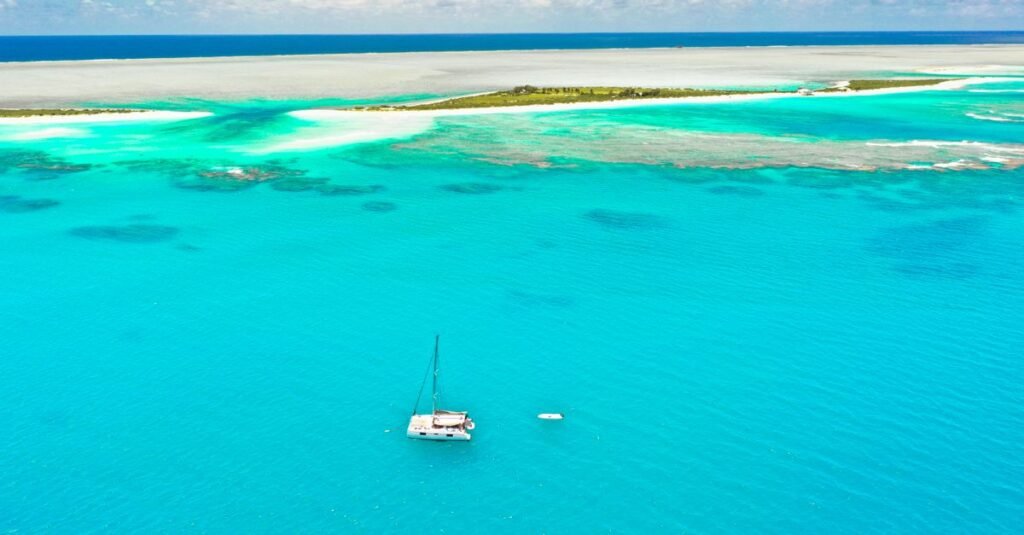
Mauritius is one island, not an archipelago, and it is ringed almost entirely by reef. Because of that, nearly every coast has a sheltered lagoon. However, the coasts differ sharply in wind, water clarity and atmosphere, so where you book matters more than which brand you choose.
The north is lively and sheltered. The west is calm, dry and good for families. The east is windier but has the most dramatic beaches. Meanwhile the south is rugged, less developed and the most scenic.
- Pick the coast first. Therefore the resort shortlist narrows itself.
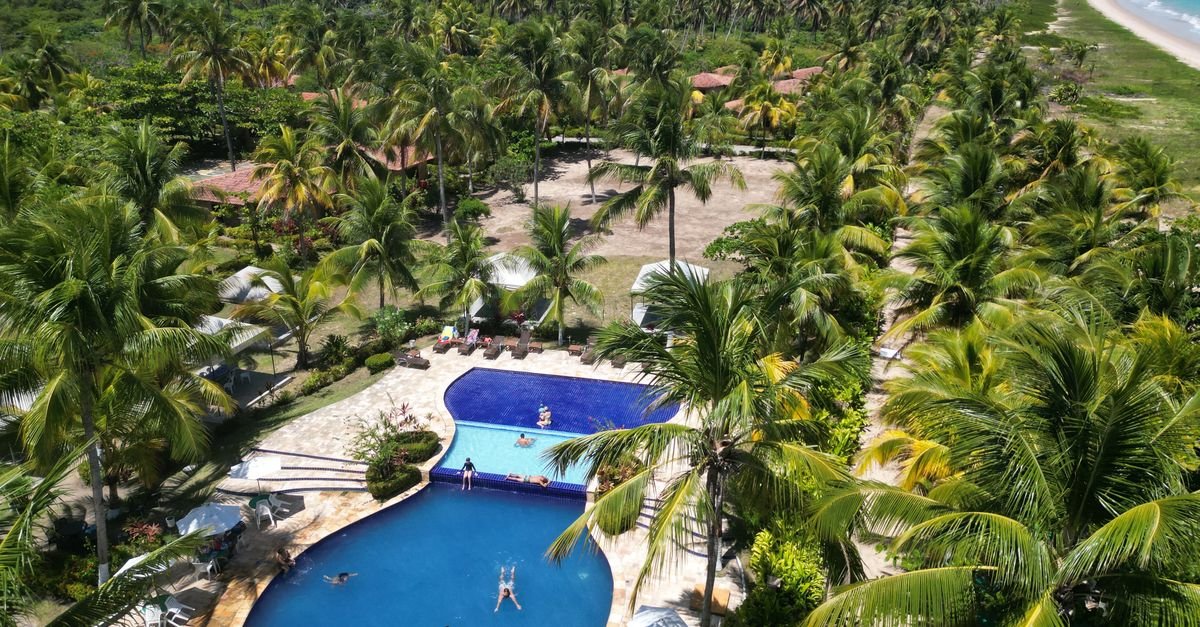
- Mauritius resorts are mostly beachfront and flat, which makes them easier walking than the Seychelles.
- Half-board is common and often worth taking, although the island has genuine restaurants outside resorts.
- The island has real interior attractions, so a car for two or three days pays off.
- Cyclone season runs roughly November to April, with January to March the peak risk window.
Affiliate disclosure: Some links in this guide are affiliate links. If you book through them, Silk Harbor Travel may earn a commission at no extra cost to you, and it does not change what we recommend.
Free download: Luxury Trip Planning Checklist
Shortlist premium stays faster with a calm, high-signal checklist.
Choosing your coast
This is the decision that shapes the week. Because the reef sits at different distances from shore around the island, the lagoon character changes with it.
The north around Grand Baie is the busiest and most sociable. There are shops, restaurants, boat trips and nightlife within easy reach. Consequently it suits travellers who want a resort base but not resort confinement, although it is the least secluded option.
The west around Flic en Flac and Le Morne is drier and calmer, with spectacular sunsets and the island’s best big-game fishing. In practice it is the strongest all-round choice for families, since the lagoon is wide and shallow.
The east around Belle Mare has the widest white beaches and the clearest water. However, the southeast trade winds hit this coast hardest from June to September, so kite and windsurfers love it while sunbathers sometimes do not.
The south around Bel Ombre and Souillac is the least developed and the most dramatic, with cliffs and a thinner reef. Therefore it suits travellers who want scenery and quiet rather than swimming-pool-flat lagoon.
Comparing the coasts before you book
The table below compares what actually differs rather than star ratings, because the hardware at the top end is broadly similar island-wide.
| Coast | Lagoon | Wind | Best for | Watch out for |
|---|---|---|---|---|
| North (Grand Baie) | Sheltered, moderate width | Light year-round | Dining out, boat trips, sociability | Busiest beaches and roads |
| West (Flic en Flac, Le Morne) | Wide and shallow | Calm, driest coast | Families, sunsets, fishing | Can be hot and still in summer |
| East (Belle Mare) | Broad, very clear | Trade winds June to September | Best beaches, watersports | Breezy afternoons in winter |
| South (Bel Ombre, Souillac) | Narrow, thinner reef | Variable, more swell | Scenery, seclusion, golf | Fewer swimming beaches |
A framework for choosing Mauritius resorts
Start from how you want to spend the days rather than from a brand shortlist. The framework below reaches a coast in one question and a resort type in a second.
Room categories and what the premium buys
Because almost all Mauritius resorts are low-rise and beachfront, the category ladder is simpler than on hillier islands. However, the differences still matter.
Garden rooms sit furthest back. Consequently they are the best value, and on a flat property the walk to the sand is short anyway. Therefore they are often the sensible choice for travellers who spend their days out of the room.
Ocean-view and beachfront rooms add outlook and proximity. In practice beachfront matters most at the larger resorts, where garden blocks can be a genuine five-minute walk from the water.
Suites and villas add space, a private pool and sometimes a butler. Although the pool is pleasant, the lagoon is usually warm and swimmable, so a pool adds less here than in destinations with difficult water access.
Finally, several properties run adults-only wings or separate family sections. That distinction affects the atmosphere far more than the room grade does, so ask which section your room sits in.
What a stay at Mauritius resorts costs
Treat all figures as planning bands. Mauritius spans a wider price range than Bora Bora or the Maldives, because the island has everything from guesthouses to top-tier resorts.
At the luxury end, rates sit below comparable Maldivian overwater villas, which is part of the island’s appeal. Meanwhile mid-range beachfront properties are genuinely affordable by Indian Ocean standards.
Meal plans deserve attention. Half-board is the island norm and usually represents real value, since resort dinners are expensive a la carte. However, because Mauritius has a strong independent restaurant scene, full board can trap you indoors unnecessarily.
Transfers are straightforward and cheap by comparison with island-hopping destinations. The airport sits in the southeast, so eastern and southern resorts are closest, while northern resorts are around an hour away.
Finally, budget for a car for two or three days plus two or three excursions. The interior is the thing most visitors underrate, and it costs little.
When to go, and the cyclone question
Mauritius has two broad seasons. The southern-hemisphere winter, roughly May to October, is cooler, drier and breezier. Consequently it is the most comfortable period for walking and sightseeing.
Summer runs roughly November to April. It is hotter and more humid, with heavier rain, and it is also the cyclone window. January to March carries the highest risk, although direct hits are uncommon in any given year.
Therefore the shoulder months of April to May and September to October tend to offer the best balance. Water is warm, winds are moderate, rainfall is lower and rates sit below peak.
If you travel in summer, read the resort’s weather and cancellation terms carefully rather than assuming flexibility. Also check that your insurance covers cyclone-related disruption, because that cover is frequently excluded.
One practical note on wind: if you book the east coast between June and September, expect breezy afternoons. That is excellent for watersports and less so for a still lunch on an exposed terrace.
Beyond the beach: what makes Mauritius different
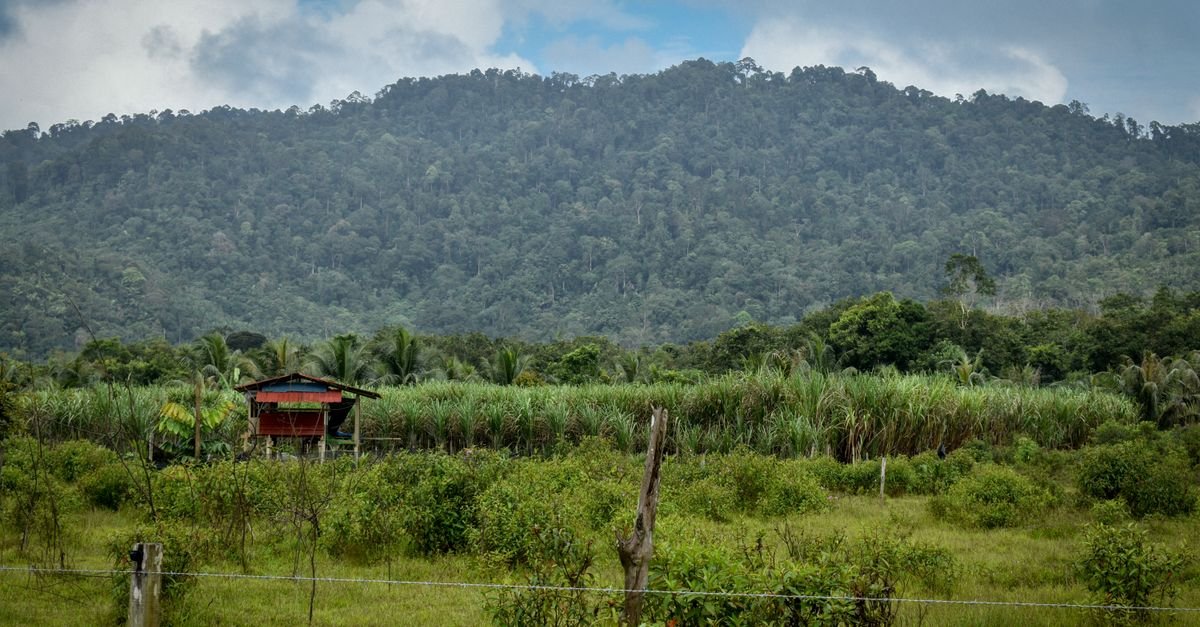
This is the island’s real advantage over flatter atoll destinations. Because Mauritius is volcanic and populated, there is a genuine interior to explore.
Black River Gorges National Park has rainforest walks and viewpoints. The Chamarel area has waterfalls and the coloured earths. Meanwhile Port Louis has a working market, colonial architecture and the island’s best street food.
The cultural mix is unusual and visible. Creole, Indian, Chinese and French influences shape the food, the festivals and the languages, so eating outside the resort is genuinely rewarding rather than merely cheaper.
Golf is a serious draw too, with several championship courses attached to resorts in the south and east. For many repeat visitors, therefore, the golf is the reason to return rather than the beach.
Finally, the island suits combining. Many travellers pair a week in Mauritius with a safari in South Africa, since the flight connections are straightforward.
Families at Mauritius resorts
Mauritius is one of the strongest family destinations in the Indian Ocean, and the reason is practical. Because the resorts are flat and beachfront, pushchairs and tired children are far easier than on hillside properties.
Kids’ clubs are well developed at the larger west and east coast resorts, often with separate toddler and older-child programmes. Consequently parents get genuine time off, which is not true everywhere in the region.
The lagoon helps as well. Wide, shallow and reef-protected water on the west coast means small children can swim safely without constant supervision in deep water.
Family rooms, interconnecting rooms and two-bedroom suites are widely available, although they sell out in European and South African school holidays. Therefore book early if those dates are fixed for you.
One caveat: a handful of the most design-led properties are adults-only or effectively so. Check before booking rather than assuming a luxury resort welcomes children.
Food, inside and outside the resort
Resort dining is competent and expensive, as everywhere in the region. However, Mauritius differs because leaving is easy and worthwhile.
Street food is a highlight. Dholl puri, gateaux piments and fresh fruit from roadside stalls cost very little and are genuinely good. Port Louis market is the obvious place to try them.
Independent restaurants cluster in Grand Baie, Flic en Flac and Tamarin, serving Creole seafood, Indian curries and Chinese-Mauritian dishes. Therefore a car for a few evenings opens up the island considerably.
Rum is the local speciality, and several distilleries run tastings. Because the island grows its own sugarcane, the agricole-style rums are distinctive rather than generic.
So price half board against two or three dinners out. On the north and west coasts particularly, eating outside the resort a few times improves the week and reduces the bill.
Booking without the common errors
First, book the coast that matches your month and your priorities, as described above. That single decision prevents most disappointment.
Second, ask whether the lagoon in front of the resort is swimmable at low tide. Some stretches become very shallow, and a few have seagrass that bothers swimmers.
Third, confirm which section of the resort your room sits in. Large properties often have adults-only, family and standard wings, and the atmosphere differs materially between them.
Fourth, check the meal plan details rather than the label. Half board at one resort includes a buffet only, while at another it covers two speciality restaurants. Therefore the same words can mean quite different value.
Finally, verify entry requirements and health guidance through official channels for your nationality, and confirm your insurance position on cyclone disruption if you travel between November and April.
Watersports and what is actually included
This is where Mauritius resorts differ from much of the region, and it is worth checking line by line. Because the lagoons are sheltered, most properties include a genuine range of non-motorised activities at no extra cost.
Typically that means kayaks, paddleboards, pedal boats, snorkelling gear and sometimes a glass-bottom boat trip. Consequently a family can fill several days without opening the wallet, which is unusual at this price level.
Motorised activities are the paid tier. Water skiing, tubing, parasailing and jet skis are charged per session, and prices vary widely between resorts. Therefore if these matter to you, compare them specifically rather than assuming parity.
Diving is usually run by an on-site or affiliated centre. The reef is decent rather than spectacular, although the wreck diving off the west coast is genuinely good. Meanwhile big-game fishing from Black River is a serious draw, with marlin and tuna in season.
Kitesurfing deserves a separate mention. Le Morne in the southwest and Belle Mare in the east are both well regarded, and the windy winter months that bother sunbathers are exactly what kiters want. So the season that suits you depends entirely on which activity you came for.
Spas and wellness at Mauritius resorts
Spa provision is strong across the island, and several properties treat it as a primary draw rather than an amenity. Because competition is high, the facilities are often larger than the resort size would suggest.
Treatment menus draw on Ayurvedic traditions alongside European techniques, reflecting the island’s Indian heritage. Therefore it is one of the few beach destinations where a genuine multi-day Ayurvedic programme is available rather than a single themed massage.
Prices sit at international luxury levels, so booking deliberately pays. Many resorts discount treatments on arrival and departure days, and longer stays sometimes include a credit. Consequently asking at booking rather than at the spa desk is worth doing.
Several properties also include yoga, aqua fitness and guided walks at no charge. In practice those inclusions deliver more of the wellness benefit across a week than one expensive treatment does.
Finally, thermal and hydrotherapy circuits appear at the larger resorts. Although they are pleasant, they matter less here than in cooler climates, since the lagoon is warm and swimmable almost year-round.
Honeymoons, weddings and celebrations
Mauritius is one of the most established wedding and honeymoon destinations in the Indian Ocean, and the infrastructure reflects that. Because the legal process for foreign marriages is well trodden, resorts handle the paperwork routinely.
Honeymoon packages typically bundle a room upgrade where available, a private dinner, a spa treatment for two and sparkling wine on arrival. The genuinely valuable items are the upgrade and the dinner, since both are expensive bought separately.
However, the decorative extras add little. Petals, cake and fruit baskets are pleasant but rarely justify a package premium alone. Therefore price the package against the same elements booked individually before committing.
For weddings, the practical considerations are season and coast. Summer heat and cyclone risk argue against January to March, while the windy eastern winter can disrupt an exposed beach ceremony. Consequently the shoulder months of April, May, September and October are the most reliable.
Finally, confirm residency requirements and documentation well ahead, and verify them through official channels rather than resort summaries, because the rules are specific and do change.
Golf at Mauritius resorts
Golf is a genuine reason some travellers choose Mauritius over other Indian Ocean islands. Because several resorts have championship courses attached or adjacent, a golfing holiday here needs no compromise on the beach side.
The south and east hold most of the serious courses, with layouts running between sugarcane, forest and coastline. Consequently resort guests often get preferential tee times and reduced green fees, which materially changes the cost of a week’s golf.
The climate suits play for most of the year, although summer humidity makes early morning rounds strongly preferable from December to March. Meanwhile the drier winter months are comfortable throughout the day.
Several properties bundle unlimited golf into the room rate or offer it as a package supplement. Therefore if you intend to play more than twice, compare that bundle against paying per round, because the breakeven point is usually around three rounds.
Finally, confirm whether buggies, caddies and club hire are included or charged. Those three lines add up quickly, and the policy differs noticeably between courses.
Getting there and airport transfers
Sir Seewoosagur Ramgoolam International Airport sits in the southeast of the island, near Mahebourg. Because the island is compact, no resort is more than about ninety minutes away by road.
Eastern and southern resorts are closest, typically twenty to forty minutes. Western properties run around an hour, while the northern resorts around Grand Baie are the furthest at roughly an hour and a quarter.
Resort transfers are straightforward and reasonably priced compared with island-hopping destinations. However, they are usually charged per vehicle rather than per person, so a family or group should ask for a vehicle quote rather than accepting a per-head figure.
Taxis are readily available and often cheaper than resort cars for the same journey. Meanwhile helicopter transfers exist for the northern and western resorts, which is a genuine time saver although the cost is considerable.
One practical note: flights from Europe typically land in the morning after an overnight sector. Therefore an early check-in request is worth making at booking, because otherwise the first day can disappear waiting for a room.
Mistakes that cost people the trip they wanted
- Booking the east coast in July for a sunbathing holiday, then meeting the trade winds.
- Choosing a garden room at a very large resort and discovering a long walk to the beach.
- Taking full board and then eating almost nothing outside the resort on an island with excellent food.
- Assuming every luxury resort welcomes children when several are adults-only.
- Travelling in February without checking the cancellation and insurance position on cyclones.
- Skipping the interior entirely and missing what distinguishes Mauritius from an atoll.
Frequently asked questions about Mauritius resorts
Which coast of Mauritius is best?
The west suits families and calm swimming, the east has the widest and clearest beaches, the north is best for eating out and boat trips, and the south is the most scenic and secluded. There is no single best coast, so match it to how you want to spend your days and to the season you are travelling in.
Is Mauritius cheaper than the Maldives?
Generally yes, and for a structural reason. Mauritius is a single populated island with its own restaurants, shops and transport, so there are real options below resort pricing. The Maldives concentrates almost everything inside resort islands, which removes the cheaper alternatives.
When is the best time to visit Mauritius?
April to May and September to October tend to give the best balance of warm water, moderate wind and lower rates. Winter from June to August is cooler, drier and breezier, while summer from November to April is hot, humid and carries cyclone risk, peaking from January to March.
Do I need a car in Mauritius?
Not for the whole stay, but two or three days of car hire is worthwhile. The interior, Port Louis market and the independent restaurants are the things most visitors underrate, and all are easier with a car. Taxis and resort shuttles cover shorter trips perfectly well.
Is half board worth it at Mauritius resorts?
Usually yes, because resort dinners are expensive ordered individually. However, check what the plan actually covers, since some include only a buffet while others extend to speciality restaurants. On the north and west coasts, leave room for a few dinners outside the resort.
Is Mauritius good for families?
It is one of the better family options in the region. The resorts are flat and beachfront rather than hillside, the west coast lagoon is wide and shallow, and kids’ clubs at the larger properties are well developed. Check whether your chosen resort has an adults-only policy before booking.
Booking Mauritius: where to start
Once you have settled which area and room category you want, the next step is seeing what is actually open on your dates, because the categories described above sell out first. Compare Mauritius resorts and room categories on Trip.com
For the excursions mentioned above, booking the well-known ones ahead is usually worth it in high season. Browse Mauritius tours and day trips on Viator
Because the transfer times above are long and the arrival is the part of the trip most often mishandled, arranging the car before you fly is worth more than it costs. Pre-book a private airport transfer with Welcome Pickups
How this guide was researched
This guide draws on resort-published room categories, meal-plan structures and location details across the luxury properties on each Mauritian coast, compared against each other to identify where they genuinely differ rather than where the marketing differs.
Seasonal wind and rainfall patterns, and the cyclone risk window, come from published climate guidance rather than operator marketing, because resorts naturally describe their own coast favourably year-round. Entry, health and insurance questions were checked against official sources.
Cost comparisons are presented as relative bands rather than quoted figures, since rates move with season, coast and meal plan. Nothing here claims first-hand stays at every property named, and where that distinction matters the text states what the source is.
Useful official references: CDC destination health notices for pre-trip guidance, US State Department international travel pages for entry and safety information, and FTC travel guidance on verifying an operator before paying a deposit.
Comparing Indian Ocean options? See our guides to luxury resorts in the Maldives and beach resorts, plus family luxury resorts if you are travelling with children.
Last updated .