
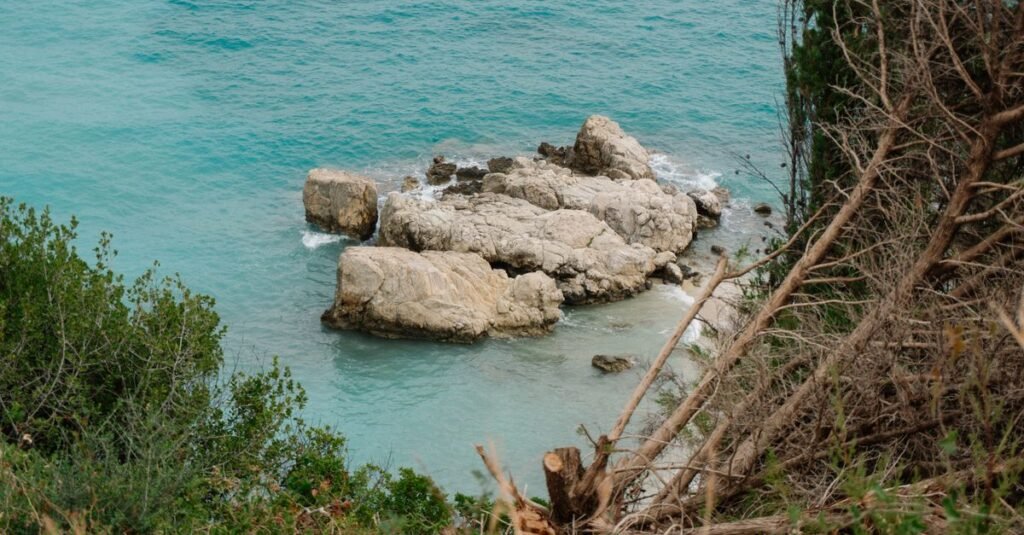
The quick answer on choosing Greek islands
There are far too many Greek islands to compare individually, so the useful approach is to choose a group first. Because each archipelago has its own character, ferry network and flight access, the group decision does most of the work.
The Cyclades are the postcard islands and the busiest. The Dodecanese are historic and closer to Turkey. Meanwhile the Ionian islands are greener and wetter, and Crete is large enough to be a destination on its own.
- Pick an archipelago first, then islands within it, because ferry links run inside groups rather than between them.
- Two islands in ten days is comfortable; three is possible, four is a mistake.
- Many of the best beaches are shingle or pebble rather than sand, which is why the water is so clear.
- The meltemi wind blows hard through the Cyclades in high summer and disrupts ferries.
- Late May to June and September are the best weeks: warm sea, open tavernas, far fewer people.
Affiliate disclosure: Some links in this guide are affiliate links. If you book through them, Silk Harbor Travel may earn a commission at no extra cost to you, and it does not change what we recommend.

Free download: Luxury Trip Planning Checklist
Shortlist premium stays faster with a calm, high-signal checklist.
Choose the group, the season and the number of islands before looking at a single hotel. Therefore the structure of the trip is settled before the shopping starts.
Understanding the Greek islands by group
Each archipelago answers a different brief, and knowing which is which saves an enormous amount of searching.
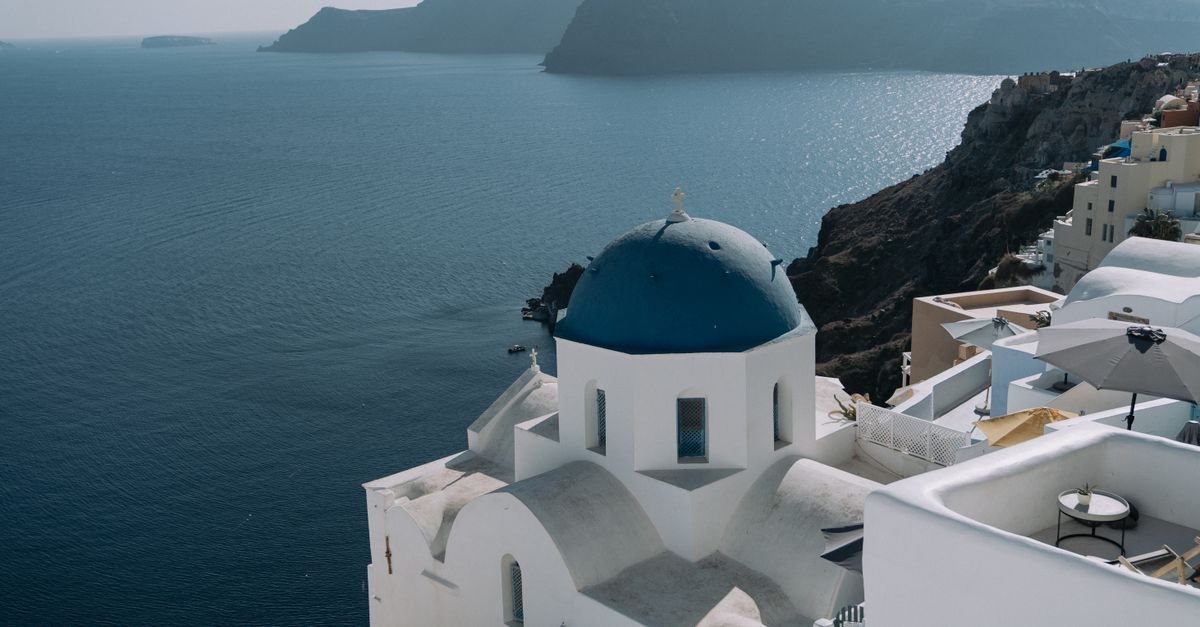
The Cyclades, in the central Aegean, are the dry, bright, whitewashed islands of the standard image. Consequently they hold the most famous names, the most luxury development and the heaviest August crowds.
The Dodecanese, in the south-east, are closer to the Turkish coast and carry layers of medieval, Ottoman and Italian history. Therefore they suit travellers who want substance alongside swimming.
The Ionian islands, on the west side, are green, wooded and noticeably wetter, with a Venetian rather than Ottoman past. Meanwhile their beaches include some of the most dramatic in the country.
The Sporades, north of Athens in the Aegean, are pine-covered and quieter, with a marine park and a reputation for seclusion rather than nightlife.
Crete is large enough to be treated as its own destination, with mountains, gorges, Minoan archaeology, a serious food culture and a long season. Consequently it is the easiest single-island choice for a two-week trip.
The Saronic islands, within easy reach of Athens, are the practical short-break option, and one of them famously bans cars. So they suit a few nights rather than a full holiday.
Comparing the Greek islands by group
The table compares the groups on the practical dimensions that decide a trip rather than on scenery alone.
| Group | Character | Access | Luxury supply | Best for |
|---|---|---|---|---|
| Cyclades | Dry, white, dramatic | Good flights and ferries | Highest | First visits, design hotels |
| Dodecanese | Historic, layered, varied | Flights to the larger islands | Moderate and growing | History with swimming |
| Ionian | Green, wooded, wetter | Good flights from Europe | Moderate, villa-heavy | Villas, families, sailing |
| Sporades | Pine forest, quiet | Limited, often via ferry | Low | Seclusion, marine wildlife |
| Crete | Large, mountainous, food-led | Excellent direct flights | High | Two weeks on one island |
| Saronic | Close to Athens, genteel | Fast ferry from Athens | Low to moderate | Short breaks, car-free stays |
| North Aegean | Lush, less visited | Flights to the main islands | Low | Travellers avoiding crowds |
A framework for planning a Greek islands trip
Four decisions, taken in order, prevent the most common and most expensive planning errors.
Ferries: the part that breaks itineraries
Ferry logistics cause more ruined Greek islands plans than any other factor, and the problem is structural rather than occasional.
Routes radiate outward from Athens and run within archipelagos. Consequently two islands that look adjacent on a map may have no direct service if they belong to different groups.
Schedules are seasonal, with far more sailings in July and August than in May or October. Therefore a connection that exists in high summer may not exist in the shoulder months you have chosen.
High-speed catamarans are quicker and more weather-sensitive, while conventional ferries are slower and more reliable in wind. Meanwhile the fast boats are the ones cancelled when the meltemi blows.
The practical rule is to verify the specific connection, on your specific dates, before booking any accommodation. So checking the operator’s own timetable rather than a summary page is worth the effort.
Build a buffer around your return flight. Consequently spending the last night in Athens, or at least allowing a full day, protects you from a cancelled sailing.
Wind, weather and the meltemi in the Greek islands
Greek summer weather is reliably hot and sunny, and the complication is wind rather than rain.
The meltemi is a strong northerly that blows through the Aegean mainly in July and August. Because it is a seasonal pattern rather than a storm, it can persist for days.
It affects the Cyclades most, and it has real consequences: cancelled fast ferries, closed beaches on exposed coasts and unpleasant conditions for swimming. Therefore it is the strongest argument for travelling in June or September.
It also has a benefit, which is that it keeps temperatures bearable in the hottest weeks. Consequently a windy Cycladic August is more comfortable than a still mainland one.
The practical response is to choose accommodation on a sheltered coast and to prefer conventional ferries over catamarans in exposed months. Meanwhile the Ionian islands, on the other side of the country, are largely unaffected.
Heat is the other consideration. So in July and August, planning around a long midday break is not laziness but standard practice.
Beaches, and what to expect
Expectations cause more disappointment here than conditions do, and the key fact is simple.
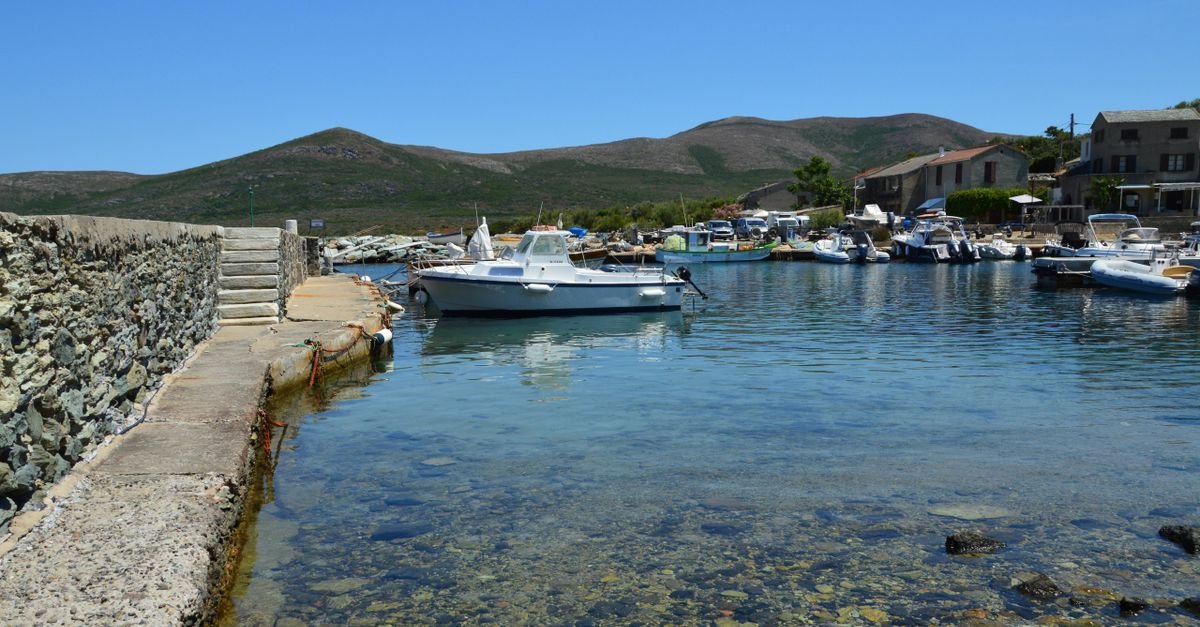
Many of the finest beaches in the Greek islands are shingle, pebble or coarse sand rather than powder. Because there is less sediment suspended in the water, this is precisely why the sea is so startlingly clear.
Bring water shoes if you have sensitive feet, and expect to need a mat or a sunbed rather than a towel on stones. Consequently a little preparation changes the experience entirely.
Organised beaches with sunbeds, service and a taverna are the norm at the popular spots, and they usually charge. Therefore the quiet unorganised coves require a car or a boat to reach.
Volcanic islands have dark and even red sand, which is dramatic and gets extremely hot underfoot. Meanwhile the Ionian islands hold some of the whitest pebble beaches and the most photographed cliffs.
Finally, swimming conditions vary sharply between the sheltered and exposed sides of the same island. So asking which coast your hotel sits on is a more useful question than asking about the beach itself.
Where the luxury hotels are in the Greek islands
Supply is concentrated rather than evenly spread, which affects which islands are realistic for a high-end stay.
The Cyclades hold the greatest concentration, particularly on the caldera island and the best-known party-and-design island. Consequently those two also carry the highest prices and the heaviest crowds.
Crete has a long-established resort sector along its northern coast, with large established properties and a growing set of smaller design hotels. Therefore it offers the widest range at any given budget.
The Ionian islands lean towards villas rather than hotels, with some outstanding private houses available by the week. Meanwhile a handful of substantial resorts anchor the main islands.
The Dodecanese have fewer luxury properties but increasing quality, particularly in restored medieval buildings in the historic towns. So a boutique stay there buys atmosphere that a new-build cannot.
Across all the groups, the small restored-stone hotel with a dozen rooms is the most characteristic form of Greek luxury. Consequently comparing by room count rather than brand is the better way to shop.
Food, and eating well
Greek island food is simple, seasonal and best judged by the quality of the ingredients rather than the ambition of the cooking.
Fish is priced by weight and is genuinely expensive when it is genuinely local. Therefore asking what is fresh and accepting the day’s catch produces better meals than ordering from a menu.
Each island has its own specialities, cheeses and wines, which is where the interest lies. Consequently asking for the local version of anything is reliably better than ordering the national dish.
Greek wine has improved dramatically and the island varieties are distinctive, particularly the volcanic whites. Meanwhile most of the good production never leaves the country, which makes it worth drinking there.
Lunch is the serious meal in summer heat, taken slowly and late. So adapting to the local rhythm improves both the food and the day.
Finally, the best tavernas are rarely on the harbour front. Consequently walking ten minutes inland is the simplest upgrade available anywhere in the Greek islands.
Sailing and chartering
Island-hopping by boat solves the ferry problem entirely and is one of the best ways to see the country.
Bareboat chartering requires qualifications and is well established, particularly in the Ionian where the waters are sheltered. Consequently that group is the usual choice for less experienced sailors.
Skippered and crewed charters remove the qualification requirement and the work. Therefore they suit travellers who want the access without the responsibility.
The Cyclades are more demanding sailing because of the meltemi, and the Dodecanese and Sporades sit in between. Meanwhile a local skipper’s knowledge is worth more in the windier groups.
A charter also reaches the beaches and coves that have no road, which is the real advantage over a hotel base. So even a single day boat from your island changes what you see.
Verify any charter operator before paying a deposit, since this is a large prepayment well in advance. Consequently checking registration, insurance and payment protection is a sensible step.
Practical notes for the Greek islands
Flights into the islands are extensive in summer and sparse out of season, which is the main scheduling constraint.
Several islands have direct European connections from late spring to early autumn and only domestic links otherwise. Therefore an out-of-season trip usually routes through Athens.
Hire cars sell out on the smaller islands in high season, often weeks ahead. Consequently booking a car at the same time as the hotel is the sensible order.
Roads on the smaller islands can be narrow, steep and unsurfaced in places. Meanwhile scooters and quad bikes are popular and account for a high share of visitor injuries, and many insurance policies exclude them.
Cash remains useful at small tavernas, kiosks and on some beaches, although card acceptance has improved. So carrying some is still practical.
Check current entry requirements for your nationality and confirm that your travel insurance covers the activities you plan. Consequently nothing here replaces checking official sources close to travel.
Pairing islands that actually work together
Once the group is chosen, the pairing matters, and some combinations are far better than others.
The strongest pairings put a busy, famous island alongside a quiet neighbour in the same group. Consequently you get the scenery and the restaurants without spending ten days in the crowds.
In the Cyclades, combining one of the headline islands with a quieter agricultural or mountainous neighbour is the classic approach. Therefore the contrast becomes part of the holiday rather than a compromise.
In the Ionian, the main islands are close enough that a short crossing links them, which makes a two-island trip genuinely easy. Meanwhile the smaller satellites are reachable by day boat rather than needing a base.
Crete pairs badly with anything, not because it is isolated but because it deserves the whole trip. Consequently treating it as half of a two-island itinerary wastes it.
The one pairing to avoid everywhere is two islands in different groups without an Athens night between them. So if you must cross groups, accept the mainland stop rather than hunting for a direct link.
Athens, and whether to include it
Most routes pass through Athens whether you plan to stop or not, and the question is whether to make it deliberate.
Two nights at the start or the end adds the Acropolis, the museums and a serious food scene. Because the city has improved markedly as a destination in its own right, it is no longer merely a transit point.
Putting it at the end rather than the beginning has a practical advantage: it absorbs a delayed ferry without threatening your flight home. Therefore the buffer and the sightseeing are the same two nights.
Summer heat in the city is more oppressive than on the islands, since there is no sea breeze. Consequently early mornings for the archaeological sites and late evenings for dinner are the standard rhythm.
The port is some distance from the centre and the airport further still. Meanwhile transfer times are longer than first-time visitors expect, which is worth building into the plan.
Greek islands character beyond the scenery
Choosing between islands within a group comes down to character rather than looks, since the looks are broadly shared.
Some islands are built around nightlife and are genuinely loud until dawn in high season. Therefore a traveller wanting quiet should establish this before booking, because the photographs look identical.
Others are agricultural and lived-in, with working villages, limited dining and very little at night. Consequently they suit people who want a place rather than a resort.
A third category is the walking island, with old mule paths now maintained as trail networks. Meanwhile these are at their best in spring and autumn rather than high summer.
Several islands have serious archaeology or medieval towns that justify a visit on their own terms. So if history matters to you, that narrows the shortlist faster than beaches do.
Finally, a handful are effectively car-free or heavily restricted, which changes the texture of a stay completely. Consequently they are worth seeking out rather than avoiding.
Families and villas
Greece suits families well, though the right island depends more on terrain and beach type than on hotel facilities.
The Ionian group is the easiest with children, because the islands are green, the beaches include genuine sand and the crossings between them are short. Consequently it is the most popular family choice among the groups.
Crete works for the same reasons at a larger scale, with established resorts on the north coast and shallow swimming at several of them. Therefore it suits families who want one base and plenty of options.
Villa rental is a particular strength in the Ionian and increasingly in Crete and the larger Cycladic islands. Meanwhile a villa with a pool solves the pebble-beach problem for small children entirely.
In the Cyclades, the steep terrain and stepped villages are harder work with prams and toddlers. So families drawn to that scenery are better served by a flatter island within the same group.
Across all groups, ask whether the hotel’s swimming is from a beach, a platform or a pool, since on rocky coasts the answer is often not what the photographs suggest.
Booking checklist for the Greek islands
First, choose an archipelago rather than browsing individual islands, since ferry links run within groups.
Second, limit yourself to two islands in ten days, because each move costs most of a day in practice.
Third, verify the specific ferry or flight between your chosen islands on your actual dates before booking any accommodation.
Fourth, favour late May to June or September, which gives a warm sea, open tavernas and far fewer people than August.
Fifth, ask which coast your hotel sits on, since the sheltered and exposed sides of the same island swim very differently.
Finally, book a hire car at the same time as the hotel, allow a buffer night before your return flight, and verify entry requirements and insurance cover through official sources.
Mistakes that spoil a Greek islands trip
- Planning four islands in ten days and spending half the holiday in ports.
- Assuming two islands are connected because they look close on a map.
- Booking a shoulder-season trip on a ferry schedule that only runs in high summer.
- Expecting powder sand and arriving at a beautiful pebble beach unprepared.
- Travelling in August to the Cyclades and losing days to the meltemi.
- Flying home the same day as a long ferry crossing with no buffer.
- Eating only on the harbour front where the prices are highest and the cooking is weakest.
Frequently asked questions about the Greek islands
Which Greek island group should I choose?
The Cyclades for the classic whitewashed scenery and the most luxury hotels, the Ionian for green landscapes and villas, the Dodecanese for layered history alongside swimming, and Crete if you want a single island large enough for two weeks. Choose the group first, because ferries connect islands within a group rather than across groups.
How many islands should I visit in ten days?
Two. Each island move costs most of a day once you account for check-out, the crossing and settling in, so three is possible only with short hops and four almost always disappoints. Two bases with a day trip or a boat day from each works far better.
When is the best time to visit the Greek islands?
Late May to June and September are generally the best weeks, with a warm sea, tavernas open and far fewer visitors than high summer. July and August bring the biggest crowds, the highest prices and the meltemi wind, which disrupts fast ferries in the Aegean.
Are the beaches sandy?
Many of the best are shingle, pebble or coarse sand rather than powder, which is exactly why the water is so clear. Water shoes and a mat make a real difference. Volcanic islands have dark or red sand, and some of the whitest pebble beaches are in the Ionian group.
What is the meltemi and does it matter?
It is a strong seasonal northerly wind that blows through the Aegean mainly in July and August, affecting the Cyclades most. It can cancel high-speed ferries for days and make exposed beaches unusable, though it also keeps the heat bearable. It is the main reason to prefer June or September.
Do I need a car on a Greek island?
On most islands yes, if you want to reach the quieter beaches and villages rather than only the main town. Hire cars sell out weeks ahead in high season on the smaller islands, so book one alongside the hotel. Scooters and quad bikes are widely rented and excluded by many insurance policies.
Booking the Greek islands: where to start
Once you have settled which area and room category you want, the next step is seeing what is actually open on your dates, because the categories described above sell out first. Compare Greek island resorts and room categories on Trip.com
For the excursions mentioned above, booking the well-known ones ahead is usually worth it in high season. Browse Greek island tours and day trips on Viator
How this guide was researched
This guide is organised by archipelago rather than by individual island, because that is how the ferry network, the flight schedules and the regional character actually work. The group comparison and the four-step framework follow from the structure of the transport network rather than from any operator’s product.
Ferry behaviour, the seasonal thinning of schedules and the greater weather sensitivity of high-speed catamarans compared with conventional vessels are well-documented features of Aegean travel, and the meltemi is a recognised seasonal wind pattern rather than a weather event. Beach composition, including the prevalence of shingle and volcanic sand, comes from published geographic information rather than resort marketing.
No specific hotels, islands’ names in the luxury-supply section, ferry operators or charter companies are named, and no prices appear, because routes, schedules and rates change every season. Nothing here claims first-hand travel; this is a research-based planning guide, and judgements are presented as judgements.
Useful official references: US State Department country information for Greece, CDC traveller health information for Greece, the UNESCO World Heritage list, which includes several island sites, and FTC travel guidance on verifying an operator before paying a deposit.
Planning the practical side? See our guides to luxury hotels on the Amalfi Coast, travel insurance for expensive trips and solo luxury travel.
Last updated .