
The quick answer on luxury travel in Vietnam
Vietnam is long, narrow and climatically divided, which is the single most important thing to understand before planning. Because the country stretches across more than fifteen degrees of latitude, the north, centre and south are in different seasons at the same time.
That geography means there is no universally good month. Consequently the right dates depend entirely on which regions you include, and a badly sequenced route can meet rain everywhere.
- The classic route runs Hanoi, a karst bay, Hue and Hoi An, then Ho Chi Minh City, with a beach at the end.
- Two weeks is comfortable, ten days is tight, three weeks adds the far north and the Mekong Delta.
- Internal flights are cheap and frequent, and they are what make a multi-region trip practical.
- Luxury travel in Vietnam is good value by regional standards, with strong properties at every level.
- Choose Lan Ha Bay over the busiest part of Ha Long Bay if you can, for the same scenery with fewer boats.
Affiliate disclosure: Some links in this guide are affiliate links. If you book through them, Silk Harbor Travel may earn a commission at no extra cost to you, and it does not change what we recommend.
Free download: Luxury Trip Planning Checklist
Shortlist premium stays faster with a calm, high-signal checklist.
Plan the regions and the season first, then the properties. Therefore the sequencing decision does more for the trip than the hotel choice does.
The three regions that shape luxury travel in Vietnam
Thinking of Vietnam as one destination with one climate is the most common planning error, and it is worth dismantling first.
The north, around Hanoi, Ninh Binh, the karst bays and the mountains near Sapa, has a genuine cool season. Consequently winter there is chilly and often grey, which surprises travellers expecting tropical weather throughout.
The centre, around Hue, Da Nang and Hoi An, has its own pattern, with a distinct wet period later in the year that can bring serious flooding. Therefore the centre is frequently the region that dictates the dates.
The south, around Ho Chi Minh City, the Mekong Delta and the southern islands, is tropical and warm year-round with a defined wet season of afternoon downpours. Meanwhile those downpours are usually short rather than trip-ruining.
The practical consequence is that the best overall window is the one where all three regions are tolerable at once, which is a narrower band than any single region’s best season. So the shoulder months are often the sensible compromise.
Comparing the regions for luxury travel in Vietnam
The table compares what each region offers and what it demands, which is the comparison itinerary pages rarely make.
| Region | Highlights | Climate pattern | Nights needed | Best for |
|---|---|---|---|---|
| Hanoi and the north | Old Quarter, food, colonial architecture | Real cool season in winter | 2-3 | Culture, street food |
| Karst bays | Limestone islands, overnight boats | Follows the north | 1-2 | Scenery, boat nights |
| Ninh Binh | Inland karst, rivers, temples | Follows the north | 1-2 | Quieter karst scenery |
| Sapa and the far north | Rice terraces, hill villages, trekking | Cold and misty in winter | 2-3 | Mountains, walking |
| Hue and Hoi An | Imperial sites, old town, tailoring, food | Distinct later wet period | 3-4 | History, food, shopping |
| Ho Chi Minh City | Energy, dining, modern Vietnam | Tropical, afternoon rain in season | 2-3 | City life, food |
| Mekong Delta | Waterways, markets, rural life | Follows the south | 1-2 | Slow river travel |
| Southern islands | Beaches, diving, resorts | Own pattern, inverted in places | 3-5 | Finishing on a beach |
A framework for sequencing a Vietnam trip
Four decisions produce a coherent route. The framework below runs through them in the order that matters.
Four decisions, in this order
1. How many nights
Ten days: two regions. Two weeks: three. Three weeks: add north or delta.
2. Season by region
North, centre and south are not in the same season. The centre usually decides.
3. Direction, not loops
Fly into one end, out of the other. Backtracking wastes days.
4. Beach at the end?
Which island you pick changes which months work, so decide this early.
Hanoi and the north
Hanoi is the cultural heart and it rewards more time than most itineraries give it. Because the Old Quarter is dense, walkable and genuinely lived in, wandering is the main activity.
The food is the reason many travellers rate Hanoi above the southern capital. Consequently a guided street-food walk on the first evening is one of the highest-value things you can book anywhere in the country.
Colonial-era architecture, the lake district and the museums fill the daylight hours comfortably. Meanwhile the grand historic hotels in the centre are an experience in themselves and a sensible base.
From Hanoi, the karst bays are a few hours by road, and Ninh Binh is a similar distance inland. Therefore the city works well as the hub for the whole north.
A practical note on weather: the northern winter is genuinely cool and often overcast, which affects photographs and swimming more than comfort. So travellers who want warmth throughout should weight their route southward.
Karst bays: the choice that decides the trip
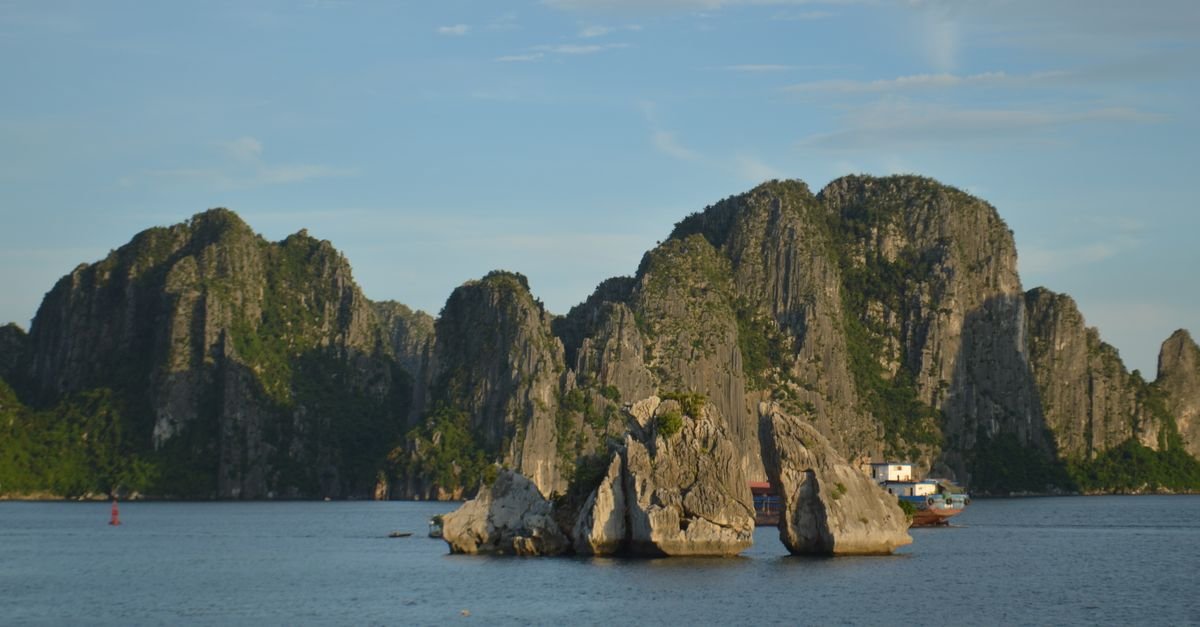
The limestone seascape is the image most people associate with the country, and where you see it makes a substantial difference.
The best-known bay is spectacular and busy, with a large number of day boats and overnight vessels working the same water. Consequently the central routes can feel crowded at peak times.
The adjoining bay to the south is the same geology with far fewer boats, and most of the better small vessels work there. Therefore asking which bay a cruise actually operates in is the single most useful question to put to an operator.
An overnight boat is worth doing, because the bay at dawn with no day traffic is a different place entirely. Meanwhile two nights aboard is better than one if the schedule allows.
Inland, Ninh Binh offers the same limestone formations surrounded by rice fields and rivers rather than sea. So a day there pairs well with a bay night and photographs beautifully.
Vessel quality varies enormously under similar marketing language. Consequently reading recent reviews of the specific boat matters more than the brochure category.
The centre: Hue, Da Nang and Hoi An
The central strip is where many travellers end up spending the most time, and it is the part that most often changes people’s view of the country.
Hue holds the imperial citadel, the royal tombs along the river and a distinct courtly cuisine. Consequently it is the historical anchor of any route and deserves at least a full day.
The drive or train between Hue and Da Nang over the coastal pass is one of the best journeys in the country. Therefore taking it slowly, rather than flying between the two, is worth the time.
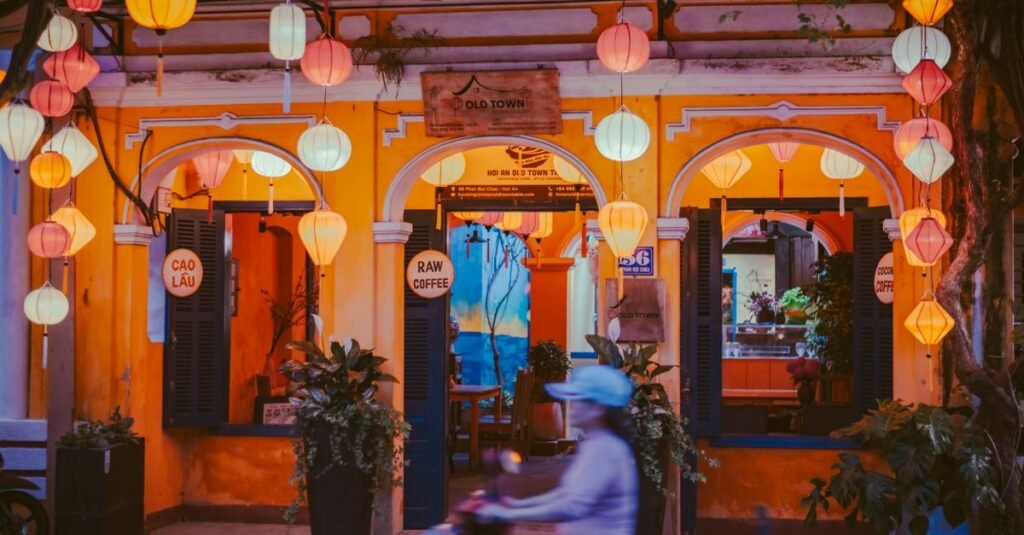
Hoi An is the centrepiece for most visitors: a preserved trading town of shophouses, lanterns, tailors and some of the best food in Vietnam. Meanwhile the surrounding beaches mean you can combine old town evenings with coastal days.
Tailoring in Hoi An is a genuine draw and a genuine lottery. So allow several days if you want something made properly, and expect at least one fitting beyond the first.
The region’s resort strip between Da Nang and Hoi An holds much of the country’s best beachfront luxury. Consequently this is where many itineraries place their most comfortable nights.
Ho Chi Minh City and the south
The southern capital is faster, hotter, more commercial and more modern than Hanoi, and the contrast is part of the point.
The dining scene is the strongest in the country, spanning street stalls, regional specialists and a growing set of ambitious restaurants. Consequently food-led travellers often allocate more nights here than planned.
Historical sites covering the twentieth century are concentrated in and around the city, and they are confronting rather than comfortable. Therefore allow emotional space as well as time for them.
The Mekong Delta begins a couple of hours away, and a night in the delta beats a day trip substantially. Meanwhile the floating markets operate early, which a day trip from the city cannot reach properly.
Rooftop bars and the river are the city’s easy pleasures after dark. So an evening without a plan works better here than in most Asian cities.
Beaches and islands
Finishing on a beach is the standard shape for luxury travel in Vietnam, and the island choice interacts with your dates.
The large southern island is the most developed for resorts, with a growing collection of substantial properties and direct flights. Consequently it is the easiest add-on at the end of a route.
A smaller, more remote southern archipelago offers much quieter beaches, better diving and a very different feel. Therefore it suits travellers willing to trade convenience for seclusion.
The central coast beaches near Da Nang and Hoi An are the practical choice when your route ends in the middle rather than the south. Meanwhile they share the centre’s weather pattern, which is the catch.
Further up the coast, the resort strip around Nha Trang and the quieter bays nearby offer another option again, with its own microclimate. So the beach decision really does need to be made alongside the dates.
Importantly, the southern islands and the central coast do not share a wet season. Consequently a month that rules out one may be fine for the other, which is useful flexibility.
Hotels and resorts: what luxury travel in Vietnam buys
Standards at the top end are high and prices are moderate by comparison with the Caribbean or the Indian Ocean, which is the main financial attraction of luxury travel in Vietnam.
The historic grand hotels in Hanoi, Hue and the southern capital are experiences in their own right, with genuine heritage and a formal style. Consequently they are worth a night or two even if your taste runs modern.
The international resort brands are concentrated on the central coast and the southern island, often in dramatic settings by well-known architects. Therefore the design standard is unusually high for the price point.
Small boutique properties and restored shophouses in Hoi An and Hanoi offer the most character and the least predictability. Meanwhile they suit travellers who prefer twenty rooms to two hundred.
Service is warm and genuinely attentive, and English is widely spoken at luxury properties. So the practical friction of a multi-stop route is lower than first-time visitors expect.
One note on value: the gap between a good four-star and an excellent five-star is smaller here in money and larger in experience than in most destinations. Consequently upgrading is often worth it.
Getting around on a luxury travel in Vietnam route
Internal flights are what make a three-region route work, and they are frequent, inexpensive and generally punctual.
The main domestic corridors between the north, centre and south are served many times daily. Consequently a flight replaces a very long drive and buys back most of a day.
The north-south railway is a genuine alternative for specific legs rather than the whole country. Therefore the coastal stretch through the centre is the one worth doing by train.
Private cars with drivers are affordable and are the normal way to cover regional distances, such as Hanoi to the bays or Hue to Hoi An. Meanwhile self-driving is not recommended for visitors given traffic conditions.
In cities, ride-hailing apps work well and remove the fare negotiation entirely. So downloading one before arrival is a small step that saves repeated friction.
Scooters are the dominant form of local transport and the dominant source of visitor injuries. Consequently many travel insurance policies exclude scooter use, which is worth checking before renting one.
Food, and how to eat well
Food is the reason many people return, and for anyone planning luxury travel in Vietnam a little structure makes an enormous difference to what you actually eat.
Regional cuisines are genuinely distinct. Northern cooking is subtler and less sweet, central cooking is spicier and more courtly, and southern cooking is sweeter and more herb-heavy.
Book a guided food walk early in each city rather than late. Consequently you learn what to order and where for the rest of your stay there.
Cooking classes are widely available and unusually good in Hoi An, often including a market visit. Therefore they teach the ingredient logic rather than just a recipe.
Street food is a central part of the experience and manageable with ordinary precautions: busy stalls, hot food, bottled or filtered water. Meanwhile checking current health guidance for the destination before travel is sensible regardless.
Coffee deserves its own mention, since the country has a distinctive tradition built on robusta, condensed milk and egg. So an afternoon in a coffee house is a legitimate activity rather than a pause.
Practical notes for luxury travel in Vietnam
Entry requirements for Vietnam vary by nationality and have changed repeatedly in recent years. Therefore check the current rules through official channels well before booking, since some options must be arranged in advance.
The currency is the dong, and card acceptance is good at luxury properties and patchier at small restaurants and markets. Consequently carrying some cash is still necessary.
Connectivity is good, with inexpensive local data and reliable hotel wifi in cities. Meanwhile remote areas in the far north are less consistent.
Health preparation deserves attention: check current vaccination and malaria guidance for the specific regions you plan to visit, since advice differs between cities, the delta and the highlands.
Weather disruption is the main itinerary risk, particularly the central region’s storm and flood season. So travel insurance that covers weather disruption rather than excluding it is worth more here than in a single-climate destination.
Finally, build in slack. Consequently a route with one spare afternoon per region absorbs a delayed flight or a wet morning without losing anything you cared about.
Sample routes worth copying
Rather than prescribing a fixed plan, here are three shapes that work for luxury travel in Vietnam, each sequenced to avoid backtracking.
The ten-day route takes the centre and the south: fly into Da Nang, three or four nights across Hue and Hoi An, then two or three in Ho Chi Minh City, then a delta night or a short beach stay. Consequently you skip the north entirely rather than skimming it.
The two-week route is the classic. Fly into Hanoi, two or three nights there, a bay night or two, then fly to Da Nang for the central strip, then fly south for the city and finish on an island.
Because every leg moves in one direction, you land at the far end rather than returning to where you started. Therefore the open-jaw flight booking is the structural decision that makes the whole thing efficient.
The three-week route adds the far northern mountains after Hanoi and a proper Mekong Delta stay after the southern capital. Meanwhile both additions need two nights minimum to be worth the travel time.
In every version, put the beach at the end rather than the middle. So the trip builds from dense culture to rest, which is the sequence most travellers prefer in practice.
Shopping, craft and what to bring home
Tailoring in Hoi An is the headline, covering suits, shirts, dresses and coats made in a day or two. Quality ranges from excellent to disappointing, and the difference is the workshop rather than the price. Consequently anyone wanting a suit should arrive with three days in hand rather than one afternoon, because fittings take more than one round.
Lacquerware, ceramics, silk and embroidery are long-standing crafts with real workshops behind them. Meanwhile the better pieces come from specialist shops rather than the stalls aimed at day visitors.
Coffee and tea travel well and are among the better things to bring home, since the robusta tradition is distinctive. So a visit to a specialist roaster is worthwhile in either city.
Travelling with family or at a slower pace
Luxury travel in Vietnam works well for families and for anyone who prefers fewer moves, provided the route is adapted rather than compressed.
The central strip is the easiest base, because the Da Nang and Hoi An area combines beach resorts, a walkable old town, cooking classes and countryside within short drives. Consequently a week there alone makes a complete trip.
Internal flights make a two-base trip practical for travellers who dislike constant packing. Therefore Hanoi plus the central coast, or the central coast plus an island, both work well.
Children generally take to the food, the boats and the lantern-lit evenings readily. Meanwhile traffic in the cities is the main practical concern, which argues for resort bases over urban ones with young children.
For slower travel, cut the number of regions rather than the nights in each. So two regions done properly beats three done at speed, which is the single most useful piece of advice for this country.
Booking checklist for luxury travel in Vietnam
First, pick your regions and then your dates, remembering that the centre’s wet season usually decides the calendar.
Second, fly into one end of the country and out of the other, so you never retrace a leg.
Third, book internal flights early for the best schedules, and use private cars for the regional hops that are better by road.
Fourth, ask any bay cruise operator which bay they actually operate in, and read reviews of the specific vessel rather than the category.
Fifth, allow several days in Hoi An if you want tailoring done properly, and book a food walk on your first evening in each city.
Finally, verify current entry requirements through official channels, check health guidance for the specific regions on your route, and confirm your insurance covers weather disruption and any scooter use.
Mistakes that spoil a Vietnam itinerary
- Treating the country as one climate and meeting rain in the region that mattered most.
- Giving the centre two nights when Hue and Hoi An together deserve three or four.
- Booking a bay cruise without asking which bay it works in.
- Flying in and out of the same city and losing two days to backtracking.
- Expecting tropical warmth in the northern mountains in winter.
- Ordering tailoring on the last afternoon in Hoi An with no time for fittings.
- Renting a scooter without checking whether the insurance policy excludes it.
Frequently asked questions about luxury travel in Vietnam
How long do I need in Vietnam?
Two weeks is comfortable for the classic north, centre and south route with a few beach nights. Ten days works if you cut to two regions rather than rushing three. Three weeks allows the far northern mountains or the Mekong Delta to be added properly rather than as a day trip.
When is the best time to visit?
There is no single best month, because the north, centre and south are in different seasons at the same time. The usable window is whichever months are tolerable in all the regions on your route, and the central region’s wet period is usually the constraint. Check current forecasts and regional patterns close to booking.
Which karst bay should I choose?
The adjoining bay south of the most famous one has the same limestone scenery with far fewer boats, and most of the better small vessels operate there. Ask any operator which bay their itinerary actually works in, since marketing often uses the better-known name regardless.
Should I fly or take the train between regions?
Fly for the long north-to-south legs, because internal flights are frequent and inexpensive and save most of a day. Take the train for the coastal stretch through the centre, which is genuinely scenic, and use a private car with a driver for the regional hops such as Hue to Hoi An.
Is Hoi An worth several days?
Yes, for most travellers it is the highlight. The old town, the food, the nearby beaches and the surrounding countryside fill the time easily, and tailoring needs several days if you want fittings done properly rather than rushed.
Do I need a visa for Vietnam?
It depends on your nationality, and the rules have changed repeatedly in recent years. Some travellers are exempt for short stays and others must arrange documentation in advance. Check the current requirements through official government channels well before booking, rather than relying on any guide.
Booking Vietnam: where to start
Once you have settled which area and room category you want, the next step is seeing what is actually open on your dates, because the categories described above sell out first. Compare Vietnam resorts and room categories on Trip.com
For the excursions mentioned above, booking the well-known ones ahead is usually worth it in high season. Browse Vietnam tours and day trips on Viator
Because the transfer times above are long and the arrival is the part of the trip most often mishandled, arranging the car before you fly is worth more than it costs. Pre-book a private airport transfer with Welcome Pickups
How this guide was researched
This guide is built around the country’s geography, which is the factor that most often derails itineraries: a long narrow landmass spanning many degrees of latitude, with three regions that do not share a climate. The regional comparison and the sequencing framework follow from that rather than from any operator’s published route.
Regional highlights, journey options and the distinction between the two main karst bays are drawn from published tourism and transport information, and the bay point in particular reflects the well-documented difference in boat traffic between the adjoining bays. No specific hotels, vessels or operators are named, and no prices appear, because rates and vessel quality change frequently.
Nothing here claims first-hand travel in Vietnam; this is a research-based planning guide, and where the text makes a judgement it is presented as a judgement. Entry requirements, health guidance and weather risk are described only in general terms and should be verified through official sources close to travel, since all three change.
Useful official references: US State Department country information for Vietnam, CDC traveller health information for Vietnam, the UNESCO World Heritage list, which includes several sites on this route, and FTC travel guidance on verifying an operator before paying.
Planning the practical side? See our guides to travel insurance for expensive trips, tipping at resorts and on ships and solo luxury travel.
Last updated .