
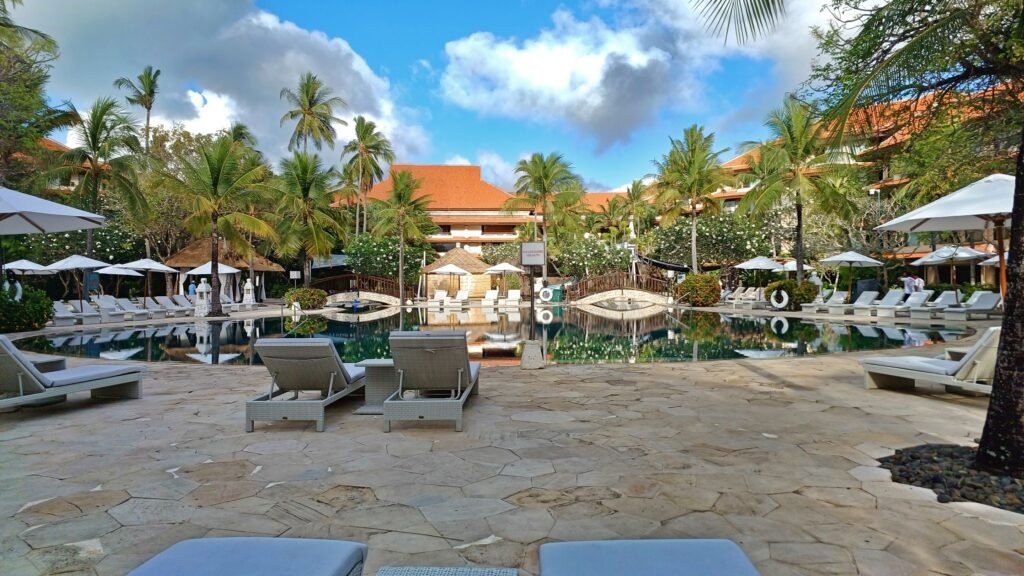
A private island resort checklist sounds simple. In practice, it is the fastest way to avoid the mistakes that make a high-end island stay feel stressful, disconnected, or overpriced. This guide shows you how to compare transfers, privacy, dining, weather backup, villa layout, and service details before you commit to a premium booking.
Because private island resorts look similar in glossy photos, many travelers focus on the beach and miss the real trip-shaping details. However, the transfer chain, meal setup, room position, and cancellation rules often matter more than the hero image. Therefore, use this private island resort checklist as a booking filter, not just a packing reminder.
Quick answer: what matters most on a private island resort checklist?
- Start with the final transfer, not the villa photo. The last leg often decides whether arrival day feels smooth or rushed.
- Check island size and movement patterns. A tiny island can feel intimate, while a larger island can feel calmer if you want space.
- Ask exactly what privacy means. Some villas are visually secluded, while others are close to paths, docks, or neighboring decks.
- Read dining rules in plain language. Credits, meal plans, kids’ pricing, and restaurant closures change the real value fast.
- Book the scarce items first. That usually means transfer windows, the right villa orientation, and any must-have dining or childcare support.
What belongs on a private island resort checklist?
The best private island resort checklist covers five areas: access, room fit, privacy, dining, and operational friction. First, ask how hard it is to reach the island after your long-haul flight. Next, confirm whether the villa type actually matches the way you vacation. Then, test how private the stay really feels in daylight and at night. After that, review what food, drinks, and service rhythms are easy on site and what still creates effort. Finally, look at backup plans for weather, illness, or late flight changes.

Free download: Luxury Trip Planning Checklist
Shortlist premium stays faster with a calm, high-signal checklist.
In other words, this is not a fantasy checklist. It is a decision checklist. If a resort answers these questions well, you are far more likely to enjoy the setting you are paying for. If the answers are vague, keep comparing.
| Checklist area | What to confirm | Why it matters | Best for |
|---|---|---|---|
| Access | Boat, seaplane, helicopter, or charter timing; luggage rules; cutoff times | Prevents missed same-day arrivals and stressful overnight buffers | Travelers arriving on long-haul or complex multi-leg trips |
| Villa fit | Beach vs. overwater; plunge pool; sunrise vs. sunset; indoor-outdoor layout | Changes comfort, privacy, and how much you use the room | Couples, honeymoons, milestone stays, and family split-room decisions |
| Privacy | Sightlines, buggy paths, neighboring decks, beach foot traffic, drone exposure | Luxury value drops quickly if you feel observed all day | Travelers paying a premium for quiet and space |
| Dining rhythm | Restaurant count, meal plan rules, advance bookings, dietary flexibility | Affects both cost and how relaxing the trip feels after day two | Food-focused travelers and families with structured schedules |
| Operational backup | Weather delays, medical support, childcare backup, cancellation windows | Shows how resilient the trip is when reality changes | Remote destinations, shoulder season stays, and family trips |
How do you use a private island resort checklist for transfers?
The first transfer question is simple: how many steps sit between the international airport and your room key? Some islands are a short scheduled boat ride from a main resort pier. Others need a domestic flight plus a speedboat. A few ultra-premium properties depend on daylight-restricted seaplanes or property-arranged charters. Therefore, do not compare islands as if the travel day is identical.
Your private island resort checklist should capture the full chain in writing. Ask when the final transfer stops for the day, how long baggage may wait, and whether weather can push arrival to the next morning. Also ask who meets you at each handoff. Luxury feels very different when a property owns the arrival sequence versus when you are left to coordinate separate counters, boats, and schedules yourself.
Official property pages are useful here because they show how varied the final leg can be. Four Seasons Private Island Maldives at Voavah, for example, is part of a highly curated arrival flow rather than a simple airport taxi ride. Likewise, Four Seasons Voavah, The Brando, and Islas Secas all remind travelers that the final approach is part of the product, not a side detail.
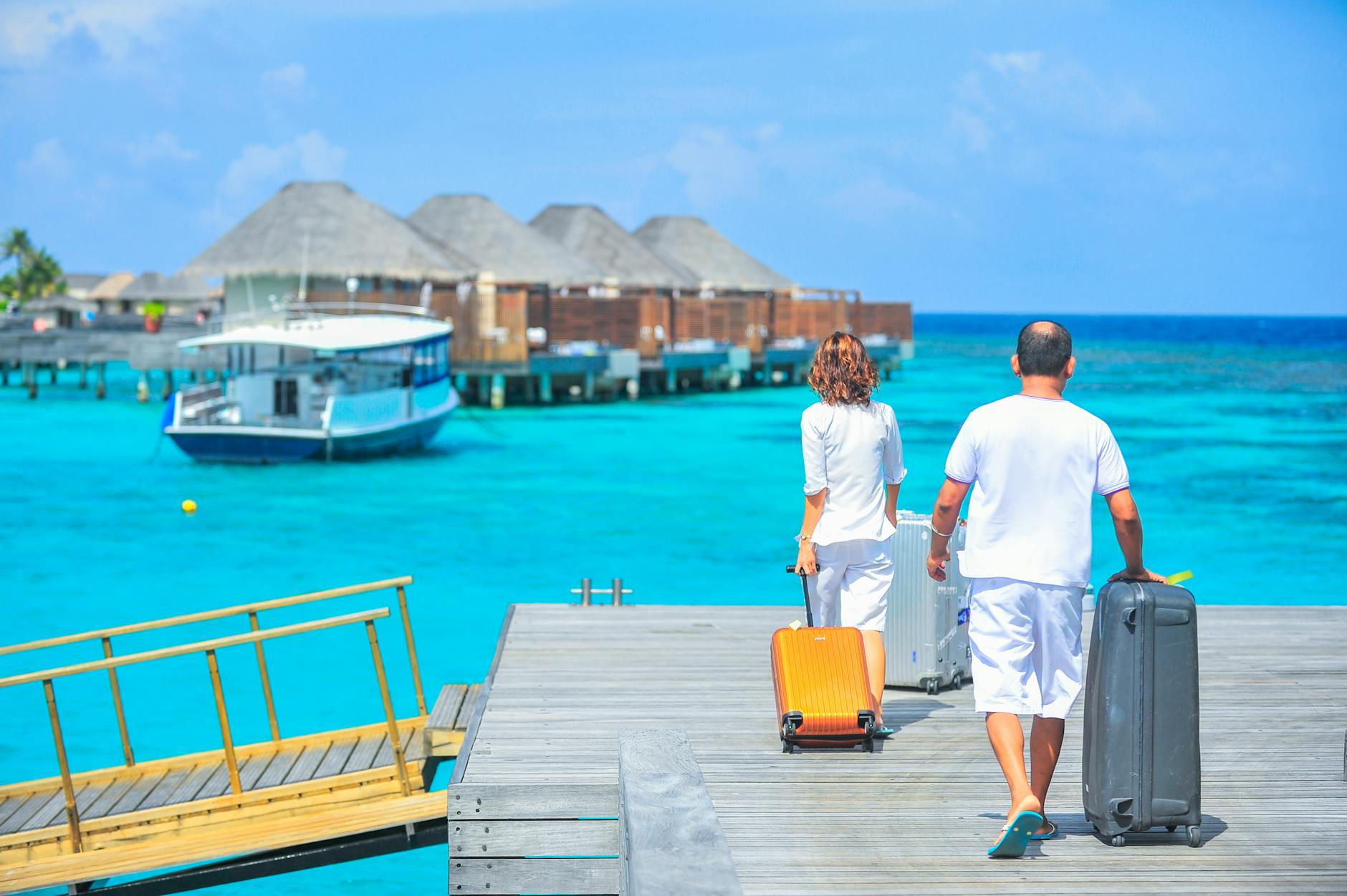
Photo credit: Asad Photo Maldives via Pexels. Licensed for free use with attribution per Pexels terms.
Transfer questions to ask before you pay a deposit
| Question | What a strong answer sounds like | What should worry you |
|---|---|---|
| What is the final transfer chain? | Clear sequence with timing estimates and named handoff points | Vague phrases such as “easy access” without specifics |
| What is the last same-day arrival time? | Exact cutoff tied to your arrival airport and season | No commitment until after booking |
| What happens if my inbound flight is late? | Written fallback plan and who covers the buffer hotel if required | “It depends” with no policy |
| How much luggage is practical? | Specific guidance for soft bags, golf bags, strollers, or excess luggage | No limits mentioned on light aircraft or boats |
| Can I arrive and depart without losing most of a day? | Late checkout, lounge access, or a timed boat plan | Early checkout with hours of waiting and no day-use option |
If your trip includes children, older relatives, or an overnight arrival, put transfer ease ahead of villa glamour. A resort that looks slightly less dramatic online can deliver a much better real trip if it removes stress from the first and last day. Meanwhile, a spectacular island can feel expensive in the wrong way if you spend two calendar days just reaching it.
Which room types matter on a private island resort checklist?
A private island resort checklist should never stop at “beach villa or overwater villa.” Those labels hide the real differences. Instead, ask how the room sits on the island, what the deck faces, how much foot traffic passes nearby, and whether shade, wind, tide, or marine access change by location. Because island stays revolve around the room more than city stays do, small placement choices have a huge effect.
First, decide what kind of privacy you want. Some travelers want a villa hidden by planting, with easy beach access and no long walks. Others want open-water views and a dramatic deck, even if that means more exposure to neighbors or wind. Next, decide whether you value a plunge pool, direct swim ladder, indoor living room, or second bedroom more than the “headline” villa category. Finally, ask for the part of the island or jetty that best fits your pattern: sunrise, sunset, quiet end, or close to dining.
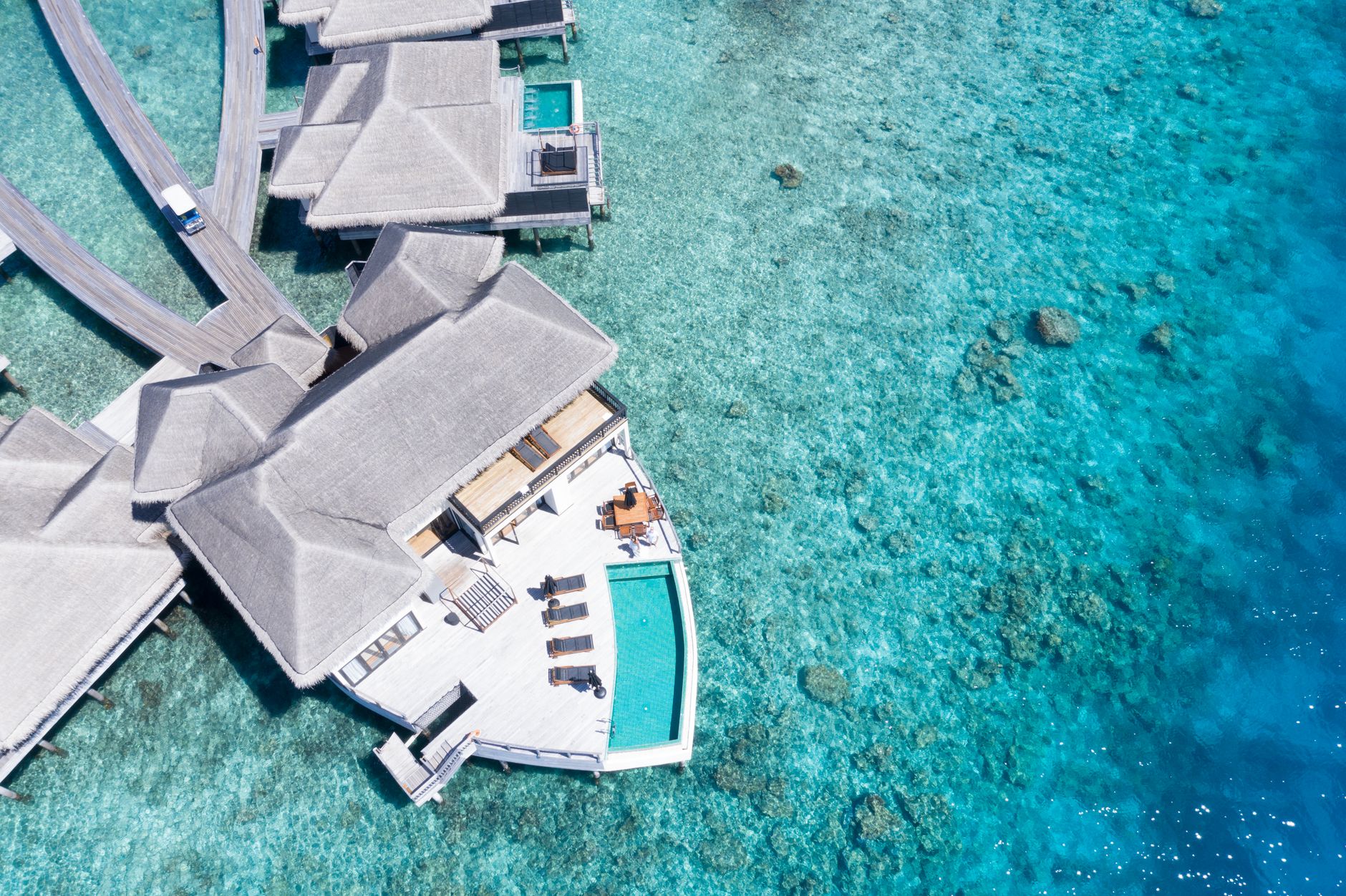
Photo credit: Asad Photo Maldives via Pexels. Licensed for free use with attribution per Pexels terms.
Private island resort checklist: compare villa types side by side
| Villa style | Usually strongest for | Watch-outs | Upgrade advice |
|---|---|---|---|
| Beach villa | Easy access, natural shade, family practicality, feeling grounded | Beach walkers, service traffic, variable sea views | Upgrade for larger outdoor space or more secluded landscaping |
| Overwater villa | Direct lagoon access, dramatic views, iconic honeymoon feel | Wind, noise, heat, and less visual privacy on busy jetties | Prioritize orientation and end-of-jetty placement over square footage alone |
| Residence / private home | Long stays, families, hosted celebrations, staff support | Very large price jump and sometimes more formal service rhythm | Worth it only if you will use the living space, extra pool zone, or included host team |
| Pool villa | Couples who spend time in-room and want a private cool-down space | Pool may be decorative if the lagoon or beach already suits your routine | Choose this after you lock privacy, orientation, and transfer ease |
For many travelers, the smartest move is to pay for position before category. A well-placed beach villa can feel more exclusive than a premium overwater unit in the middle of a busy pier. Similarly, an entry-level villa on the right side of the island can beat a larger unit exposed to wind or foot traffic. Therefore, put room number range, map location, and natural screening on your private island resort checklist every time.
How do you read the island map before you compare square footage?
A private island resort checklist works best when you treat the map like a second room description. Look for marina zones, dive centers, arrival jetties, family pools, sunset bars, and service corridors. Then ask how close each villa category sits to those activity zones. In many resorts, the most expensive category is not the quietest category. Instead, it may simply be larger, newer, or paired with a more photogenic deck.
Map reading also helps you spot hidden tradeoffs. A beach villa near the spa may feel blissfully calm for a couple but inconvenient for a family that visits the main pool twice a day. By contrast, a central villa can feel practical and easy even if it is slightly less dramatic on arrival photos. Therefore, add one final map question to your private island resort checklist: which room location will feel easiest at 8 a.m., 2 p.m., and 9 p.m., not just at golden hour?
How private is private at a private island resort?
“Private island” does not automatically mean “private villa.” The island may be secluded from the outside world, yet your own room can still sit beside a service lane, a buggy turn, a snorkeling ladder, or a popular sunset photo point. That is why your private island resort checklist needs a separate privacy check.
Confirm whether anyone can see your plunge pool from the water, the next deck, or a higher path. Then check whether beach loungers line the shore in front of your villa. Housekeeping carts, buggy turns, and shared jetty density matter too, because density changes the feel more than marketing language does. If the resort cannot answer directly, study aerial views and guest photos instead of relying on one perfectly framed hero shot.
- Outward-facing jetties often suit travelers who care more about openness than convenience.
- End-position decks usually reduce direct sightlines from neighboring rooms.
- Beach villas with mature planting can beat overwater units when shade and seclusion matter most.
- Larger islands often work better when you want multiple beaches, quiet walking routes, and fewer repeated faces.
If privacy is your top goal, pair this guide with our advice on villa privacy at luxury resorts. That article goes deeper on sightlines, real-photo cross-checking, and why a floorplan can tell you more than a brochure sentence.
What should a private island resort checklist say about dining?
Dining shapes the trip more than many buyers expect. On a private island, you cannot easily walk off-property if the menu is repetitive, the restaurant schedule is thin, or the drinks package is narrower than the website implied. Therefore, your private island resort checklist should answer four dining questions before you book.
First, how many distinct dinner experiences exist for the number of nights you plan to stay? Second, how many of those require advance booking or extra supplements? Third, how easy is it to eat around dietary restrictions, kids’ timing, or late arrivals? Fourth, what is the true difference between room-only, breakfast, half board, full board, or all-inclusive on this exact island?
These questions matter because private island resorts often concentrate value in convenience, not just food quality. If the island is remote, a plan that looks expensive up front can feel fair once you price cocktails, lunch by the pool, and a long dinner every night. On the other hand, a glamorous package can disappoint if the best restaurant is always extra or closed on key nights. That is why comparing meal structures matters as much as comparing room photos.
- Request sample menus, not just restaurant names.
- Confirm whether all guests can book every venue or whether some are tied to villa tier or package.
- Check whether in-villa dining is widely available or only during narrow windows.
- Clarify whether dietary requests need advance notice and whether a chef or butler coordinates them.
If you are unsure how to compare meal plans, our guides on half board vs. full board vs. all-inclusive and dietary restrictions at luxury resorts can help you turn menu language into real trip value.
What service details separate a seamless stay from an expensive hassle?
Luxury buyers often compare hard features and forget the soft systems. However, service systems are what turn an island stay into either a smooth retreat or a constant series of small frictions. Your private island resort checklist should cover response time, buggy availability, in-villa setup, beach service, childcare rhythm, and departure support.
Confirm whether you will have a host, a butler, a shared guest-experience team, or standard front-desk support. Then define what that person can actually do. Some hosts can reserve dining, fix boat times, set up anniversary touches, and coordinate spa changes. Others mainly greet you and hand issues to separate teams. Because marketing titles vary, focus on functions, not labels.
Next, look at movement around the island. If the island is spread out, buggy response time matters. If you are traveling with children, ask how far the family-friendly beach is from the villa and whether the kids’ club sits near dining or on the opposite side of the property. Likewise, if quiet matters, ask whether evening events sit close to your room type. Seemingly small logistics drive satisfaction on remote islands because every inconvenience repeats.
Finally, ask how the property handles the last morning. The best islands protect the feeling of the trip until the end. That can mean a timed buggy plan, a lounge before the transfer, light food between checkout and departure, and clear baggage handling. By contrast, a chaotic final handoff can undo the calm you paid for.
What happens if weather, timing, or health issues change the plan?
A strong private island resort checklist includes backup questions. Tropical wind, rough sea, heavy rain, and late aircraft can change the final transfer. Meanwhile, remote islands vary widely in medical capability. Therefore, ask these questions before you assume the property will “handle it.”
- Can the final transfer operate after dark, or does it depend on daylight?
- What is the bad-weather alternative if the sea or air leg is delayed?
- Is there a nurse, doctor on call, or medical room on the island?
- What child-specific backup exists for illness, naps, or meal timing?
- What is the practical evacuation plan if something urgent happens?
You are not being dramatic by asking. You are testing whether the resort understands how premium travelers think. Luxury is not just the absence of crowds. It is the presence of competent backup when conditions change.
Likewise, review cancellation and deposit rules with the same rigor you use for villas. Private island stays often require larger deposits and longer cancellation windows than city hotels. If your dates sit near festive season or a shoulder month with weather risk, a flexible rate can be more valuable than a tempting prepay. For a wider strategy view, read our guide to the best time to book luxury resorts.
Private island resort checklist: a simple booking workflow
- Filter by transfer fit. Remove any island whose final leg does not work cleanly with your flights, stamina, or family schedule.
- Choose the right room position. Compare maps, not just categories. Lock orientation, privacy, and practical access first.
- Price the dining and service reality. Add meal plans, supplements, childcare, and any transfer extras so you compare total trip value.
- Book the scarce pieces first. Secure the villa, transfer window, and top dining or childcare requests before you add nice-to-haves.
Affiliate disclosure: Some links in this luxury travel guide may be affiliate links. If you book or buy through them, Silk Harbor Travel may earn a commission at no extra cost to you.
When you have narrowed the transfer style and villa position, compare live resort availability next so the checklist stays grounded in real options. Check private island luxury resort availability on Trip.com.
Who should use this private island resort checklist, and who should skip the island concept?
Best for: couples who want controlled privacy, travelers celebrating something meaningful, families who value a contained environment, and time-poor planners who prefer a fully managed final leg. Private island resorts also work well for guests who want to stay put and enjoy the room, beach, and dining as the trip itself.
Skip or rethink if: you get restless without independent dining and exploring, you dislike rigid transfer windows, or you want major off-property sightseeing every day. In those cases, a mainland luxury resort or a smaller boutique hotel with easy local access may deliver more freedom at the same spend level.
That does not mean the island model is wrong. It simply means your private island resort checklist should protect you from buying the wrong luxury style. A remote island is a format, not a trophy.
Private island resort checklist: what to book first
- The correct transfer window. If the last boat or seaplane does not work, nothing else matters.
- The right villa position. Orientation, privacy, and distance from key facilities usually beat generic square-footage upgrades.
- Any must-have dining slots or meal plan. This matters most on stays of four nights or more.
- Special support requests. Childcare, accessibility, allergy coordination, and celebration setups should be confirmed early.
- A flexible backup plan. Late checkout, day use, or buffer-night options protect the departure day.
Once these are locked, add spa reservations, excursions, and decorative extras. That order keeps the money focused on what changes the trip most.
It also protects you from the most common premium-travel mistake: spending upgrade money too early on something photogenic and too late on something operational. A sunset deck upgrade feels wonderful when the transfer, dining rhythm, and room placement already work. Without those basics, the same upgrade can feel like expensive wallpaper. That is why this private island resort checklist starts with friction control and only later moves to polish.
Helpful video on island-villa tradeoffs and room choice
Watch the room-choice reference video: WordPress privacy tooling may block embedded YouTube players before consent. Use the fallback link to review island villa and overwater stay visuals while comparing room position, privacy, and deck exposure.
Watch the island villa reference video on YouTube.
FAQ: private island resort checklist questions travelers ask first
What is the most important part of a private island resort checklist?
The transfer plan is the most important part. First, make sure the final boat, seaplane, or charter fits your real arrival time. Then confirm the villa position. Those two items usually shape the trip more than any decorative upgrade.
How many nights do you need for a private island resort to feel worth it?
Most travelers feel the format works best at four nights or longer. With fewer nights, the transfer effort can take too much of the calendar. However, a shorter stay can still work if the island is very easy to reach and the room is the main event.
Is an all-inclusive private island resort always the best value?
No. It depends on restaurant variety, supplement rules, and how much time you spend on property. A structured meal plan can be excellent value on a remote island, yet a room-only or breakfast rate can win if you barely drink or the resort has frequent off-menu surcharges.
Should I choose a beach villa or overwater villa on a private island?
Choose the setting that matches your routine, not the photo trend. Beach villas often win for practical privacy, shade, and family ease. Overwater villas often win for dramatic views and lagoon access. Position usually matters more than category.
How do I know whether a private island resort is truly private?
Ask about sightlines, jetty density, beach traffic, buggy routes, and where evening activity happens. Also review aerial views and guest photos. Marketing words such as secluded or intimate are not enough on their own.
More luxury travel guides for planning your trip
- Explore our luxury hotels and resorts hub
- Read our overwater bungalow booking tips
- Compare the best time to book luxury resorts