
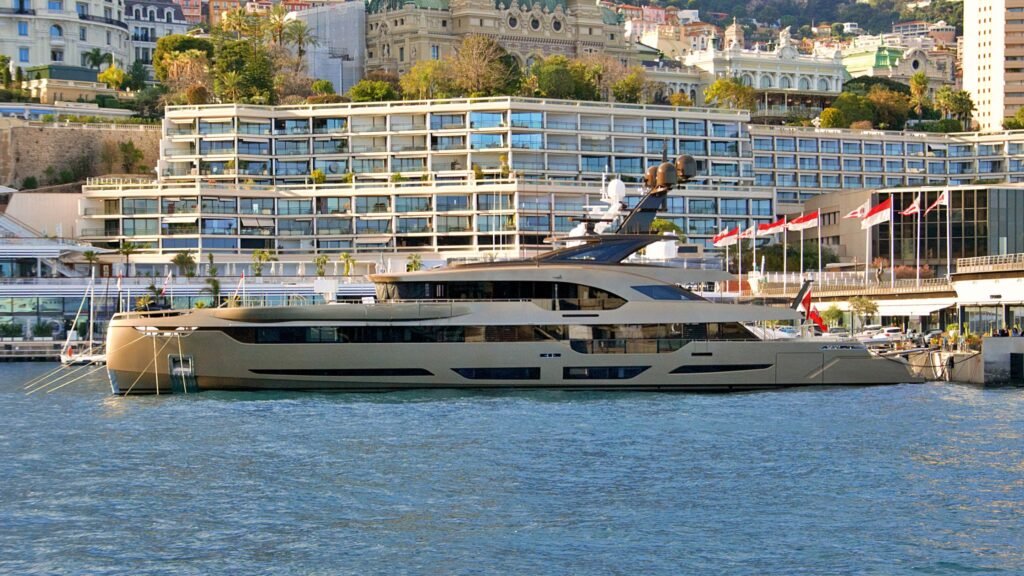
private yacht charter basics matter because a yacht charter is not just a hotel room on the water. You are choosing a vessel, cabin layout, crew style, route, weather window, transfer plan, and contract structure. Each choice affects comfort before it affects glamour.
This guide is for affluent travelers who want the private-yacht experience but do not want to guess their way through the first inquiry. It explains the questions to ask before you commit, the places where terms can change, and the upgrades that are worth discussing early.
The goal is practical. By the end, you should know whether a crewed yacht, skippered yacht, bareboat, or cabin charter fits your trip. You should also know what to check before you send a deposit, including cabins, crew, route pace, APA, transfer timing, and source-backed safety basics.
Free download: Luxury Trip Planning Checklist
Shortlist premium stays faster with a calm, high-signal checklist.
Quick answer: what should first-time charter guests compare first?
Start with the charter type, not the destination photo. A fully crewed charter works best when you want a private floating villa with service. A skippered charter can work when you want sailing involvement but not full responsibility. A bareboat charter belongs to experienced sailors. A cabin charter works when privacy matters less than access.
- Best first step: decide who will operate the yacht and who will cook.
- Cabin test: check true bed size, bathroom access, storage, and noise.
- Route test: choose fewer stops if you want more calm time on board.
- Cost test: separate base charter rate from APA, tax, delivery, gratuity, transfers, and shore costs.
- Safety test: ask how the captain handles weather changes and night watches.
How this guide avoids keyword cannibalization
Silk Harbor already has a guide focused on private yacht charter cost. Therefore, this article does not try to replace that page. It uses cost only as one planning checkpoint.
Here, the focus is private yacht charter basics: how cabins, crew, route style, logistics, and booking order shape the trip. If you need a deeper cost breakdown, use the existing cost guide after you understand the charter type.
SEO Booster pass: buyer intent and content direction
The Semrush connector was available in this run, but API units were insufficient. Bing Webmaster still returned fresh Silk Harbor data with yacht-adjacent impressions, including searches around private yacht charter cost and private yacht cruise cost. GSC was blocked by a remote connection failure, and GA4 used its cached 361-row export after a 400 response.
The buyer intent is clear. Searchers want to know what a private charter includes, what crew does, how much flexibility they get, and which questions prevent a bad fit. Competitor pages often explain one operator’s product. However, they rarely give a neutral decision order for a luxury traveler comparing yacht types, cabin comfort, route pace, APA, and transfer friction.
The recommended structure is answer-first. Start with charter type, then cabin layout, crew, route, money structure, contract questions, and a booking workflow. Add tables for mobile scanning. Use FAQ schema for the questions a search assistant can extract. Avoid exact price claims unless the source is visible and current.
What are the main private yacht charter types?
Private yacht charters are often grouped into bareboat, skippered, crewed, and cabin-style trips. The names sound simple, but the travel experience changes sharply between them.
A bareboat charter means you or someone in your group takes responsibility for operating the yacht. The Moorings describes bareboat sailing as a self-navigated charter, and operators commonly require suitable experience. This can be wonderful for skilled sailors. However, it is rarely the right luxury shortcut for a first private-yacht vacation.
A skippered charter adds a professional skipper, but it may not include the same hotel-style service as a fully crewed yacht. It can suit travelers who want sailing time, a local route expert, and more privacy than a cabin trip. Still, meal planning and hosting style need clear discussion.
A fully crewed charter is the classic luxury choice. Helm describes crewed charter as a private-yacht experience with a professional captain and crew. On larger yachts, the team may include a chef, stewards, deck crew, and activity specialists. This is the closest match to a five-star resort that moves each day.
A cabin charter is different. You book a cabin rather than the whole yacht. It can open access to yacht travel, but it is less private. For Silk Harbor’s buyer, it belongs in the comparison only when the traveler wants a taste of yachting without controlling the full boat.
Private yacht charter basics by trip type
| Charter Type | Best For | Skip If | Key Question |
|---|---|---|---|
| Bareboat | Experienced sailors who want full control. | You want hotel-style service or no operating responsibility. | Who is legally and practically qualified to skipper? |
| Skippered | Travelers who want route help but a casual sailing feel. | You expect full meal, cabin, and hosting service. | What exactly does the skipper handle? |
| Crewed | Couples, families, and groups who want premium service. | You prefer a self-sail adventure or lowest complexity. | How strong is the crew match for your group? |
| Cabin charter | Solo travelers or couples testing yacht travel. | You need full privacy or route control. | Who else may be on board? |
How should you choose cabin layout?
Cabins decide whether the charter feels indulgent or cramped. Do not rely on guest capacity alone. A yacht may technically sleep eight guests, but the layout may work best for six adults or a family with children.
First, check bed size. Then check whether the cabin has an en-suite bathroom, standing room, storage, and direct light. Also ask which cabins are near the engine, galley, crew movement, or anchor noise. These details matter more on a yacht than in a hotel because space is compact.
Couples usually prefer one real cabin each, not a convertible berth. Families may accept a twin cabin or bunk cabin for children. However, two adult couples should be careful with “equal” cabins that are not truly equal.

Cabin questions to ask before you pay
- Which cabins are best for adults, and which are better for children?
- Does every guest cabin have an en-suite bathroom?
- Which cabins have the most engine, generator, galley, or anchor noise?
- Can beds convert from twin to double, and who confirms the setup?
- Where can luggage be stored after unpacking?
- Which cabin should the guest of honor use on a milestone trip?
Why the crew often matters more than the yacht
A private yacht charter is intimate. The crew shapes meals, pace, safety, privacy, water toys, route decisions, and how problems feel. Conde Nast Traveler has also noted that the crew is a key ingredient in a successful charter experience. That is consistent with how buyers should think about the trip.
Ask for crew profiles, not just a yacht brochure. A chef who understands dietary needs can change the whole week. A captain who knows quiet anchorages can protect the mood. A steward who reads the group well can make service feel polished rather than intrusive.
Also ask how the crew handles bad weather. A polished itinerary is useful, but a realistic alternate plan is more useful. If the captain says the route may change, that is not a flaw. It is part of safe seamanship.
What should the crew know before arrival?
A strong preference sheet helps the crew prepare without guesswork. Share dietary restrictions, favorite drinks, coffee routines, celebration details, activity comfort, sleep patterns, and privacy preferences. However, keep it honest. A preference sheet should guide the crew, not create an impossible script.
For groups, appoint one lead communicator. That person should handle route changes, meal priorities, and timing questions. Otherwise, the captain may receive mixed instructions from several guests.
Route planning: fewer stops often feel more luxurious
New charter guests often try to visit too many places. That can turn a private yacht into a moving checklist. A better luxury route has a rhythm: one embarkation day, one signature anchorage, one flexible weather day, and one easy final night near the disembarkation point.
The Mediterranean and Caribbean remain popular for first-timers because they have proven cruising grounds, known anchorages, and better access logistics. Still, the best route is not always the most famous one. It is the route that fits your dates, group, weather tolerance, and airport plan.
Ask the broker or captain to label each day by movement level: calm, moderate, or ambitious. Then choose the pace before you choose restaurants. This keeps the trip from becoming too busy.
Route pace comparison
| Route Style | Best For | Tradeoff | Planning Move |
|---|---|---|---|
| Harbor-light | First-timers, families, and guests prone to motion discomfort. | Fewer dramatic long-distance arrivals. | Choose short hops and strong shore options. |
| Balanced | Couples and groups who want both movement and downtime. | Requires weather flexibility. | Build one open day into the route. |
| Ambitious | Experienced charter guests with a specific wish list. | More fuel, more time underway, and more weather risk. | Approve fallback anchorages in advance. |
| Event-based | Grand Prix, festivals, regattas, or milestone dinners. | More marina demand and stricter logistics. | Book berths and arrival transfers early. |
What is APA, and why does it matter?
APA means Advance Provisioning Allowance. It is an upfront fund used for variable expenses during many crewed yacht charters. Helm explains APA as a fund for items such as food, drink, fuel, mooring fees, and operational costs. Windward Yachts describes the same idea as money available to the captain for expenses that arise during the trip.
The important point is simple. The base charter rate may not be the whole trip cost. APA, VAT or local tax, delivery fees, dockage, transfers, shore meals, and crew gratuity can sit outside the headline rate. This guide will not repeat the whole cost article, but you should separate fixed and variable costs before you compare yachts.
Unused APA may be reconciled after the trip, while extra usage may require more funds. Ask how the captain reports expenses and how often you can see the running balance. A luxury trip feels calmer when money rules are clear before embarkation.
Cost and payment checkpoints
| Cost Layer | What It Usually Covers | Question To Ask |
|---|---|---|
| Base charter rate | Use of the yacht for the charter term. | What is included and excluded in writing? |
| APA | Fuel, provisions, marina fees, and variable operating costs. | How is unused APA returned or extra APA collected? |
| Tax or VAT | Jurisdiction-specific charter tax. | Which country or itinerary controls the tax treatment? |
| Transfers | Airport, hotel, tender, or marina handoff logistics. | Who coordinates the arrival and luggage handoff? |
| Gratuity | Optional crew appreciation based on service and norms. | What is customary for this region and yacht class? |
Booking workflow for private yacht charter basics
Private Yacht Booking Flow
- Choose charter type
- Match cabins
- Approve crew fit
- Set route pace
- Confirm costs
Use this workflow before you fall in love with one yacht photo. It follows the order that protects comfort: operating model, sleeping layout, service match, route reality, and money terms.
Where should first-time guests charter?
For a first luxury charter, choose access before novelty. A well-connected embarkation point gives you better flight options, better hotel choices, and an easier backup plan if weather changes the route. That is why many first-time trips start in the Mediterranean, the Caribbean, the Bahamas, or other mature cruising grounds.
A remote route can be extraordinary. However, it adds more pressure to flights, provisioning, weather, and medical access. If the group has older travelers, children, tight work calendars, or a major celebration, a proven route may create a better trip than a remote bragging-rights itinerary.
Also think about the night before embarkation. Arriving the same day can work, but it gives delays too much power. A luxury hotel near the marina can turn the first day from rushed to calm.
Affiliate disclosure and useful booking links
Affiliate disclosure: Some links in this luxury travel guide may be affiliate links. If you book or buy through them, Silk Harbor Travel may earn a commission at no extra cost to you.
For a yacht trip that starts near Monaco or another major harbor, compare a pre-charter hotel night before embarkation. You can check harbor-area hotel availability on Trip.com and then match the stay to your boarding time.
If airport handoff is the weak point, a private transfer can be useful. Silk Harbor converted this supporting offer through Travelpayouts for this article, so you can compare airport transfer options with Welcome Pickups when it fits your route. Skip it when the yacht broker or hotel already includes a better transfer.

What documents and terms should you review?
Ask for the charter agreement, cancellation terms, payment schedule, included equipment list, crew details, insurance expectations, and any destination-specific requirements. If the charter crosses borders, ask who manages customs and immigration steps.
For legal and contractual questions, use the actual agreement and a qualified broker or advisor. Public guides can explain the terms, but they cannot replace the terms attached to your own booking.
Also ask about safety equipment and briefings. Business Insider has reported a superyacht captain’s advice that guests should take the safety briefing seriously and understand crew watch practices. That is practical advice for any traveler who wants comfort and control.
What should you ask a broker before shortlisting yachts?
- Which yacht best fits our group size without using every possible berth?
- Which crew style matches our service preference?
- What route would you suggest if weather is less than ideal?
- What is included in the base rate?
- How is APA handled before, during, and after the trip?
- What are the cancellation and date-change terms?
- Which airport, hotel, and marina handoff is simplest?
Private yacht charter basics for the inquiry call
The first inquiry call should not be a vague wish list. Use it to test whether the broker understands your group, your privacy needs, and the real reason for the trip. A honeymoon charter, family milestone trip, and client-hosting charter may all need different yachts even if the destination is the same.
Open with the non-negotiables. State the number of adults, children, preferred sleeping setup, celebration dates, food limits, activity hopes, flight windows, and whether anyone is sensitive to motion. Then ask the broker to explain the tradeoffs out loud. The best answer usually includes what you should not book, not only what looks available.
These private yacht charter basics also protect you from overbuying. A larger yacht can feel impressive, but it may add marina limits, fuel exposure, and a more formal crew rhythm. A smaller crewed catamaran can feel more relaxed, but it may not suit guests who expect large cabins and hotel-style separation. The right yacht is the one that fits the group dynamic.
How private yacht charter basics change for couples, families, and groups
Couples should prioritize privacy, cabin quality, food style, and route mood. A romantic charter can fail if the route is too busy or the crew style feels too present. Therefore, ask how service works during quiet time, meals, and shore stops.
Families should prioritize stability, cabin assignments, water safety, and short transfer days. If children are joining, ask about railings, water toys, swim supervision, meal timing, and whether the route has calm anchorages. Also ask whether the crew has experience with family charters.
Friend groups should focus on equal cabins, shared spaces, music expectations, alcohol preferences, and who makes decisions when plans change. In many groups, the biggest risk is not the yacht. It is mismatched expectations. Clear private yacht charter basics make the trip easier because everyone understands the rules before boarding.
Client or celebration charters need even more structure. Ask about dining flow, privacy for speeches or calls, luggage handling, marina access, and whether the yacht can support the event without feeling crowded. If the trip has one important dinner, plan the route around that dinner instead of treating it as an afterthought.
Red flags before a private yacht charter deposit
A deposit should come after clarity. Slow answers are not always a problem, but vague answers are. If the broker cannot explain what is included, who is on crew, how APA is handled, or what happens if weather changes the route, pause before paying.
Another red flag is a cabin plan that uses every berth to make the yacht fit. That may work for children, but it often disappoints adults. Also be careful when the itinerary depends on long daily runs without a weather buffer. Luxury is easier when the route has room to breathe.
The last red flag is pressure around price without context. A yacht can be cheaper because the dates are soft, the route is easy, or the owner wants bookings. However, it can also be cheaper because the layout, crew fit, location, or terms are weaker. Use these private yacht charter basics to ask why the offer makes sense.
Final private yacht charter basics checklist
- Confirm the charter type: bareboat, skippered, crewed, or cabin.
- Match cabins to real adults and children before comparing photos.
- Review crew profiles and ask how they handle privacy, meals, and weather.
- Choose a route pace with at least one flexible day.
- Separate base rate, APA, tax, transfers, delivery, and gratuity.
- Save the cancellation terms and payment schedule before deposit.
- Plan the hotel, airport, and marina handoff as part of the charter, not after it.
If those private yacht charter basics are clear, the rest of the planning becomes easier. You can compare yachts with the same lens, avoid a weak cabin match, and choose a route that gives the crew room to deliver the trip well.
Best for and skip if
| Choice | Best For | Skip If |
|---|---|---|
| Crewed motor yacht | Service-led trips, families, celebrations, and faster routing. | You want quiet sailing texture or lower fuel exposure. |
| Crewed sailing yacht | Romantic routes, calmer pace, and guests who enjoy sailing. | You need maximum interior volume or speed. |
| Catamaran | Families, beach access, stability, and casual deck living. | You want a classic superyacht feel. |
| Bareboat | Qualified sailors who want independence. | You want luxury service, chef planning, and no operating burden. |
Helpful video: how to charter a yacht
This third-party video gives a general overview of how yacht chartering works. Use it as background, then verify every detail against your broker, contract, and itinerary. If consent settings block the player, use the direct YouTube link below.
Watch the yacht charter basics video on YouTube.
Common mistakes to avoid
- Choosing the yacht before confirming cabin comfort.
- Planning too many stops for a first route.
- Comparing base rates without APA, tax, transfers, and gratuity.
- Ignoring weather alternatives until the captain needs to change plans.
- Sending a deposit before the cancellation and payment schedule is clear.
- Assuming the prettiest yacht photo means the best crew match.
Source-backed planning notes
For charter type definitions and product differences, compare operator explanations from The Moorings, Dream Yacht Charter, and Helm. For APA, compare Helm and Windward Yachts because they explain the same variable-expense concept in plain language. For first-timer planning, Conde Nast Traveler’s chartering guide is useful because it stresses broker fit, crew quality, and proven cruising grounds.
Use these sources as planning context, not as a substitute for your own charter agreement. Terms vary by yacht, region, season, tax treatment, and operator.
Useful source links: The Moorings bareboat charter overview, The Moorings crewed charter overview, Dream Yacht Charter product overview, Helm crewed yacht charter guide, Helm APA explainer, Windward Yachts APA explainer, and Conde Nast Traveler beginner charter guide.
More luxury travel guides for planning your trip
For a deeper money discussion, read Private Yacht Charter Cost. For city-specific charter ideas, compare Luxury Boat Rental Miami and Luxury Boat Rental NYC. For pre-trip arrival polish, read VIP Airport Transfer Options.
FAQ: private yacht charter basics
What is the easiest private yacht charter for a first trip?
A crewed charter in a proven cruising ground is usually easiest because the captain, chef, and broker handle the route, meals, and daily logistics.
How many cabins should I book on a private yacht charter?
Book by real sleeping comfort, not by the maximum guest count. Couples usually need one proper cabin each, while families should check berth size, bathroom access, and noise.
What does APA mean on a yacht charter?
APA means Advance Provisioning Allowance. It is an upfront fund for variable costs such as fuel, food, drinks, marina fees, and local operating expenses.
Should first-time charter guests choose bareboat or crewed?
Most luxury first-time guests should choose crewed unless they already have the sailing experience, licenses, and confidence to manage the boat and route.
When should I book a private yacht charter?
Book earlier for peak Mediterranean and Caribbean weeks, larger groups, special cabin needs, and milestone trips. More flexible dates can wait longer.
Bottom line
private yacht charter basics are not about memorizing nautical terms. They are about choosing the right operating model, sleeping layout, crew match, route pace, and payment structure before the trip becomes expensive to change.
For most luxury first-timers, the safest path is a crewed yacht in a proven cruising ground, with realistic cabin assignments and a slower route. Ask the practical questions early. Then use the yacht, crew, and itinerary that make the trip feel calm, private, and well run.