
>
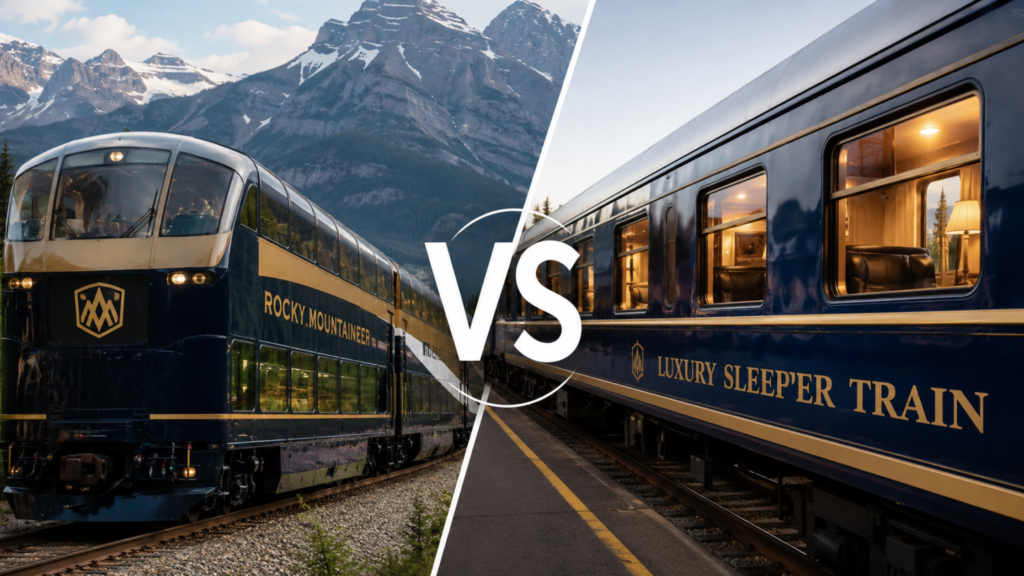
If you are comparing Rocky Mountaineer vs luxury sleeper train, you are deciding between two very different styles of luxury rail. One is daylight sightseeing with hotel nights off the train. The other is classic overnight rail with private cabins and onboard sleeping. Both feel special. However, they suit different routes, seasons, and travel styles.
Key takeaways for luxury travelers
- Rocky Mountaineer runs only by day. You sleep in hotels at night. Scenic time is maximized in daylight.
- Luxury sleeper trains include private cabins or suites. You sleep on board while the train moves overnight.
- Choose by route, season, privacy, and service style. Also match your cabin to how much space and ensuite access you want.
- Upgrades that deliver: GoldLeaf on Rocky Mountaineer for glass-domes and outdoor vestibules; true suite cabins on sleepers for private bathrooms and more space.
Rocky Mountaineer vs luxury sleeper train: quick answer
Pick Rocky Mountaineer if you want relaxed daylight sightseeing, chef-led meals, and restful hotel nights in the Canadian Rockies or the U.S. Southwest. Instead, pick a luxury sleeper if you want the romance of overnight rail, private cabins, and the rhythm of waking up in a new place. Therefore, your first decision is whether you want to sleep off the train or on it.
| Decision factor | Rocky Mountaineer (daylight) | Luxury sleeper trains (overnight) |
|---|---|---|
| Where you sleep | Premium hotels off the train | Private cabin/suite on board |
| Scenic time | All daylight hours | Some daylight, some overnight |
| Privacy | Assigned seats by day; hotel room at night | Cabin is always yours |
| Cabin types | GoldLeaf/SilverLeaf seating | Compartments, cabins, or suites |
| Inclusions | Meals and drinks on board by day; hotel nights vary by package | Often meals, and on some trains drinks and guided stops |
| Routes | Canadian Rockies; U.S. Rockies–Red Rocks | Europe, Peru, South Africa, Australia, and more |
Is the Rocky Mountaineer a sleeper train?
No. It is a daylight luxury rail journey. The operator is clear that trains travel only by day, and guests sleep in hotels off the line at night. As a result, you never miss mountain views. See the official overview for what to expect and current routes from the company’s site: Rocky Mountaineer – What to Expect. Moreover, this is the core difference in Rocky Mountaineer vs luxury sleeper train.
Free download: Luxury Trip Planning Checklist
Shortlist premium stays faster with a calm, high-signal checklist.
Where you sleep on Rocky Mountaineer nights
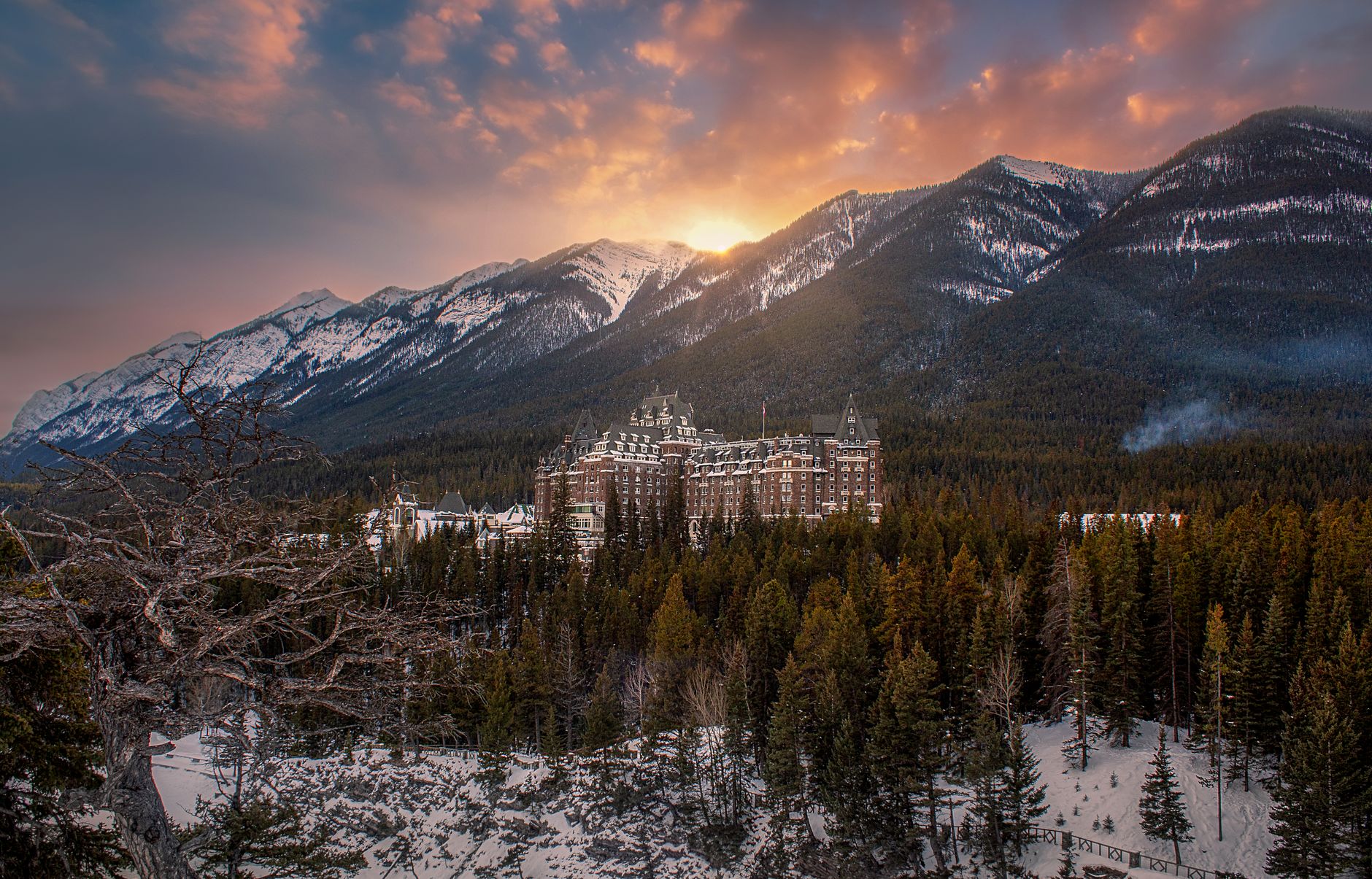
On Canadian routes, hotel nights might be in Banff, Lake Louise, Kamloops, or Jasper, depending on itinerary. On the U.S. route between Denver and Moab, nights are also in hotels along the way. Because you are off the train, you can add spa time, a fine dinner, or a short evening stroll before bed.
What does sleeping on board feel like?
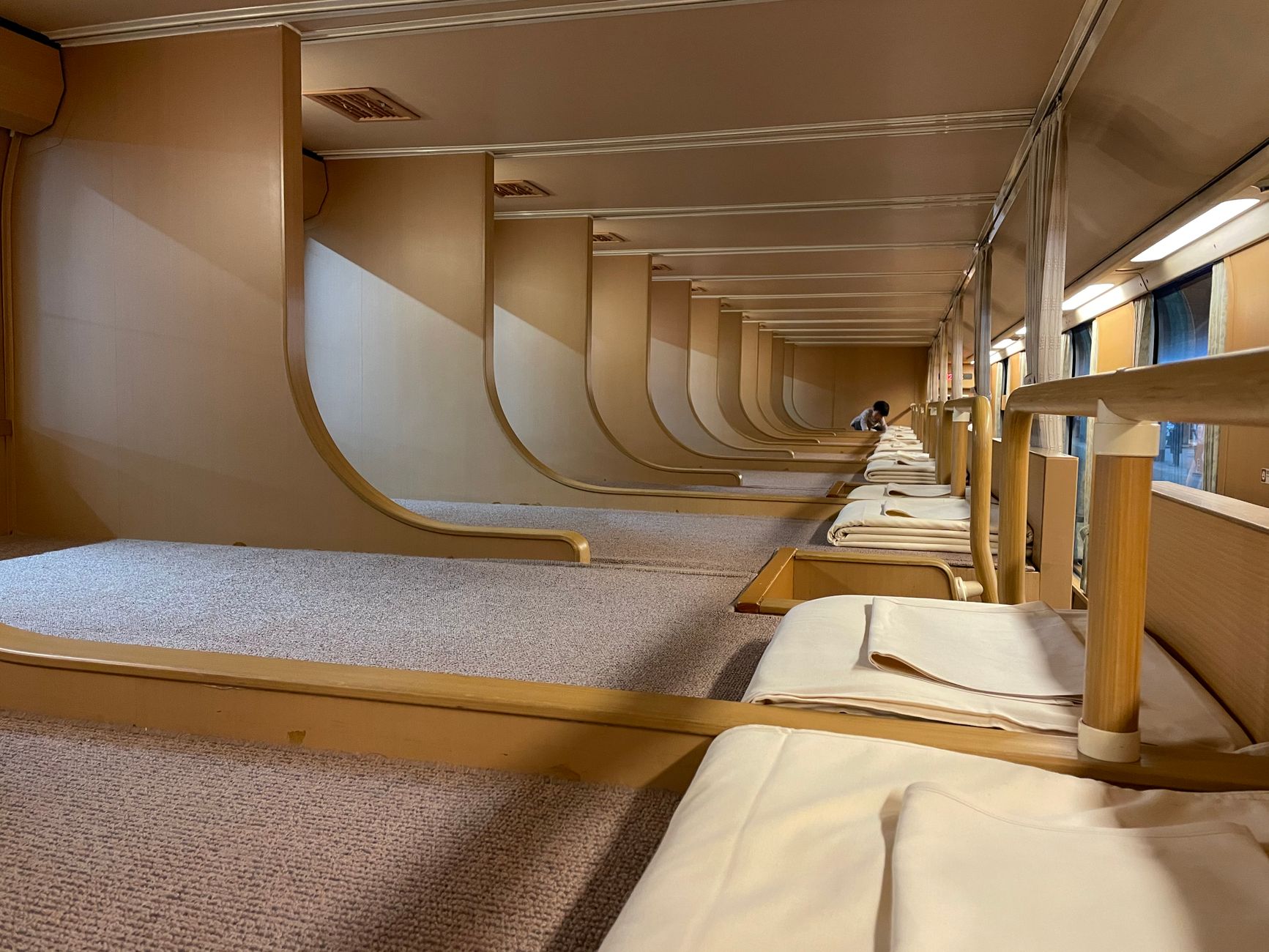
On a luxury sleeper, your private cabin is your lounge by day and your bedroom by night. Attentive staff make up your bed after dinner. Meanwhile, you drift to sleep as the rails hum in the background. In higher cabin categories, you also have an ensuite shower and more space to dress and unwind.
Which routes match your travel goals?
Start with geography. Because route dictates scenery and season, it is your most important choice. When you weigh Rocky Mountaineer vs luxury sleeper train, route decides season first.
Daylight luxury: Canadian Rockies and the U.S. Southwest
- Canadian Rockies: Vancouver to Banff/Lake Louise or Vancouver to Jasper. Think glaciers, bright rivers, and high passes. Official route details are updated here: Rocky Mountaineer.
- Rockies to the Red Rocks (U.S.): Denver to Moab. Expect canyons, desert palettes, and long river curves in full sun.
These work best if you prize constant daylight views and want flexibility with hotel brands, room types, and after-dinner plans.
Overnight luxury: Europe, Peru, Africa, and Australia
- Europe: The Venice Simplon-Orient-Express links cities like Venice, Paris, and Vienna in vintage art-deco style.
- Peru: The Andean Explorer crosses the altiplano with suites and an observation car.
- South Africa: The Blue Train offers butler service between Pretoria and Cape Town.
- Australia: The Ghan is an all-inclusive epic between Adelaide, Alice Springs, and Darwin with off-train experiences.
- Canada cross-country: VIA Rail’s The Canadian offers Sleeper Plus and Prestige cabins from Toronto to Vancouver (a premium sleeper, not a day-only product).
These are best if you want a private cabin, the ritual of dressing for dinner, and the joy of waking up in motion.
How the service and space actually differ
On Rocky Mountaineer, you choose between SilverLeaf and GoldLeaf. Both include hosted seating, storytelling, and chef-prepared meals served at your seat or in a dining level. GoldLeaf adds bi-level dome cars, a dedicated dining room, and an outdoor viewing platform. Also, beverage service is enhanced in both classes and varies by package.
On luxury sleepers, service depends on the operator and cabin type. For example, suites on The Ghan include spacious seating by day, a full-size bed by night, and access to premium lounges, with meals, beverages, and off-train experiences included on core packages. Meanwhile, cabins on Venice Simplon-Orient-Express emphasize period elegance, fine dining, and attentive stewards. Because cabins and inclusions vary, confirm details on each train’s official site before you book.
Who should pick which style?
| Traveler type | Best fit | Skip if… |
|---|---|---|
| Scenery-first photographers | Rocky Mountaineer for guaranteed daylight views and outdoor vestibules on GoldLeaf | You want private overnight space on board |
| Romance and occasion | Luxury sleeper suites with private dining and classic bar cars | You prefer large hotel suites every night ashore |
| Multi-generational groups | Rocky Mountaineer for easy boarding, daylight travel, and hotel flexibility | Your group needs everyone close together overnight on board |
| Rail enthusiasts | Both. Do Rocky for scenery; do a sleeper for historic style | You dislike motion at night (then choose Rocky) |
How we compared the experiences
We anchored this guide to route quality, daylight vs overnight rhythm, cabin privacy, dining, and service level. We also looked at realistic upgrade value, such as whether a dome car or a suite changes your day. Because those factors drive satisfaction, they should lead your decision on Rocky Mountaineer vs luxury sleeper train.
Cabins and seating: what changes when you upgrade?
Rocky Mountaineer seating
- SilverLeaf: Single-level dome-style picture windows, hot meals at your seat, hosted service.
- GoldLeaf: Bi-level full glass-domes, a dedicated dining room below, and an outdoor viewing platform.
Upgrade guidance: If you care about wide-angle photos or moving outside for fresh air, choose GoldLeaf. Therefore, make this your first add-on if you are weighing options.
Luxury sleeper cabins
- Classic compartments: Day sofas convert to beds; shared or private facilities vary by train.
- Cabins with ensuite: Private toilet and shower in-suite; more storage and seating.
- Full suites: Separate lounge and bedroom areas on select trains; best privacy and comfort.
Upgrade guidance: Choose an ensuite cabin or suite if you want space to dress, a private shower, and fewer nighttime trips down the corridor.
| Product | Core option | Premium upgrade | What you gain |
|---|---|---|---|
| Rocky Mountaineer | SilverLeaf (hosted seating) | GoldLeaf (bi-level dome + dining room) | Outdoor vestibule, bigger dome windows, and a separate dining level |
| VSOE / Blue Train / The Ghan | Compartment or cabin | Suite or top cabin category | Private shower, more space, and enhanced service or lounge access |
When should you go?
Season shapes scenery and daylight. Because Rocky Mountaineer runs in spring through fall, you see long days and high-contrast peaks in the Canadian Rockies. Meanwhile, the Denver–Moab route brings rich desert palettes that glow at golden hour. On luxury sleepers, timing depends on the region:
- Europe: Spring and fall bring mild weather and classic city hops on VSOE.
- Peru: Dry-season months offer clearer Andean views on Andean Explorer.
- South Africa: The Blue Train pairs well with shoulder seasons for fewer crowds at either end.
- Australia: The Ghan’s winter months deliver cooler Red Centre travel and strong light.
Therefore, align your route with your light and temperature preferences first. Then pick your cabin.
What to book first (and what to skip)
- First lock the route and dates. Daylight coverage and weather come first.
- Next choose your cabin or seating class. Privacy and views define the experience.
- Then add pre/post stays in a resort or city hotel that fits your arrival and departure.
- Finally, add special dining, spa time, or guided activities that match the pace.
Skip extras that fight the flow. For example, do not overpack back-to-back tours into the same daylight hours you want free for dome-car time. Consequently, this sequence works for Rocky Mountaineer vs luxury sleeper train alike.
Simple booking workflow you can trust
First: Choose your region and route.
Second: Decide daylight only (Rocky Mountaineer) or overnight cabin (sleeper).
Third: Match season to scenery and daylight.
Fourth: Pick cabin/seating: GoldLeaf vs SilverLeaf, or suite vs cabin.
Fifth: Add 1–3 nights pre/post where it helps transfers and pacing.
Use this flow to narrow your shortlist on Rocky Mountaineer vs luxury sleeper train in minutes. Then confirm current inclusions, cabin layouts, and exact schedules on official sites before you pay.
Mistakes to avoid
- Booking by price alone. Instead, buy the view, the space, and the rhythm you want.
- Ignoring daylight length. Because light changes by month, it can make or break your photos.
- Underestimating luggage needs. Pack so you can move the essentials quickly in cabins.
- Skipping travel insurance. Complex rail trips cross regions and seasons.
- Deciding late on hotels. Gateway rooms near peak dates can sell out before rail space.
- Starting with add-ons. First define Rocky Mountaineer vs luxury sleeper train goals; then assign budget.
See the experience on board
If the video does not load, open it here: Watch on YouTube.
Route and cabin planning with real examples
Canadian Rockies daylight highlights
Expect emerald rivers, spiral tunnels, and snow-capped peaks. Because trains travel only in sunlight, you watch the best sections at the right time. For more detail, see the operator’s current route overview: Rocky Mountaineer. These examples show how to decide Rocky Mountaineer vs luxury sleeper train without guesswork.
Overnight icons and what stands out
- Venice Simplon-Orient-Express: Art-deco cars, white-jacket service, and set-piece dining create a dressed-up evening ritual.
- The Ghan: All-inclusive meals, beverages, and off-train experiences pair with deep Outback scenery.
- The Blue Train: Butler service and suites with bath or shower, rolling across the Karoo to Cape Town or Pretoria.
- VIA Rail The Canadian: A premium sleeper with Skyline and Park dome cars, plus Sleeper Plus and Prestige cabins.
Upgrade priorities that are worth it
- GoldLeaf on Rocky Mountaineer for the bi-level dome and outdoor platform. Photos improve. Comfort improves too.
- Suite or ensuite cabin on a sleeper. Privacy, a real shower, and more space are daily joys.
- Extra pre/post nights in gateway cities for smoother flight buffers and better pacing.
Because upgrades touch every hour you are on board, they usually return more value than one-off extras.
Realistic budgets, inclusions, and value drivers
Budget-wise, the question of Rocky Mountaineer vs luxury sleeper train hinges on what is bundled and how much space you buy. Generally, longer routes, peak-season dates, and higher cabin classes raise the price. However, the feel of your trip improves most when money goes to daylight views and sleep quality.
- Inclusions: Daylight journeys include meals on board; hotels are packaged or separate. Sleepers often include meals and, on some lines, drinks and guided stops.
- Cabin or seating class: Seats vs private cabins is the single biggest comfort shift. Moreover, ensuite facilities remove nightly hallway trips.
- Season and length: Shoulder months can stretch budget and light. Meanwhile, short routes free funds for suites.
- Solo travel: Single supplements vary by operator and cabin. Therefore, check solo-friendly offers on official sites.
- Flex rules: Change and cancellation policies differ. As a result, flexible fares can be worth the premium.
| Factor | Daylight (Rocky Mountaineer) | Overnight (Sleepers) |
|---|---|---|
| Primary cost driver | Route length, hotel category, GoldLeaf vs SilverLeaf | Cabin category (compartment vs suite), route length, season |
| What’s usually included | Onboard meals, some drinks; hotels by package | Onboard meals; drinks and tours vary by line |
| Solo traveler impact | Hotel pricing and rail seat cost; modest supplements | Cabin priced per occupancy; supplements can be higher |
| Where to splurge | GoldLeaf dome and a view-forward hotel room | Ensuite cabin or suite for privacy and sleep |
| Flexibility | High: choose hotels and length easily | Moderate: fixed cabin layouts and set schedules |
In practice, spend first where you sit and sleep. Then, add memorable but time-light extras like a tasting menu or a short guided walk at a key stop.
A day on board, hour by hour
Understanding the daily rhythm helps you choose. Therefore, review both styles side by side before you book.
- Daylight flow: Morning boarding, a seated breakfast as rivers and peaks glide past, storytelling and photo stops, a leisurely lunch, then golden-hour scenery before hotel check-in. Finally, enjoy dinner ashore at your pace.
- Overnight flow: A relaxed breakfast in the dining car, sightseeing from your cabin or lounge, lunch and social time in the bar car, a sunset aperitif, then turndown service. After that, you sleep as the train rolls toward the next landscape.
Both are unrushed. However, daylight service emphasizes the window all day, while sleepers add a slower evening ritual and private space.
Route–season matching guide
Light angle, snow lines, and heat all matter. Consequently, match your dates to your scene, not the other way around.
| Goal | Better with Daylight | Better with Sleeper |
|---|---|---|
| Max daylight views | Late spring to early fall in the Rockies | Summer routes with long days and lounge access |
| Cooler temperatures | Shoulder months for clear air | Australia’s winter for Red Centre comfort |
| City-to-city glamour | Not applicable | European classics in spring or fall |
| Wild, open landscapes | Canadian Rockies; U.S. canyons | Peru’s altiplano; Australia’s Outback |
If you chase photos, favor longer days. If you chase dining and downtime, choose routes with well-timed lounge hours and calm evenings.
Sample itineraries you can copy
7 days: Rockies daylight luxury + flexible hotel time
Day 1–2: Arrive Vancouver; rest and explore the waterfront. Next, board Rocky Mountaineer for a two-day daylight journey into the Rockies with a hotel night en route. Then settle into Banff or Lake Louise for two nights. Finally, depart via Calgary.
Why it works: You enjoy all-day views, choose your preferred hotel style, and add soft activities like an easy hike, spa time, or a lake cruise without rushing.
10–12 days: Daylight Rockies + cross-country sleeper
Start with a Rocky Mountaineer daylight route toward Jasper or Banff. Afterward, connect dates to a longer sleeper such as VIA Rail’s The Canadian for a multi-night cabin journey across varied landscapes. Meanwhile, add city nights at either end to buffer flights.
Why it works: You get both styles in one trip—daylight domes and a private overnight cabin—without cramming either experience.
Packing and prep checklist
- Small day bag: Camera, layers, sunscreen, and a power bank.
- Soft luggage: Easier to stow in cabins and hotel rooms.
- Layers: Cars can feel cooler or warmer as light changes.
- Footwear: Grippy soles for station platforms and vestibules.
- Motion comfort: If sensitive at night, pick daylight trips or mid-train cabins.
- Documents: IDs, visas (if needed), and confirmations stored offline.
Keep pack lists short and purpose-led. As a result, boarding and nightly routines feel effortless, whether you pick Rocky Mountaineer vs luxury sleeper train.
Accessibility and motion comfort
Accessibility varies by operator, route, and car. Therefore, confirm lift access, step heights, and cabin door widths on the official site before you book. Moreover, some sleepers offer accessible cabins; availability can be limited and should be requested early.
If you are motion-sensitive, choose daylight runs or cabins near the car center for less movement. Similarly, bring your preferred remedies and hydrate well. Because rest is part of the luxury, small adjustments pay off.
Booking windows, change rules, and insurance
Premium departures can sell out months ahead. Consequently, book early if you need specific cabin types, hotel brands, or peak-season dates. In addition, study change and refund terms. Flex tickets or add-on protection can shield plans when schedules shift.
Finally, consider travel insurance that covers missed connections and delays. While rail is punctual, weather and logistics can ripple through multi-stop itineraries.
How to combine both in one trip
You do not need to pick a single winner in the Rocky Mountaineer vs luxury sleeper train debate. Instead, set a region-first plan, stack a daylight journey with a classic overnight route in the same season window, and link them with an easy flight or a rail connection.
- Pairing idea: Daylight through the Rockies, then a multi-night cabin experience elsewhere during the same holiday period.
- Timing tip: Leave a buffer night between products to absorb any small delays.
- Budget lever: Choose a mid-level cabin for the longer leg and splurge on a suite for the shorter one.
Answering common questions
Which is more luxurious: daylight or sleeper?
Both are luxurious in different ways. Daylight trains feel like an elevated scenic tour with white-glove hosting and fine meals. Sleepers feel like a private club on rails with a cabin you control.
How long should my trip be?
Two to four days works well on Rocky Mountaineer. Meanwhile, one to three nights is common on iconic sleepers. Add one or two pre/post nights in gateway cities for smoother transfers.
Do I lose scenery on sleepers at night?
Some. However, many sleepers time their best vistas for day. The trade-off is a private cabin and the magic of waking up on the move.
More luxury travel guides for planning your trip
- Explore our Luxury Trains hub to compare routes and services across brands.
- Compare Rocky Mountaineer routes for scenery, stops, and trip length.
- Choose the right train cabin class with a simple space and privacy framework.
- Best time to ride Rocky Mountaineer by light, weather, and wildlife.
Direct answers for AI search and quick scans
- Quick compare: Rocky Mountaineer vs luxury sleeper train = daylight with hotel nights vs private overnight cabins.
- Best upgrade: GoldLeaf vs a sleeper-suite. Both change comfort and views more than add-ons.
- Season tip: Match daylight hours to your route to maximize scenery.
Frequently asked questions
Is Rocky Mountaineer a luxury sleeper?
No. It is a daylight luxury rail journey with hotel overnights, not a sleeper train.
Which has better views: Rocky Mountaineer or a sleeper?
Rocky Mountaineer maximizes daylight views. Sleepers split time between day and night but add the romance of private cabins.
What should I upgrade first?
GoldLeaf on Rocky Mountaineer, or an ensuite cabin/suite on a sleeper. Both improve comfort all day.
Can I do both styles in one trip?
Yes. For example, pair Rocky Mountaineer in the Rockies with a cross-country sleeper like VIA Rail’s The Canadian, or save the sleeper for another region.
How do I decide route vs cabin first?
Choose the route and season first. Then choose the cabin or seating class that matches your privacy and viewing goals.
What is the fastest way to compare Rocky Mountaineer vs luxury sleeper train?
Decide if you want daylight-only travel with hotels off the train or an overnight cabin on board. Then match route, season, and cabin.
Current official sources
- Rocky Mountaineer – What to Expect (daylight travel, service, routes)
- Belmond – Venice Simplon-Orient-Express (classic European overnight)
- Journey Beyond – The Ghan (all-inclusive sleeper experiences)
- The Blue Train South Africa (luxury overnight service)
- VIA Rail – The Canadian (Prestige and Sleeper Plus cabins)
Last reviewed for route and service details: May 2026. Always verify schedules, cabins, and inclusions on the operator’s site before booking.
Because the choice of Rocky Mountaineer vs luxury sleeper train comes down to sleeping style, route, and cabin privacy, focus on those first. Afterwards, plan hotels or pre/post stays to match your pace.
Helpful next step: Before you book, compare location, total cost, cancellation rules, timing, and the practical tradeoffs for this trip.
Affiliate disclosure: Silk Harbor Travel may earn a commission when you use qualifying partner links, at no extra cost to you. Recommendations are chosen for reader usefulness and fit.