
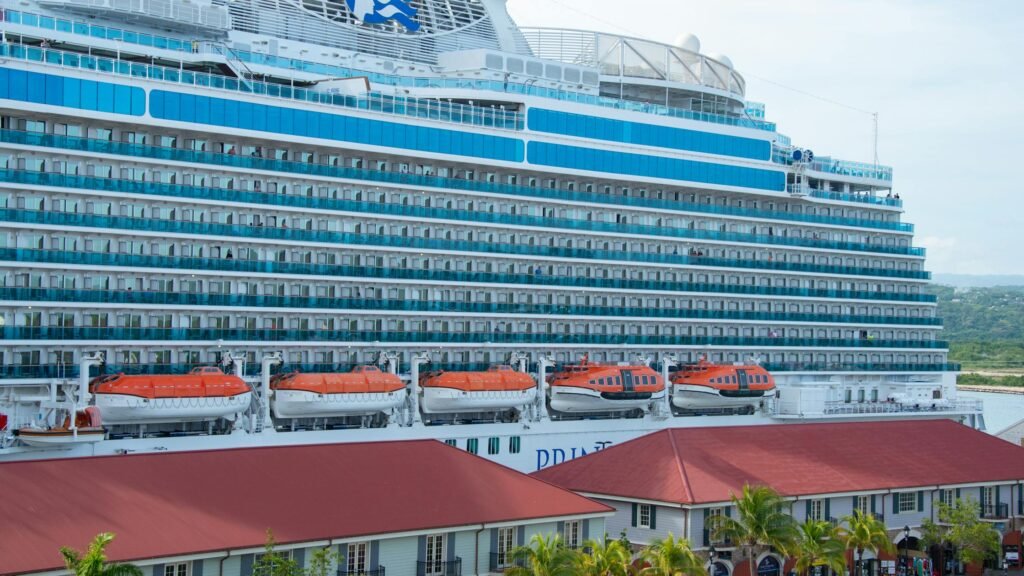
>
Deciding between premium cruise lines vs luxury cruise lines can feel tricky, especially when both promise fine dining, stylish ships, and bucket‑list routes. This guide gives you a clear side‑by‑side view of what changes when you move up a tier: inclusions, suites, service, ship size, and the value of upgrades. By the end, you will know which category fits your travel style, and how to book with confidence.
- Quick answer: Premium ships deliver strong dining, entertainment, and destination coverage with more add‑on costs. Luxury ships focus on space, service, and inclusive perks, often on smaller vessels.
- Best use of budget: Spend first on the right route and season, then choose a cabin or suite that supports sleep, privacy, and quiet.
- Next steps: Compare routes on our Ocean Cruises hub, check suite layouts, and shortlist lines that match your service and inclusion priorities.
What does premium cruise lines vs luxury cruise lines really mean?
Across the industry, categories are shorthand. They point to patterns in ship size, service, space, price, and what fares include. However, lines can blur. Some brands sit between tiers or straddle them with newer ships and different fare bundles. Therefore, use the label as a starting map rather than a final verdict.
In practice, premium ships tend to be larger, with more venues and shows. They often price fares lower up front and let you add extras such as drinks, Wi‑Fi, specialty dining, and gratuities. Luxury ships lean small and mid‑size, focus on a high crew‑to‑guest ratio, and include far more in the fare. That is the core difference in premium cruise lines vs luxury cruise lines, and it drives most of the onboard feel and total trip cost.
For inclusions, luxury lines publicly promote all‑inclusive elements like crew gratuities and a broad drinks package, and sometimes even shore excursions. For example, see the official inclusions pages for Seabourn, Silversea, and Regent Seven Seas Cruises for their current offers and terms:
- Seabourn: All‑Inclusive Luxury
- Silversea: All‑Inclusive
- Regent Seven Seas: Most Inclusive Luxury Experience
On the premium side, inclusions vary by brand and bundle. Many lines offer base fares and optional upgrades that combine drinks, Wi‑Fi, and tips. For example, Princess Cruises explains what is included on their official page: Princess: What’s Included. Always confirm details on the cruise line’s site before you book, since packages and terms change.
Which inclusions really differ between the two tiers?
Inclusions are the most visible gap between categories. They shape how the week feels and how often you sign slips.
| Feature | Premium | Luxury |
|---|---|---|
| Gratuities | Usually extra or in a bundle | Commonly included |
| Drinks | Base coffee/tea, alcohol often extra or in a bundle | Beer, wine, spirits usually included |
| Wi‑Fi | Often extra or bundled | Often included |
| Specialty dining | Cover charges common | Often included or minimal supplements |
| Shore excursions | Priced per tour | Sometimes included or credit offered |
| Room service | May have delivery fee | Typically included |
| Self‑serve laundry | Varies by ship | Common on some luxury lines |
Because of these inclusions, total trip cost can converge more than the headline fare suggests. Also, you may find that a premium cabin plus bundles equals a similar price to an entry suite on a luxury line, especially on shoulder seasons. When that happens, revisit your priorities: space, quiet, service, and itinerary.
How do service, space, and ship size compare?
Service level is where smaller ships shine. Luxury lines tend to run high crew‑to‑guest ratios with butler or suite host service for many cabins. As a result, requests are handled fast, and staff learn your preferences. Premium ships run great service too, yet the scale and venue count mean a busier feel. Expect more energy, shows, and families on many sailings.
Ship size and motion
Luxury ships are usually smaller. They can access cozier ports and tender more often. However, smaller does not mean rough. Stabilizers and smart routing help. Meanwhile, the largest premium ships can feel remarkably stable on open seas because of their size. If you are sensitive to motion, consider a mid‑ship, lower deck cabin and avoid shoulder seasons in rougher regions.
Privacy and quiet zones
Luxury sun decks, lounges, and dining rooms often feel spaced out and serene. On premium ships, bookable retreat areas and paid cabanas can create similar calm. If privacy matters, a suite or club‑level area on a premium line can narrow the gap. This is a key factor when comparing premium cruise lines vs luxury cruise lines for couples seeking quiet.

Cabins and suites: what changes when you move up?
Cabin design and space are core to sleep, privacy, and relaxation. On premium lines, standard cabins are efficient. Balconies are common. Suites add living space, better bathrooms, and sometimes concierge lounges. On luxury lines, the entry “suite” often starts where premium mini‑suites end, with larger bathrooms, walk‑in closets, and room for in‑suite dining. This is why many travelers frame their choice as premium cruise lines vs luxury cruise lines when they value space as much as destination.
| Area | Premium ships | Luxury ships |
|---|---|---|
| Entry room | Interior/Oceanview/Balcony, compact design | Often a true suite with sitting area |
| Bathroom | Shower; tubs in higher categories | Marble/stone details; larger showers; many with full tub |
| Closet/storage | Good closets; drawers vary | Walk‑in closet common; ample drawers |
| In‑suite dining | Room service; limited menu hours | Full multi‑course dining in suite |
| Lounge access | Often for suite/club levels | Whole ship feels like a club space |
| Butler/service | Top suites only, if offered | Common for most or all suites |
If sleep and quiet time are high priorities, a premium ship with a true suite can be a great value. However, if you want a slower rhythm, fewer announcements, and staff who know your name by day two, a smaller luxury ship often feels right.
Dining, entertainment, and enrichment: what to expect
Dining
Premium lines shine with variety: main dining rooms, several specialties, and quick spots. Some venues carry cover charges. Luxury ships trade breadth for quality and calm. Specialty venues may be included. Room service is not a fallback; it is a core feature with proper courses.
Entertainment
Expect larger production shows, live music across many lounges, and bustling pool decks on premium ships. On luxury ships, evenings feel more intimate: classical quartets, small casts, lectures, and refined lounges.
Enrichment
Smaller ships invest in destination experts, art talks, and culinary demos. Premium ships offer enrichment too, though the scale can shift focus to big‑stage events and family activities. If you prize talks and curated tours, check each sailing’s schedule and guest lecturers.
Routes and ports: does ship size change your itinerary?
Smaller ships can enter bays and harbors that very large ships skip or must tender. In classic regions like the Mediterranean and Greek Isles, this means more old‑town piers and less bus time. In Alaska, a small or mid‑size ship often earns better scenic viewing during glacier days because more of the ship has rails close to the waterline. That is why route selection sits near the top when weighing premium cruise lines vs luxury cruise lines.
- Mediterranean: Smaller ships can call at places like Portofino or Sorrento that large ships tender or skip.
- Alaska: Look for itineraries that include Glacier Bay, Hubbard Glacier, or Tracy Arm. Viewing angles and time on station matter.
- Baltic and Northern Europe: Smaller ships often dock closer to old towns where access agreements allow.
Before you book, compare two or three departure dates for the same route. Also, review port time windows. A shorter call in a marquee port can change your day more than an extra dining venue would.

Who should choose which tier?
Here is a practical way to frame premium cruise lines vs luxury cruise lines for real trips.
| Traveler type | Premium is best when… | Luxury is best when… |
|---|---|---|
| Couples | You want energy, shows, and more venue choice | You want quiet lounges, spacious suites, and top service |
| Friends | You want multiple bars and varied late‑night options | You want curated dining and calm spaces to talk |
| Families | Kids clubs and pools matter; ship has many activities | Teens/adults only; family luxury options are limited and quieter |
| Solo travelers | Meetups and more group activities help you connect | Staff attention and small‑group tours feel effortless |
| Port collectors | You value more sailings and dates to fit your calendar | You value niche ports and closer docks over volume |
- Choose premium for venue variety, flexible bundles, and broader date options.
- Choose luxury for space, quiet, and higher‑touch service with fewer extra fees.
How we compare lines for this guide
We look at route quality, port time, ship size, space per guest, crew‑to‑guest ratio, inclusions, dining approach, and suite design. We also scan official inclusion pages for current policy language and pair that with trusted overviews from leading review outlets. For example, see The Points Guy’s look at luxury cruise lines for broader context: TPG: Best luxury cruise lines. Then use the cruise line’s own pages to confirm what is included on your date.
Upper‑premium and “in‑between” cases
A few brands blur categories. Oceania and Viking Ocean are often called upper‑premium. Celebrity runs premium ships but adds strong dining, sleek design, and suite‑only areas that feel exclusive. These lines can deliver much of the calm and food quality of luxury with a more social vibe and bigger venue list. When choosing between categories, remind yourself the real question is practical: premium cruise lines vs luxury cruise lines for your dates, your route, and the suite you want.
Club and retreat areas on premium ships
Private sun decks, small restaurants, and concierge lounges on premium ships can change the experience without switching categories. If you like a lively ship by day but a quiet base to retreat to, this hybrid can be ideal.
Upgrade priorities that pay off
Before you spend, set a simple order. This keeps the premium cruise lines vs luxury cruise lines decision grounded in your day‑to‑day onboard life.
- Route and season first. A perfect cabin cannot fix a weak itinerary or rough‑season seas for your comfort level.
- Cabin location. Mid‑ship, lower deck for motion control; away from clubs, lifts, and crew doors for quiet.
- Real space. A larger bathroom, a true sitting area, and a balcony you will use.
- Calm zones. Access to a retreat area or suite lounge on premium ships; on luxury ships, most spaces already feel calm.
- Inclusions you actually use. Drinks, Wi‑Fi, and laundry matter for many travelers.
Route‑first planning walkthrough (2 minutes)
Sometimes a short visual helps. Below is a quick route‑first walkthrough that shows how to compare two itineraries, check sea days and scenic time, and then narrow ships by size and suites. First, watch it once without pausing. Then, replay and jot your notes.
Decision guide: premium or luxury for your trip?
Start: Do you value small ports and quiet spaces more than big‑ship venues?
- If yes → Consider Luxury: smaller ships, higher service, more inclusions.
- If no → Consider Premium: more venues and shows; add bundles as needed.
Motion‑sensitive?
- Yes → Prefer mid‑size ships, mid‑ship cabins, and calmer seasons.
- No → Any size works; focus on route and suite design.
Will you use included excursions?
- Often → Luxury value grows.
- Rarely → Premium + targeted tours can be smarter.
When a premium suite beats an entry luxury suite
Sometimes a premium line’s top suite costs about the same as a luxury line’s entry suite for your dates. If you want a large bedroom, a massive balcony, and a private lounge, the premium suite may win. However, if you value a quiet ship, high staff attention, and included excursions, the luxury entry suite could still be better. Always compare floor plans and lounge access side by side.
Which is better for Alaska and the Mediterranean?
Alaska
Glacier viewing and wildlife moments reward deck time and rail space. Luxury and upper‑premium ships often slow the pace and spend longer in scenic areas. But premium ships can deliver superb Alaska weeks too if the route is right and the captain lingers in the fjords. Study the itinerary and past guest reports for your exact sailing.
Mediterranean
Old ports and narrow harbors favor smaller ships. If you dream of walking straight into town, a luxury or upper‑premium ship may dock closer. If you love nightlife, shows, and many dining options, premium ships shine. In both regions, focus on port time and distance from the pier to the sights.
How to run a quick total‑cost check (no spreadsheet required)
Price clarity reduces stress. Therefore, use this five‑step check to compare fares the same way every time. First, list what you will actually use each day: coffee drinks, wine with dinner, Wi‑Fi, fitness classes, and laundry. Next, note how many paid specialty dinners and shore tours you want. Then, write your cabin or suite targets for space and location. After that, gather the fare and bundle details for each candidate ship and date. Finally, compare your totals side by side.
- Start with base fare per person for each option and the number of cruise nights.
- Add bundles on premium fares if you will buy them anyway (drinks, Wi‑Fi, and gratuities).
- Subtract inclusions you will not use on luxury fares (for example, if you skip alcohol).
- Price two marquee shore days you are unlikely to skip, then keep the rest as flexible extras.
- Divide your difference by cruise nights to see the daily gap and then judge if the extra space and calm feel worth it.
As a result, you will see whether the smaller ship’s inclusions offset the higher fare for your habits. If the daily gap feels modest for the comfort gains you want, the inclusive option can be the smarter buy. Otherwise, keep the premium ship and spend on a better cabin and a quiet retreat area.
Shore excursions and time ashore: how the day flows
Time ashore shapes memories. Consequently, the style of tours matters as much as the ship. On larger premium ships, you will often see many options at each port and a broad price range. On smaller luxury ships, you may see fewer but more curated choices, sometimes with smaller group sizes or included highlights.
- On larger premium ships: Expect more capacity on popular tours, more independent vendor kiosks at the pier, and busier gangways at peak times.
- On smaller luxury ships: Expect faster tender loading, earlier tour departures, and easier returns at sail‑away time.
Either way, book critical tours early. Moreover, hold a backup plan you can enjoy if weather or port traffic changes.
Dress code, vibe, and pace
Vibe affects comfort. Generally, premium ships feel casual by day and smart‑casual by night, with optional dress‑up evenings. Meanwhile, luxury ships lean refined and consistent, with a calm tone after dinner. However, both tiers allow you to keep it simple if you choose main dining rooms over gala venues.
To pack well, start with layers and neutral outfits that mix and match. Additionally, bring shoes with grip for sea days and cobbled old towns. Finally, add one polished outfit for a special dinner, whichever tier you choose.
Wellness, spa, fitness, and recovery
Sea days are perfect for recovery. Therefore, check these items before you book if wellness is key.
- Spa access: On premium ships, thermal suites may be paid or limited to passes; on luxury ships, access can be easier and quieter.
- Fitness timing: Class sign‑ups on premium ships can fill fast. Likewise, popular morning slots are busier on sea days across all tiers.
- Healthy dining: Both tiers offer plant‑forward and lighter dishes, yet smaller luxury ships may emphasize made‑to‑order pacing.
- Sleep routine: Choose a cabin away from late‑night music and high‑traffic corridors. In addition, bring basic sleep aids like earplugs and an eye mask.
Accessibility and mobility planning
Comfort starts with access. Accordingly, review deck plans and call the line for details on accessible cabins, door widths, and bathroom layouts. Also, confirm tender ports and the line’s policy for guests using mobility devices, since tender steps can vary by sea state.
- Elevator access: Larger ships often have more cars yet longer walks. Smaller ships have fewer cars but shorter distances.
- Shore support: Ask about priority gangway help and accessible tour options before you place a deposit.
- Cabin fit: Measure your device and compare to the cabin diagram, including turning space by the bed and bathroom door.
Finally, build buffers into port plans. For instance, return to the pier 30 minutes earlier than standard guidance to avoid last‑minute congestion.
Two example planning scenarios
Example: Anniversary week in the Mediterranean
You want quiet meals, walk‑in old towns, and long evenings on the balcony. First, shortlist mid‑size or smaller ships that dock close to historic centers. Next, check cabin layouts with a larger bathroom and room for in‑suite breakfast. Then, compare a premium ship’s top suite against an entry luxury suite on the same dates. If the daily price gap is narrow and the smaller ship docks closer, the inclusive option likely wins.
Example: Alaska with scenic priorities and one big hike
You care about long glacier days and one guided trek. First, filter routes for the best scenic windows. Next, weigh a premium ship with a mid‑ship balcony and add a retreat pass against a smaller ship with more deck rail space per guest. If you plan to buy only one paid tour and skip most drinks, the premium ship plus a good cabin can be the better value. Otherwise, the small ship’s calm and slower pacing may feel worth it.
When to book and when to wait
Timing affects price and choice. Generally, new seasons open with strong cabin selection and early offers. However, last‑minute deals can surface on shoulder dates and repositioning voyages. Therefore, start tracking fares when schedules publish, and set alerts.
- Book early when you want specific suites, connected rooms, or rare itineraries.
- Wait and watch when you are flexible on dates, ships, and cabin types.
- Re‑price if allowed. Some lines let you adjust within policy windows if a public fare drops.
Above all, protect your plans with cancel‑friendly terms during volatile seasons. Additionally, add air with schedule padding or choose the line’s air program if it helps with changes.
Booking steps to compare the right way
Here is a clean flow that keeps the premium cruise lines vs luxury cruise lines choice practical and stress‑free.
- Pick region and season. Start with weather and seas you enjoy.
- Shortlist routes. Compare port time and scenic days. Avoid routes with too many short calls.
- Choose ship size band. Match your motion comfort and vibe preferences.
- Compare cabins and suites. Review floor plans, bathrooms, and access to calm zones.
- Check inclusions. Price your real extras: drinks, Wi‑Fi, tips, and excursions.
- Review airfare and transfers. Smaller ports may add transfer time. Build that into your plan.
- Hold a cabin, then decide. Many lines allow refundable holds. Use that time to confirm details.
Common mistakes to avoid
- Chasing headline fare without pricing real extras you will buy daily.
- Picking a ship before you pick the route and season.
- Ignoring cabin location and noise. Deck plans matter.
- Assuming all “luxury” includes excursions. Check the fine print.
- Skipping cancel‑friendly terms during volatile seasons.
What to book first and why
Lock the route and cabin location first. Then choose your fare bundle or included perks. After that, select one or two marquee excursions that are hard to replace in port. Finally, pick specialty dining nights around sea days. This order protects the parts of your trip that change the most if sold out.
Source‑backed notes on inclusions and tiers
For current inclusion language, check official pages and recognized outlets. Start with Seabourn’s All‑Inclusive Luxury, Silversea’s All‑Inclusive, Regent’s Most Inclusive Luxury Experience, and Princess’ What’s Included. For broader context on luxury positioning and ship styles, see The Points Guy’s overview of best luxury cruise lines. These sources describe current policy and brand positioning. Always verify details for your exact sailing.
More luxury travel guides for planning your trip
- Explore our Ocean Cruises hub for route ideas and ship style overviews.
- Compare cruise suites and club‑level perks to match privacy and space needs.
- See the best Alaska cruise routes with glacier days and viewing angles in mind.
- Find the best time to cruise the Mediterranean for calmer seas and lighter crowds.
- Seabourn vs Silversea: a deep dive on two luxury icons.
FAQ
What is the biggest difference in premium cruise lines vs luxury cruise lines?
Inclusions and ship size. Luxury fares often include drinks, gratuities, and more attentive service on smaller ships. Premium ships offer more venues and shows with extras as add‑ons. That is the practical split for premium cruise lines vs luxury cruise lines.
Are luxury cruises worth it if I do not drink alcohol?
They can be. The value also comes from space, quiet, crew‑to‑guest ratios, in‑suite dining, and curated tours. Price your real uses beyond drinks before you decide.
Can a premium suite feel like a luxury experience?
Yes. A true suite plus access to retreat areas can deliver calm, space, and attentive service on a larger ship. If you like both energy and privacy, this hybrid is smart.
Do luxury lines include shore excursions?
Some do on many sailings, while others include credits or selected tours. Always check the inclusion page for your exact sailing to confirm details and limits.
Which tier is better for Alaska glacier viewing?
Both can work. Smaller ships often spend more time in scenic areas and feel less crowded on deck. But a well‑planned premium route with long scenic windows can be excellent too. Compare itineraries and past guest notes for your date.
Free download: Luxury Trip Planning Checklist
Shortlist premium stays faster with a calm, high-signal checklist.
Helpful next step: Before you book, compare location, total cost, cancellation rules, timing, and the practical tradeoffs for this trip.
Affiliate disclosure: Silk Harbor Travel may earn a commission when you use qualifying partner links, at no extra cost to you. Recommendations are chosen for reader usefulness and fit.