
Your time and attention are precious. This luxury train journey planning guide gives you a clear path to choose the right route, cabin, dining plan, and travel dates—then link everything to hotels, transfers, and excursions without stress.
Last reviewed: June 8, 2026. Routes, dress codes, and inclusions can change. Always verify with the operator before booking.
Key takeaways for luxury train journey planning
- Start with your goals: scenery, culture, culinary focus, or onboard pampering. Then match a route.
- Pick the season for the scenery you want. Shoulder months often balance views and availability.
- Choose the cabin for sleep quality first. Private facilities and bedding matter more than floor area.
- Confirm dining style, dress expectations, and seatings. Book special meals early when offered.
- Lock in the train and flights first. Then add hotels near the departure and arrival stations.
- Plan transfers with buffer time. Stations can be busy, and premium lounges are not guaranteed.
Luxury train journey planning: what to decide first
Good luxury train journey planning begins with a short decision stack. Define your non‑negotiables. For example, do you want snow‑capped peaks, wine country, desert sky, or European old‑world glamour? Also note how many nights you can spend onboard and whether you prefer a private bath. Because these choices drive availability, decide them before checking dates. Additionally, think about your preferred daily rhythm: do you want long windows of viewing and reading, or do you prefer structured touring with guides? Your answers shape the best-fit route and cabin category.
Free download: Luxury Trip Planning Checklist
Shortlist premium stays faster with a calm, high-signal checklist.
Luxury train travel planning: which route fits your goals?
Match the route to your desired pace and scenery. Some itineraries move daily with off‑train tours. Others focus on slow views and fine dining. Use operator pages to double‑check current offerings and service levels. For example, Belmond’s Venice Simplon‑Orient‑Express highlights vintage art‑deco carriages and formal dining (source: Belmond). Rocky Mountaineer focuses on daylight viewing in glass‑domed coaches in Canada and the U.S. (source: Rocky Mountaineer). In Africa, Rovos Rail and The Blue Train offer classic sleeper comfort with lounge and observation cars (sources: Rovos Rail, The Blue Train).
| Region / Signature route | Operator | Onboard style | Typical trip length | Scenery focus | Notes |
|---|---|---|---|---|---|
| Europe: Paris–Venice or extended Grand Tours | Belmond Venice Simplon‑Orient‑Express | Vintage glamour, formal dining | 1–4 nights | Alps, lakes, historic cities | Dress code leans smart; verify current guidance with Belmond |
| UK: Highland itineraries | Belmond Royal Scotsman | Country‑house luxury | 2–7 nights | Lochs, moors, castles | Small train; cabins cozy and refined |
| Canada/USA: Rockies daylight rail | Rocky Mountaineer | Daylight viewing, hotel nights | 2–4 days | Peaks, canyons, rivers | Overnights off‑train in hotels |
| Southern Africa: Cape Town–Pretoria | The Blue Train / Rovos Rail | Classic sleeper, lounge cars | 1–14+ nights | Savannah, Winelands | Check seasonal heat and wildlife timing |
| India: Golden Triangle & royal circuits | Maharajas’ Express (IRCTC) | Palatial décor, curated tours | 4–7 nights | Heritage cities, forts | Multiple off‑train excursions included |
Therefore, shortlist two routes that match your top goals. That single step will simplify the rest of your luxury train journey planning. Next, compare the daily schedules. If you prefer long afternoons with tea and views, pick a route with fewer excursion hours. Conversely, if you like active sightseeing, choose an itinerary with guided tours each day.
Luxury rail trip planning: when is the best time to ride?
Season affects scenery, daylight, and comfort. Also, holiday periods book out first. Instead of picking dates at random, choose the view you want, then back into a month. For example, late spring and early autumn often mix clear skies with calmer stations. Always confirm regional conditions before you lock air tickets. Additionally, check school breaks and public holidays in the departure and arrival countries because they can raise hotel prices and reduce availability.
| Region | Scenery goal | Often‑great windows for that view | Notes |
|---|---|---|---|
| Europe (Alps & lakes) | Snow‑kissed peaks or wildflowers | Late April–June; September–early October | Mid‑summer brings crowds; shoulder weeks can be ideal |
| Scotland Highlands | Green moors, long daylight | May–July | Midges in peak summer near water; pack accordingly |
| Canadian Rockies | Clear mountain views, rivers | May–June; September | Spring melt and autumn color add drama |
| Southern Africa | Wildlife visibility, comfort | Dry months vary by route | Check local dry seasons before booking lodges |
| India (royal circuits) | Pleasant touring temperatures | October–March | Summer and monsoon are hotter or wetter |
As a result, you can protect dining and viewing quality by choosing dates with friendly temperatures and stable daylight. Moreover, if you pair the train with a safari, cruise, or festival, align both calendars first so you do not end up compromising either experience. Finally, consider daylight savings changes on shoulder weeks because they can shift sunset timing by your travel dates.
Month-by-month notes for luxury train travel planning
January–March: In Europe, many luxury routes pause for maintenance or run limited departures; however, winter scenery on select alpine lines can look magical. In India, cooler months feel comfortable for touring. Meanwhile, Southern Africa’s timing varies by region, so check dry and green season nuances.
April–June: Spring wildflowers and longer daylight improve photography in the Alps and Highlands. Consequently, early June often balances open trails with moderate crowds. In Canada, May brings snow on peaks and rushing rivers from meltwater.
July–August: Peak summer in Europe means higher demand and warmer cars on vintage stock. Therefore, book early and request earlier or later dining seatings if your route allows, so you can watch golden hour from the lounge.
September–October: Clear air, autumn color, and calmer stations can create standout rides. Furthermore, wine regions add harvest energy. Daylight decreases week by week, so confirm your dome‑car or observation timings in advance.
November–December: Festive cities sparkle, yet many trains reduce schedules. If you love holiday markets, build extra hotel nights around departures, and, importantly, protect your connection buffers against winter weather.

Luxury train journey planning: what cabin should you book?
Cabin choice decides sleep quality, privacy, and storage. In many classic cars, the layout is compact by design. However, bedding, private facilities, and sound insulation vary by train. Use official cabin pages and deck plans before you commit. Helpful third‑party overviews can offer context, too (source: The Man in Seat 61). In addition, think about your morning routine. If you enjoy a slow start with coffee in your cabin, a suite with a little more seating can make mornings calmer. Conversely, if you prefer being first in the lounge, a classic twin near the center of the train may suit you just fine.
| Cabin type | Private bathroom | Bed setup | Storage feel | Best for | Example trains |
|---|---|---|---|---|---|
| Historic twin/single | Varies by train | Sofa‑to‑bed or bunks | Compact, functional | Solo or light packers, short runs | VSOE historic cabins, Royal Scotsman |
| Suite / Grand suite | Usually private | Fixed or convertibles | Roomier with seating | Couples, longer journeys | VSOE Suites, Maharajas’ Express suites |
| Observation/dome seating (daytime) | N/A | Recliners | Overhead + day bag | Scenic daylight runs | Rocky Mountaineer |
In classic sleepers, your cabin is a cocoon. Therefore, prioritize a bed you sleep well in and a bathroom arrangement you are happy with. When in doubt, step up one category. That small upgrade often makes the biggest difference per dollar in luxury train journey planning. Also, ask about cabin location. Mid‑train cabins can feel steadier, while cars near generators or kitchens may hear more hum during service hours.
Sleep‑first checklist for luxury train travel planning
- Confirm bed size and whether beds convert from sofas or stay fixed.
- Ask about in‑cabin temperature controls and ventilation. Some heritage cars regulate centrally.
- Check whether en‑suite bathrooms have enclosed showers or wet‑room layouts.
- Request cabins away from doors if you are a light sleeper.
- Pack soft earplugs and an eye mask; rail joints and dawn light vary by route.
Dining, dress, and seatings in luxury train travel planning
Dining is often a highlight. However, expectations differ. On some European luxury trains, the tone is elegant and smart, with assigned or staggered seatings on select departures. Belmond encourages refined attire on its vintage routes; check the current wording and any special evenings on your specific trip (source: Belmond VSOE). In Southern Africa, both The Blue Train and Rovos Rail frame meals as a leisurely experience; confirm your departure’s latest guidance (sources: The Blue Train, Rovos Rail). Additionally, on daylight services such as Rocky Mountaineer, lunch is onboard but evenings are in hotels, so check restaurant reservations in gateway towns during busy months.
| Dining detail | What to check | Why it matters |
|---|---|---|
| Seatings | Assigned vs. flexible times | Impacts excursion timing and rest |
| Dress expectations | Current operator guidance | Pack correct evening wear |
| Dietary requests | Advance notice cut‑off | Ensures great meals for all |
| Bar/lounge hours | Quiet hours, reservations | Plan pre‑ and post‑dinner time |
Because table service runs on a schedule, arrive a few minutes early. In addition, if your route features off‑train dinners, confirm transport and return times so you do not rush. Finally, consider a light lunch on heavy sightseeing days so you arrive at dinner hungry and relaxed.
How much time does luxury train journey planning take?
For most travelers, you can sketch a solid plan in a weekend. First, pick two routes. Next, choose a month window. Then, confirm cabins and dining style. Finally, tie in hotels, transfers, and excursions. If your dates include holidays or special events, add more lead time. This luxury train journey planning rhythm reduces back‑and‑forth and protects scarce suite inventory. Even so, give yourself space to sleep on big decisions overnight; you will feel more confident when you book.
Luxury train journey planning workflow you can follow
From idea to boarding: a clean 10‑step map
- Set goals: scenery, culture, pampering.
- Shortlist 2 routes with operator links.
- Choose a month for the view you want.
- Pick the cabin: sleep and privacy first.
- Confirm dining seatings and attire.
- Hold train space or book fully refundable.
- Book flights into the gateway city with buffers.
- Add station‑adjacent hotels for pre/post nights.
- Reserve transfers and key excursions.
- Pack to the cabin layout; keep hands free on platforms.
Use the steps above as a checklist. In addition, share it with your travel companion so you split tasks. Clear roles speed up luxury train journey planning. Moreover, set soft deadlines for each step—such as “pick two routes by Friday”—so momentum continues without stress.
Who to contact and when in luxury train travel planning
- Operator reservations: Confirm current routes, cabin availability, and payment terms before you book flights.
- Hotel concierge: Ask about station transfers, early check‑in, and breakfast timings that match your boarding time.
- Airport transfer provider: Share your flight and train details; request a driver buffer for potential delays.
- Travel insurance provider: Verify coverage for rail delays and missed connections before final payment.
What to book first, second, and last in luxury rail trip planning
- First: The train and the cabin you actually want. Suites and peak departures sell out early.
- Second: Flights that arrive at least a day before boarding, plus your pre‑ and post‑train hotels.
- Third: Private transfers and any must‑do tours that could clash with train timings.
- Last: Restaurants, spas, and optional add‑ons you can swap if plans shift.
Additionally, capture cancellation deadlines in one note. If a tour or hotel requires final payment much earlier than others, you can adjust the order so your biggest commitments happen after your train is confirmed.
Station flow, lounges, and platforms for luxury rail trip planning
Some operators offer hosted check‑in or private lounges. Others meet you directly at the platform. Because each station is different, build a 30–60 minute buffer on arrival. Meanwhile, keep documents and a small day bag handy so you can step through ticket checks fast. If you use a mobility aid, ask in advance about platform lifts and escorted boarding. Finally, take a quick photo of your carriage number; after excursions, it helps you return to the correct car without delay.
Windows, observation cars, and tours in luxury train travel planning
Not all windows are equal. Dome cars and panoramic lounges change the entire experience on daylight routes like those featured by Rocky Mountaineer (source: Rocky Mountaineer). Observation platforms on Southern African trains feel dramatic, especially at golden hour (sources: Rovos Rail, The Blue Train). Also, off‑train excursions can be gentle strolls or longer tours. Read the daily program so you can pace your day. If you prefer more window time, choose the later lunch or an earlier dinner seating when available, so you catch the best light in the lounge.
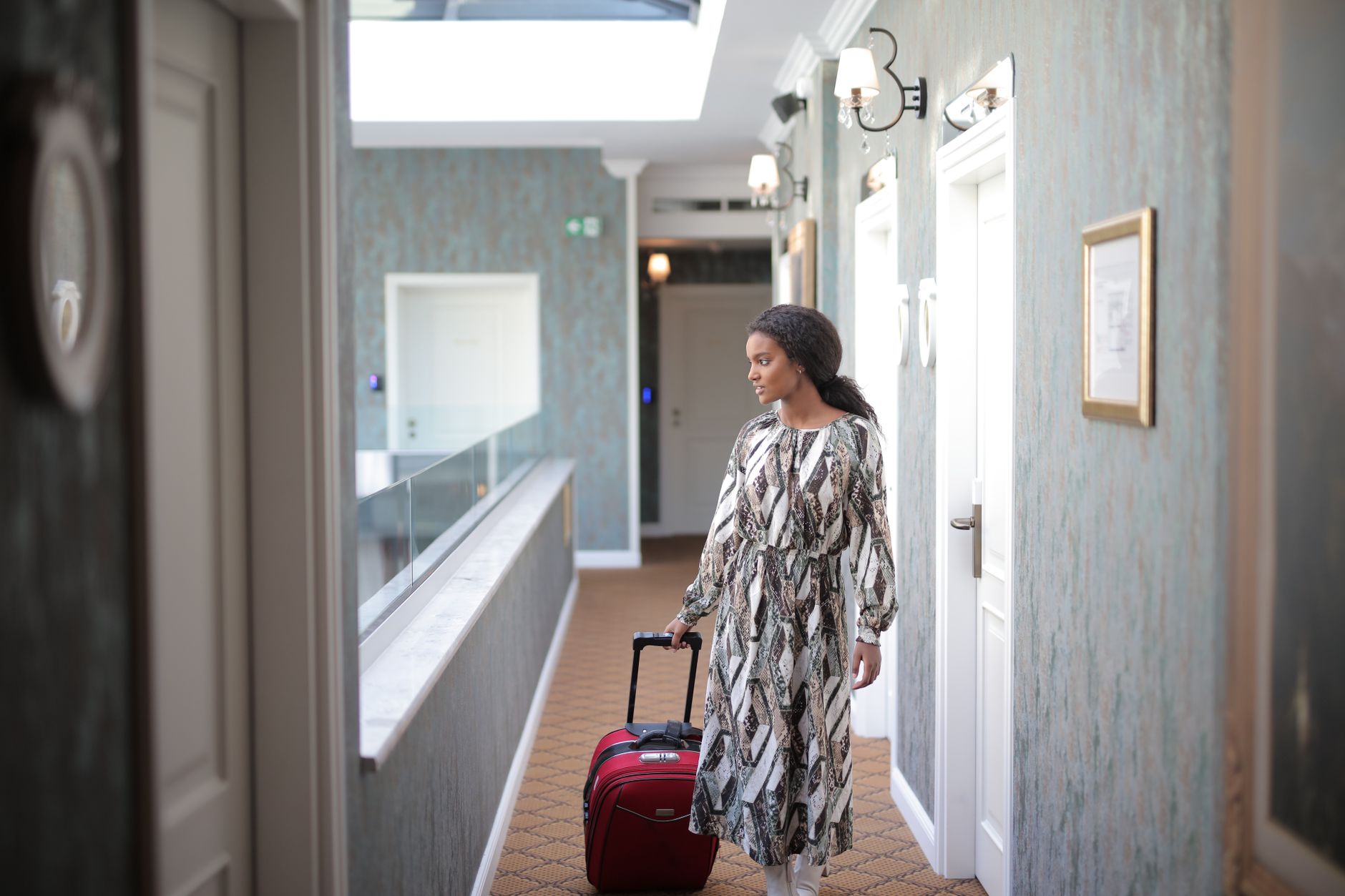
Packing smart for compact luxury cabins: a luxury train travel planning checklist
Cabins reward tidy packing. Use one main case plus a soft tote that slides under seating. Also, add garment folders and small pouches. Because some trains set guidance on luggage size and count, confirm limits with your operator or a respected guide before you pack (source: The Man in Seat 61). Furthermore, pack with vertical access in mind; on trains, you often reach for small items while seated, so smart pouches beat deep stacks.
- Pack light layers for dining rooms and cool nights.
- Choose quiet footwear for night walks to the bathroom if shared.
- Bring a small nightlight or penlight for midnight moves.
- Add soft‑sided bags; they squeeze into tight spaces better than hard shells.
- Keep meds and essentials in your day bag, not in checked luggage.
- Use packing cubes by “time of day” (sleepwear, lounge wear, dinner wear) to speed changes in compact spaces.
- Carry a compact power strip with surge protection if allowed; confirm onboard voltage and outlet count.
- Include lens wipes and a microfiber cloth to keep window reflections and smudges off your photos.
Safety and accessibility in luxury rail trip planning
Corridors can be narrow and cars may sway. Therefore, use handrails and move slowly at night. If you need step‑free access or larger bathrooms, choose modern suites or daylight routes with off‑train hotel nights. Also, tell the operator about medical needs when you book so the crew can help. In addition, check door thresholds between carriages; they can be raised a little, so stable shoes help. If you use refrigerated meds, ask about in‑cabin options ahead of time.
Mobility and medical notes to consider
- Confirm how many steps are required to board at your stations and whether ramps are available.
- Ask about shower grab‑bars and non‑slip mats for en‑suite cabins.
- Share dietary or allergy details early, and reconfirm at boarding.
- Carry a summary of prescriptions and a doctor’s note for any medical devices.
How luxury train journey planning shapes your budget
Luxury train journey planning encourages priority spending. Put most of your funds into the route and cabin. Then, protect sleep with a quiet pre‑night and a late checkout on arrival. After that, add one or two private tours that match your interests. As a result, you get high return on experience without diluting the trip. Moreover, understand how payment schedules work. Many operators take a deposit at booking and the balance later; hotels and flights may follow different timelines.
Typical cost drivers and value trade‑offs:
- Cabin category: Suites cost more but may reduce add‑on spending because you linger onboard longer and feel rested.
- Season: Peak months can increase fares and hotel rates. Shoulder periods may offer value and calmer stations.
- Length: Adding one extra night can multiply highlights; however, if time is tight, a shorter signature run can still feel complete.
- Excursions: Private tours add control and comfort. Group tours save cost but move at a set pace.
- Transfers: Private cars reduce stress at complex stations; shared shuttles save but add variables.
Sample 9‑day luxury train journey planning framework you can adapt
Use this as a planning shell, not a fixed itinerary. Swap cities and trains as needed. If you prefer two nights onboard, stretch Days 3–5; if you prefer more city time, add a museum day or a wine‑country lunch after arrival.
- Day 1: Fly to gateway city. Private transfer to a station‑area five‑star hotel.
- Day 2: Easy morning. Light sightseeing. Early dinner. Pack your day bag.
- Day 3: Board the train. Lunch onboard. Sunset in the lounge.
- Day 4: Off‑train tour in the morning. Long, relaxed lunch. Evening in your cabin or bar car.
- Day 5: Onboard breakfast. Arrive at destination. Transfer to hotel.
- Day 6: City tour or spa day. Fine‑dining dinner.
- Day 7: Optional day trip. Easy night.
- Day 8: Leisure morning. Pack and prepare for flights.
- Day 9: Airport transfer. Fly home.
Alternatives by season: In winter, shift more time to spa and dining. In summer, add early‑morning walks to beat heat and crowds. If you pair the train with a safari or coastal stay, place the rail either first (to recover from jet lag in motion) or last (as a slow finale) based on flight timings.
One helpful luxury train journey planning step you can do now
Affiliate disclosure: Some links in this luxury travel guide may be affiliate links. If you book or buy through them, Silk Harbor Travel may earn a commission at no extra cost to you.
Compare station‑adjacent five‑star hotels so your pre‑night and post‑night are easy to reach and truly quiet. Compare 5‑star gateway hotels on Trip.com and look for flexible rates that protect your timing. Also, check whether breakfast starts early enough on boarding day and whether the concierge can store luggage if rooms are not ready.
Luxury train journey planning mistakes to avoid
- Arriving in the city on the same day as departure. One delay can derail everything.
- Choosing a cabin on décor alone. Sleep and bathroom access matter more.
- Booking peak holiday dates first, then trying to retrofit flights and hotels.
- Over‑scheduling off‑train time. Leave space to enjoy the lounge and windows.
- Skipping seatings research. You do not want dinner to clash with the best scenery.
- Forgetting cancellation windows. Set reminders before penalties begin.
- Underestimating station size. Some hubs take longer to cross than you expect.
- Ignoring time zones and daylight shifts that affect sunset views.
Trusted sources for luxury train travel planning
- Belmond Venice Simplon‑Orient‑Express for current routes, cabin types, and dining guidance.
- Rocky Mountaineer for daylight‑only rail products in Canada and the U.S.
- Rovos Rail and The Blue Train for Southern African itineraries and onboard services.
- Maharajas’ Express (IRCTC) for royal‑style Indian circuits and inclusions.
- The Man in Seat 61 for independent overviews and practical tips.
Luxury train journey planning: frequently asked questions
How far in advance should I book for luxury train journey planning?
Book as soon as your cabin and route align, often 6–12 months out for peak seasons. Suites on iconic routes can sell out much earlier. Early decisions simplify luxury train journey planning.
Do luxury trains have strict dress codes?
Guidance varies. Many classic European routes encourage smart evening attire. Some departures feature special dinners. Check your operator’s current wording before packing.
Are children welcome on luxury trains?
Policies differ by operator and by route. Some itineraries welcome families; others lean adult‑oriented. Confirm minimum ages and cabin layouts before you book.
What is included in the fare?
Usually accommodation, most meals, and select drinks. Some trains include excursions; daylight trains may include hotels off‑train. Always review the current inclusion list on the operator site.
Can I handle special diets?
Yes, with advance notice. Tell the operator early and reconfirm at boarding. For complex needs, contact guest services to confirm specifics in writing.
How many bags can I bring?
Limits differ, and historic cars have compact storage. Use one main case and one soft carry‑on, then verify your departure’s guidance with the operator or a trusted guide.
Is Wi‑Fi available on board?
Connectivity varies by route and geography. Some trains provide intermittent Wi‑Fi; others focus on offline relaxation. Download maps and entertainment before departure, and verify current connectivity with the operator.
Are gratuities included?
Policies differ. Certain fares include service, while others leave tipping at your discretion. Review your booking documents and ask at check‑in if you are unsure.
Do I need visas or special documents?
Entry rules depend on your citizenship and itinerary. Check official government sites and the operator’s guidance before you book flights. Allow extra time for any required permits or e‑visas.
More guides to support luxury train journey planning
- How to choose a luxury train suite without overpaying
- Best luxury train routes in Europe: how to compare scenery and timing
Finally, remember this: luxury train journey planning works best when you decide what you want to see, pick a season, and then secure the cabin that lets you sleep well. With those pieces in place, the rest of the trip falls into line.