


Luxury travel isn’t about “more” for the sake of it. It’s about fewer compromises: smoother logistics, better sleep, calmer pacing, and experiences that feel curated rather than chaotic. If you want your next trip to feel like a true upgrade—without overpaying or falling for glossy marketing—this guide will walk you through the exact decisions that create a high-end experience from start to finish.
What Luxury Travel Really Means Now
The best luxury travel trips rarely look “flashy” on paper. They feel calm. They feel organized. They feel like time expands because you aren’t constantly solving problems. That’s the real upgrade: you stop wasting energy on friction. Your check-in is smooth. Your room is exactly what you expected. Your driver is waiting. Your dinner reservation is already handled. You aren’t scrambling for a decent table at 9:30 p.m. or staring at an overcrowded beach wondering why you paid premium prices.
In practical terms, luxury travel today is a blend of comfort, privacy, and reliability. It’s choosing the kind of stay where the shower pressure is perfect, the mattress supports you, and the neighborhood is right for your pace. It’s planning enough that you can be spontaneous in the ways that matter—ordering another round at sunset, saying yes to a boat day, or lingering longer in a place because you’re not chained to a rigid schedule.
Here’s the mindset shift: luxury travel is not only about “where.” It’s about “how.” A moderate destination can feel luxurious with the right timing, the right room category, and the right logistics. Meanwhile, an iconic destination can feel frustrating if you book the wrong area, overpack the itinerary, or arrive during peak crowds without a plan.
Luxury travel is paying for fewer hassles and better moments. When you spend, you’re buying comfort, time, and confidence—not just a prettier room.
How to Book Luxury Travel Like a Pro
High-end trips can be surprisingly easy to book well when you follow a sequence. Most people do it backward. They start with a random hotel, then force flights to fit, then realize transfers are complicated, then try to cram experiences into whatever gaps remain. A better approach is to design the “flow” first.
Step 1: Pick your trip identity
Before you compare hotels, decide what this trip is meant to feel like. Is it a city-and-coast blend with great dining? A reset week where you sleep, swim, and read? A once-a-year “iconic” experience that’s worth the splurge? Luxury travel becomes straightforward when you know which feeling you’re buying. Write one sentence and keep it visible while you plan.
Step 2: Lock your dates using the crowd-temperature test
Peak season is rarely the best value for luxury travel. If your destination has intense summer crowds, you’ll pay more to enjoy less. The smartest upgrade is often shoulder season: the weather is pleasant, the service is calmer, and the experience feels more private. If you’re chasing a coastal destination, prioritize weeks when the water is warm enough but the town isn’t maxed out.
Step 3: Choose your “anchor” stay first
Your anchor stay is the property that shapes your entire trip. It might be a resort in the Maldives, a waterfront hotel in Monaco, or a villa base near a marina. Anchor stays should be booked earlier because the best room categories and best-located units go first. Once you have the anchor, you can add a second stop for variety if you want.
Step 4: Build the trip around arrival and departure ease
Many luxury travel disappointments happen on travel days. People over-optimize the hotel and under-optimize the arrival. If you can land in daylight, schedule a transfer that doesn’t require thinking, and avoid a late-night check-in after multiple connections, you instantly elevate the trip. Smooth travel days also make you more excited to explore on day one, which is a big deal when you’re paying premium rates.
When comparing properties, price the experience you actually want (best view, best location, breakfast included, late checkout) instead of the cheapest room. Luxury travel value comes from the “right” category, not the lowest nightly rate.
Destinations and the “Experience Fit” Test
Luxury travel isn’t one-size-fits-all. Some destinations feel glamorous and social. Others feel restorative and private. A simple test helps you choose: ask whether the place matches your pace. If you want calm mornings and long lunches, pick destinations that are designed for lingering. If you want nightlife, events, and people-watching, choose a destination that thrives at night.
Monaco is a classic example of curated glamour: compact, walkable, polished, and visually stunning. It’s ideal if you want coastal views, high-end dining, designer shopping, and an atmosphere that feels elevated even during a short stay. Meanwhile, the Maldives is the gold standard for reset-style luxury travel: your world becomes water, sky, and quiet. It’s less about “things to do” and more about how your nervous system feels when you finally slow down.
The key is aligning expectations. If you book Monaco expecting solitude, you may feel underwhelmed. If you book the Maldives expecting a packed schedule, you may feel restless. Luxury travel feels worth it when the destination naturally supports the mood you want.
Stays That Actually Feel High-End
The difference between “expensive” and “luxurious” usually comes down to three things: sleep quality, sound, and service consistency. A beautiful lobby means nothing if you can hear hallway noise at midnight. A famous brand means little if the staff is overwhelmed. Luxury travel stays should feel like a controlled environment where small problems are solved before you notice them.
Room category strategy: what to pay for
When you upgrade, prioritize what changes your experience every hour. A better view matters because you see it constantly. A terrace matters because you’ll use it daily. A larger room matters if you work remotely or plan longer stays. Meanwhile, you can often skip add-ons that sound luxury-coded but don’t impact you much: a welcome amenity you forget, or a minor “club” perk you never use.
The three questions to ask before booking
Ask these before you pay:
- Is the location convenient for the kind of days I want?
- What are the realistic noise risks (street, nightlife, construction, beach clubs)?
- What does “included” actually mean (breakfast, transfers, activities, resort fees)?
Luxury travel becomes easier when you interpret listings like a buyer, not a dreamer. Look for specifics. If a property offers “ocean views,” confirm whether that means direct oceanfront or partial views from certain units. If Wi-Fi matters, confirm where it’s strongest. If you’re celebrating something, confirm what they can realistically arrange. The best stays aren’t magical because they surprise you; they’re magical because they deliver exactly what you hoped for.
Flights, Transfers, and Arrivals Without Stress
A luxury travel trip can feel “premium” or “painful” based on how you handle the first and last 10% of the journey. If your arrival is chaotic—long waits, confusing transfers, late-night check-ins—you spend the first day recovering instead of enjoying. The goal is a predictable landing: you know exactly what happens after baggage claim and how long it takes to settle in.
Flight selection that protects your energy
If you’re deciding between a cheaper route with multiple connections and a slightly more expensive route with fewer steps, the “luxury” choice is usually fewer steps. Not because you need business class, but because you need reliability. The most valuable upgrade is reducing the odds of missed connections and baggage delays. If you do connect, choose longer layovers that reduce stress instead of tight schedules that turn your day into a sprint.
Private transfers: the underrated upgrade
Private transfers are one of the highest-return luxury travel purchases because they remove uncertainty. A driver waiting with your name, a clean vehicle, and a direct route to your stay instantly changes how you feel. It also prevents the classic travel-day trap: arriving tired and negotiating transport while hungry and overstimulated. If you’re staying somewhere premium, protect the arrival experience so the trip starts the moment you land.
If a choice removes uncertainty on travel days (arrival, transport, check-in, luggage), it’s usually worth paying for. If it only looks fancy in photos, it might not be.
Luxury on the Water: Villas, Yachts, and Islands
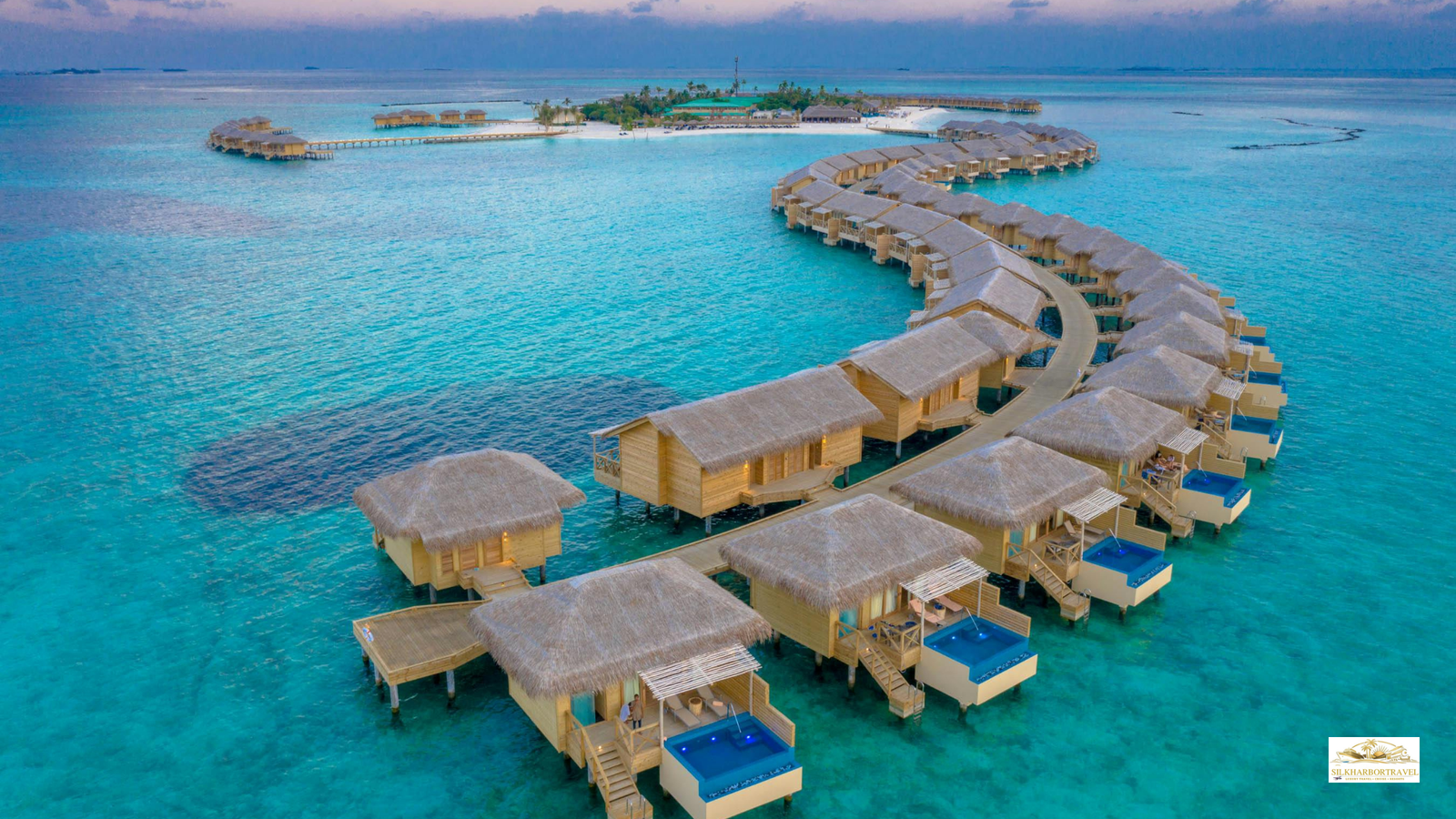
There’s a reason ocean-focused luxury travel stays in your memory. Water changes your internal tempo. Mornings feel slower. Evenings feel more cinematic. If you’re investing in a premium trip, consider adding at least one “water day” that is built around swimming, sun, and unhurried views—whether that’s an overwater villa, a private boat charter, or a coastal resort with a true sea-facing layout.
How to choose a Maldives-style experience without regret
Overwater villas can be a dream or a mismatch depending on what you value. If privacy and direct water access are your priorities, it’s an ideal luxury travel choice. If you prefer exploring towns, museums, and restaurants, you may feel isolated after a few days. The sweet spot for many travelers is a split: a few nights of deep reset, then a second stop where you can move and explore.
Yacht and boat days: the experience multiplier
A well-planned boat day can be the single most “luxury” feeling day of your entire trip because it creates privacy and perspective. The important part is not the size of the boat; it’s the structure of the experience. You want easy boarding, comfortable shade, great timing (usually late morning into golden hour), and a route that avoids the most congested areas. If you’re going with friends or as a couple, a boat day is often the upgrade that feels most worth paying for.

Private Tours and Experiences That Justify the Price
The fastest way to waste money in luxury travel is to pay premium prices for generic experiences. The fastest way to feel like you “nailed it” is to spend on experiences that solve real problems: crowds, timing, access, and convenience. That’s why private guides, off-hours entry, and curated tastings often feel more valuable than another expensive dinner.
What to book early
Book early when the experience is capacity-limited or timing-sensitive: private boat charters, high-demand tasting rooms, iconic restaurants with fixed seating, and any tour that provides special access. If your trip includes a short city stop (like Monaco), pre-booking a few key moments can make the entire stay feel seamless.
What to keep flexible
Keep flexible activities that depend on weather, mood, or energy: beach time, shopping afternoons, spa treatments, casual walking tours, and “choose-your-own” exploration. Luxury travel should leave room for desire. Your best moments might be unplanned, but they happen more often when the basics are handled.
When comparing experiences, choose the one that gives you time back: shorter transfer times, fewer lines, fewer decision points, and a smoother “start-to-finish” flow. That is what luxury travel is really buying.
Packing and Prep for Effortless Travel
Packing for luxury travel is less about bringing more and more about bringing the right things. You want fewer items that work together, keep you comfortable, and reduce “small annoyances” that pile up. The best pack is the one that makes mornings easy: you can get ready quickly, feel confident, and head out without hunting for anything.
The luxury travel capsule approach
Build around a color palette and a few repeatable outfits. Choose fabrics that look good and breathe. Bring one elevated layer for evenings, one comfortable set for travel days, and a pair of shoes you can walk in without thinking. If you’re going coastal, add sun protection that you actually like wearing. If you’re doing boat days, plan for wind and splash.
The tiny items that protect the experience
- A portable charger you trust (so you never manage logistics at 5% battery).
- Noise control (earplugs or headphones) to protect sleep in any environment.
- Sun and hydration essentials so you don’t burn day one and lose momentum.
- A simple document system (digital + one backup) for reservations and confirmations.
This is also where purchase intent becomes smart intent. It’s better to invest in a few dependable items than to improvise mid-trip. If you want your luxury travel experience to feel calm, remove avoidable friction in advance.
Three Sample Luxury Travel Itineraries (Use These as Templates)
1) Monaco Micro-Escape (3–4 nights)
This luxury travel itinerary is ideal when you want a short, high-impact trip with a glamorous atmosphere. Choose a stay with a true view—harbor, sea, or skyline—and plan your days around “beautiful intervals”: a slow breakfast, a midday wander, a late afternoon reset, and an evening that feels intentionally styled.
- Day 1: Arrive in daylight, private transfer, check-in, sunset viewpoint, early dinner.
- Day 2: Morning walk, shopping or café time, beach club or spa, reservation dinner.
- Day 3: Day trip along the coast or a curated experience, then relaxed evening.
- Day 4: Late checkout if possible, smooth departure.
2) Maldives Reset Week (5–7 nights)
This luxury travel plan works when your priority is restoration. Your biggest choices are villa type and meal plan structure. If you want effortless days, choose a setup that reduces decision fatigue. If you want variety, plan a few structured highlights: a snorkel day, a spa session, a sunset cruise, and one special dinner.
- Days 1–2: Decompress, sleep, water time, light movement, early nights.
- Day 3: Signature experience (snorkel excursion or sandbank day).
- Day 4: Spa and reading day. Keep it intentionally quiet.
- Day 5: Sunset cruise or private dining.
- Days 6–7: Repeat what worked. Leave space for spontaneous moments.
3) Coastal Yacht Day Add-On (works anywhere, 1 day)
Add this to almost any luxury travel trip. The goal is a day that feels private and cinematic without being rushed. Start late enough that you’re not exhausted, and end late enough that golden hour happens on the water. Pack minimal essentials, keep the itinerary light, and prioritize comfort over “doing everything.”
- Late morning departure, calm route, one swim stop, one scenic stop.
- Simple lunch onboard, shaded rest time, then an easy return near sunset.
- Post-boat: shower, quick reset, then a low-effort dinner reservation.
Ready to book?
If you want luxury travel that feels effortless, book your anchor stay first, then lock in arrival logistics, then add one or two high-impact experiences. That sequence is what makes the whole trip feel smooth.
Final Booking Checklist (Luxury Travel Edition)
Use this checklist before you hit “confirm.” It’s designed to protect the experience you’re paying for.
- Trip identity: one sentence that defines what this trip should feel like.
- Dates: chosen with crowd levels and weather in mind, not just convenience.
- Anchor stay: right location + right room category + clear inclusions.
- Arrival flow: flight timing + transfer plan + check-in strategy.
- Two “signature” moments: one water day and one curated experience, if they fit your destination.
- Restaurant plan: at least one reservation for peak nights, plus flexible options.
- Comfort basics: sleep protection (sound/light), hydration, sun protection, power backup.
- Documents: confirmations organized, plus one backup method.
When all of that is in place, luxury travel starts feeling less like a big purchase and more like a smart decision. You’ll travel with confidence because you’ve removed the most common failure points.
Luxury Travel Video
Watch the video below for extra inspiration and visuals to help you plan your next luxury travel trip.
Luxury Travel FAQ
These are the questions that decide whether luxury travel feels effortless or overpriced. Use them as a final confidence check before you book.