
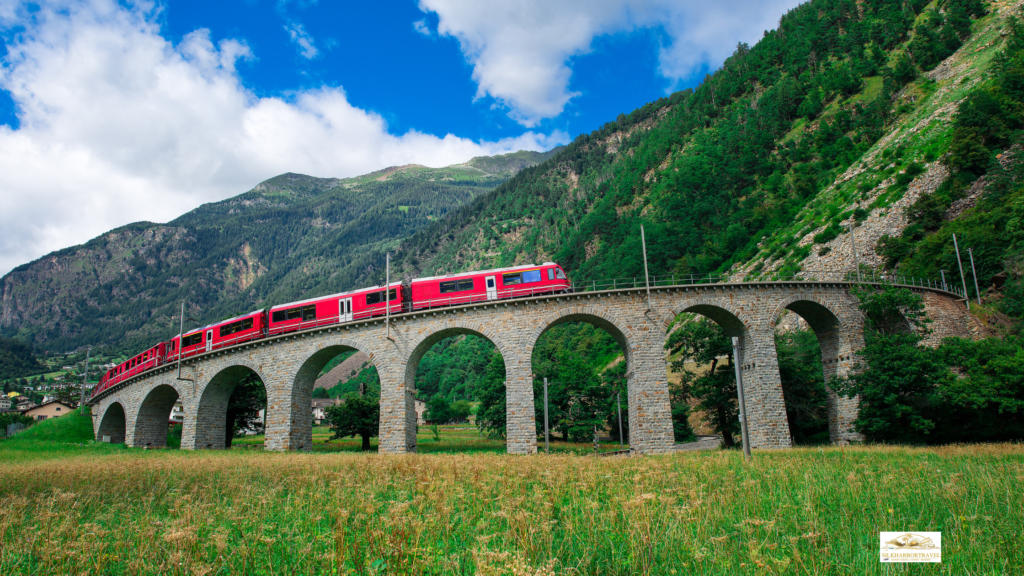

The best travel upgrades don’t just add comfort. They remove friction. That’s exactly what luxury train service is designed to do. Instead of fighting airport lines and connection stress, you move through landscapes at a human pace—with refined dining, attentive staff, and a cabin that feels more like a boutique hotel than a seat number. This guide is written for booking intent. You’ll learn what to expect, how to compare routes and operators, how pricing really works, and how to choose the right cabin so the trip feels worth every dollar.
Quick decision guide
- Want romance and heritage? Choose iconic European glamour routes.
- Want nonstop scenery? Choose daylight panoramic journeys in mountains or coasts.
- Want “done-for-you” travel? Choose itineraries with guided excursions included.
- Want a once-in-a-lifetime crossing? Choose multi-night epic routes with sleeper cabins.
What Luxury Train Service Is (and What It Isn’t)
People often assume “luxury” means chandeliers and tuxedos. Sometimes it does. However, the real definition is simpler: luxury train service is a travel experience where comfort, timing, and service are intentionally engineered so the journey itself feels premium. You’re not only buying transport. You’re buying reduced friction, better sleep, curated dining, and a calmer rhythm that makes travel days feel like part of the vacation.
It also helps to separate premium rail into two worlds. The first is “elevated regular rail”—think first class seats, quiet cars, lounge access, and upgraded meals on high-speed routes. The second is “experiential rail”—multi-course dining, heritage carriages, sleeper suites, and curated routes where scenery and atmosphere are the headline. Both can be premium. Only the second category typically delivers that unforgettable, story-like feeling people imagine when they picture the golden era of rail travel.
What it isn’t: it’s not always about speed, and it’s not always about nonstop onboard entertainment. Many premium routes deliberately move slower through the most scenic segments. They protect daylight for mountain passes. They schedule stops so the journey feels spacious rather than rushed. If you book expecting the fastest A-to-B option, you may choose the wrong product. If you book expecting a curated experience, you’ll understand the value immediately.
Why It Feels Different Than First Class Flights
First class flying can be spectacular, but it still requires you to tolerate airport friction: security, gate changes, boarding waves, overhead-bin tension, and the general feeling of being processed. Premium rail flips the mood. You arrive closer to departure time, settle in more naturally, and start enjoying the trip earlier. Even when the ticket price is comparable, the emotional experience often feels dramatically more relaxed.
The second difference is continuity. Flying creates a “before and after” with a hard break in the middle. A premium rail journey is continuous. Landscapes transition gradually, not in a jump cut. That matters if you value atmosphere, photography, or simply the calming effect of watching nature and towns flow by at eye level.
The third difference is space you can actually use. On many trains, you can move between cars, visit a lounge, step into a dining carriage, and change your environment during the day. That freedom makes longer travel time feel easier. If you want an experience that feels more like a moving boutique hotel than a seat assignment, rail wins.
Levels of Premium Rail: Seats to Suites
Level 1: Upgraded first class on regular routes
This is the most accessible form of premium rail: wider seats, quieter cars, fewer passengers, and often better onboard service. It’s great for day segments between major cities when you want comfort without paying for a full experiential itinerary. If you’re building a luxury trip with multiple destinations, these upgraded segments can make the entire itinerary feel smoother.
Level 2: Panoramic scenic journeys
These are designed around daylight and views. Panoramic windows, curated routes, and onboard pacing are the value drivers. The best scenic journeys get the timing right—mountain passes and river valleys appear during peak daylight, not after dark. If you care most about landscapes, prioritize this category and spend your budget on seats, windows, and daylight.
Level 3: Heritage glamour and signature dining
This is the “once-in-a-lifetime story” category. The atmosphere is the product: restored carriages, refined service, multi-course menus, and a sense of occasion. If you want romance, photos that feel cinematic, and a journey that’s as memorable as the destination, this is where you look.
Level 4: Sleeper suites and multi-night immersion
This is where premium rail becomes a true travel “container.” You unpack once, then live the itinerary. The suite matters here. Better sleep, better privacy, and better space change the entire experience. If you’re investing heavily, prioritize the cabin category over small add-ons. Sleep quality is the upgrade you feel every hour.
How to Choose the Right Route and Operator
The highest satisfaction comes from fit. Start with your preferred travel mood, not the most famous brand. Ask yourself what you want to feel each day: romantic and dressed up, quiet and scenic, guided and curated, or immersive and slow. Then choose the route that best delivers that mood.
- Is the best scenery timed for daylight? If not, the value drops.
- What’s included? Dining, drinks, excursions, transfers, and lounge access change the real cost.
- How important is sleep? If it matters, buy the best cabin category you can afford.
Next, evaluate service style. Some operators deliver warm, highly attentive hospitality with a “you’re being hosted” feeling. Others offer polished efficiency—quietly excellent but less social. Neither is better. It depends on your personality. If you want a calm, private experience, choose operators with a quieter onboard culture. If you want a celebratory mood, choose routes known for dining and lounge life.
Finally, consider the “edges” of the itinerary: how you’ll reach the departure station and where you’ll stay after arrival. Travelers often spend a premium on the onboard experience, then under-plan the first and last day. If you want the trip to feel truly high-end, protect those edge days with a comfortable hotel, simple transfers, and enough time buffers to avoid stress.
Pricing: What You’re Paying For
Premium rail pricing ranges from “worth it” to “why is this so expensive?” depending on what’s bundled. The best way to judge value is to break the price into four buckets: the cabin, the service, the dining, and the route design. A beautifully restored cabin with strong sleep comfort is a real cost driver. So is high staff-to-guest ratio service. Dining matters too—multi-course menus and beverage programs aren’t cheap. Finally, curated route design (especially with prime scenic timing) is a hidden value most people don’t price correctly until they experience it.
When people say a premium rail ticket was “worth it,” they’re usually describing one of two wins. Either the scenery was constant and breathtaking, or the onboard experience felt genuinely restorative—like they returned home less tired than when they left. That’s the outcome you’re buying: a travel day that doesn’t drain you.
A practical comparison helps. If a multi-night journey includes meals, drinks, and curated stops, compare it to a boutique cruise plus hotels, not a single hotel stay. If it’s a day journey with panoramic views and upgraded service, compare it to a first class flight plus the emotional cost of airports. Value becomes clearer when you compare the total experience, not a single line item.
Luxury Train Service Booking Playbook (Avoid Expensive Mistakes)
The easiest way to waste money is to book a famous name without confirming the scenery timing, cabin layout, and inclusions. If you want luxury train service to feel effortless, follow a simple sequence. Choose your experience type first, then lock your season, then pick the route, then select the best cabin you can comfortably afford. Only after that should you choose add-ons and excursions.
Step 1: Choose season based on daylight, not hype
Scenic journeys are heavily influenced by daylight hours. Longer daylight increases the amount of time you spend seeing the best landscapes. In mountain regions, season also changes the “color story”: summer greens, autumn gold, winter snow drama, and spring freshness. Choose the season that matches what you want to photograph and what you want to feel.
Step 2: Choose cabin category like it’s the main purchase
Cabin quality affects everything: sleep, privacy, comfort between stops, and how premium the trip feels minute-to-minute. If you’re deciding between a small upgrade and a better cabin, the cabin usually wins. The biggest “wow” moments still happen outside the window. The cabin is what helps you enjoy them without feeling tired or cramped.
Step 3: Protect your first and last day
Book a comfortable hotel the night before departure if you’re arriving from another city. Add time buffers for transfers. Avoid stacking a complicated travel day directly before your departure. Great trips start calm. If you want the purchase to feel high-end, the mood has to be protected from the beginning.
Spend your budget on route timing and cabin quality. Those two choices decide your daily views and daily comfort.
Onboard Life: Dining, Service, and Comfort
The best journeys have a rhythm that feels restorative. Mornings are slow and bright. Midday is designed for views, conversation, reading, and lounge time. Evenings feel more elevated—especially on heritage routes where dinner is part of the identity. If you mentally commit to that rhythm, you’ll get much more satisfaction from the experience.
Dining that feels intentional
On premium routes, meals aren’t “airline food on tracks.” They’re paced, served, and presented as part of the experience. If you have dietary needs, communicate early. The best operators can usually accommodate, but they need time to plan. If you’re traveling for celebration, ask about special menus or seating times. Small requests can meaningfully elevate the experience.
Service style: warm hosting vs quiet efficiency
Some operators deliver high-touch hospitality with a “hosted” feeling. Others deliver polished efficiency: discreet, professional, and calm. Both can be excellent. Choose the style that matches your personality. If you want a private trip, a quieter onboard culture can feel more luxurious than constant interaction. If you want celebratory energy, choose routes known for lounge life and dining-car atmosphere.
Comfort realities (so expectations stay realistic)
Even the best trains move. Track sound and gentle motion are normal. The point of premium cabins is that you can still rest well despite movement. If sleep is your priority, bring basic sleep protection and choose a cabin category known for strong sound insulation and comfortable bedding.
The Swiss Standard: Precision, Clean Design, and Reliable Comfort
Switzerland has a reputation for rail excellence for a reason. Even on “regular” routes, the system is built around timing, connectivity, and consistent comfort. That’s why Switzerland is often the best entry point for travelers who want premium rail without feeling overwhelmed by choices. You can build a trip that feels high-end through smart route selection, upgraded classes, and scenic segments that showcase the Alps at their best.
The Swiss style of luxury train service is often less about formal glamour and more about clean design, quiet comfort, and a frictionless experience. It’s ideal for travelers who want polished practicality: smooth station access, easy transfers, dependable timing, and scenery that feels continuous. If you value reliability as a form of luxury, Swiss routes often deliver a uniquely satisfying experience.
For booking intent, here’s the key: the “luxury” is frequently created by combining the right segments. A scenic daylight leg through mountain terrain, paired with comfortable seating, paired with a calm base hotel, can feel just as premium as a branded heritage itinerary—sometimes with more flexibility.
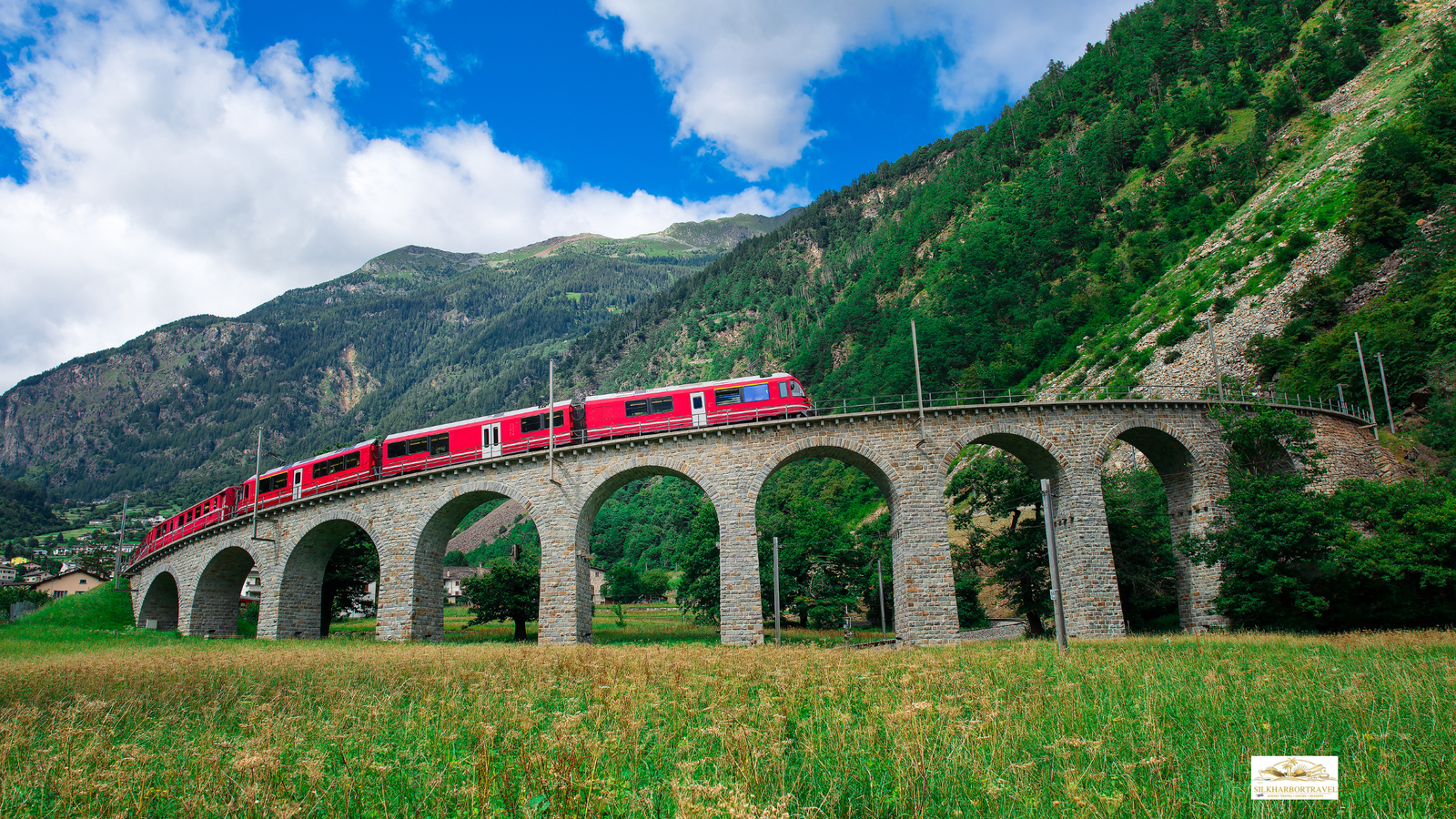
Moments like this are why travelers choose premium rail. The experience isn’t only the destination—it’s the steady, cinematic transition between places. When you book well, the journey becomes the part you talk about later.
Packing Checklist for Premium Rail Travel
Pack as if you’re moving through a boutique hotel that happens to travel. You want polish, comfort, and a few small items that remove friction. Cabin space can be tighter than a typical hotel room, so pack intentionally. The goal is to feel prepared without hauling a suitcase that interrupts the elegance of the experience.
- One elevated evening outfit (plus an easy layer for temperature changes).
- Comfort-first daytime outfits that still look refined in photos.
- Sleep support (earplugs or headphones) if you’re sensitive to motion or sound.
- Power backup (compact power bank + short cable) for phones and cameras.
- A small day bag for excursions and station movement.
- Minimal but smart toiletries so you feel fresh without overpacking.
If your itinerary includes excursions, pack footwear that handles uneven ground and cobblestones without ruining your day. If your trip is view-first, sunglasses and a small lens cloth are upgrades you’ll appreciate every time the light turns dramatic. A light sweater or wrap is also smart, since temperatures can shift between cars. When the scenery is the point, small comforts add up quickly and keep luxury train service feeling calm and polished.
Itinerary Ideas You Can Book (High Intent Options)
The easiest way to book confidently is to choose one “hero” rail segment, then build two simple destination stays around it. That approach creates a premium rhythm without forcing you into constant movement. It also helps your budget, because you spend on the segment that actually delivers the most value, then keep the rest of the trip straightforward.
Option A: Switzerland panoramic week (comfort + scenery)
Build a 5–8 day itinerary with one base in a lake or mountain town, and one base in a city for dining and culture. Add a scenic daylight segment through the Alps as your headline experience. This is ideal for travelers who want premium comfort, exceptional views, and minimal logistical stress. It’s also a strong choice if you want a polished, “quiet luxury” feel rather than a formal heritage vibe.
Buyer tip: prioritize daylight timing. If the scenic portion happens late in the day, you risk missing the best views. Confirm the schedule before you book and choose the segment that protects the prime scenic windows.
Option B: European romance segment (heritage glamour + city stays)
Choose one heritage-style rail segment as the centerpiece, then add two iconic city stays—one before departure, one after arrival. This structure feels luxurious because it creates an obvious “peak moment” in the middle of the trip. It’s perfect for anniversaries, proposals, milestone birthdays, and couples who want photos and memories that feel cinematic.
Buyer tip: spend more on the cabin than small add-ons. The cabin is your private world. A better cabin improves sleep, privacy, and the feeling that the trip is truly special.
Option C: Scenic mountain “reset” (short premium journey + slow days)
If you want to test premium rail without committing to a multi-night itinerary, choose a short scenic day journey. Pair it with a 3–4 night stay in a calm destination: spa hotel, lake resort, or mountain lodge. This is a high-value option because it delivers a luxury feeling without requiring a huge itinerary or intense planning.
Buyer tip: book the best seat positioning you can—window preference and carriage layout matter more than people expect. A great view is the easiest way to feel like you made the right purchase.
Option D: Multi-night immersion (sleeper suites + curated stops)
This option is for travelers who want a true “moving hotel” experience: unpack once, then watch landscapes change for days. The value comes from rhythm—dining, lounges, scheduled stops, and a feeling of being guided through a region without having to manage constant logistics. If you want the most complete expression of premium rail, this is where you look.
Buyer tip: verify what’s included. With multi-night itineraries, inclusions can vary significantly by operator and cabin class. Confirm excursions, beverages, transfers, and policies so you aren’t surprised later.
Want more planning help?
Explore more trip ideas and premium travel guides on our homepage, then come back and choose your best-fit rail style.
Visit Silk Harbor TravelVideo Inspiration
The video below adds visual clarity: carriage layout, onboard atmosphere, and the kind of scenery pacing that helps you decide what style fits your trip. If you’re comparing options, this makes it easier to choose the right luxury train service experience with confidence.
How to Book with Confidence
If you want the purchase to feel worth it, book from the inside out. Choose the experience type, confirm scenic timing, select the best cabin you can comfortably afford, then protect your first and last day. That’s how luxury train service becomes a true upgrade instead of just an expensive ticket.
When you get it right, the payoff is immediate: calmer travel days, better sleep, better meals, and a journey that feels like part of the destination. If you’re ready to plan, start by choosing your ideal style—heritage glamour, panoramic scenery, curated excursions, or multi-night immersion—then build the simplest possible trip around that one great segment.
Frequently Asked Questions
These quick answers help you compare operators, cabin categories, and what’s included so you can book with confidence.