
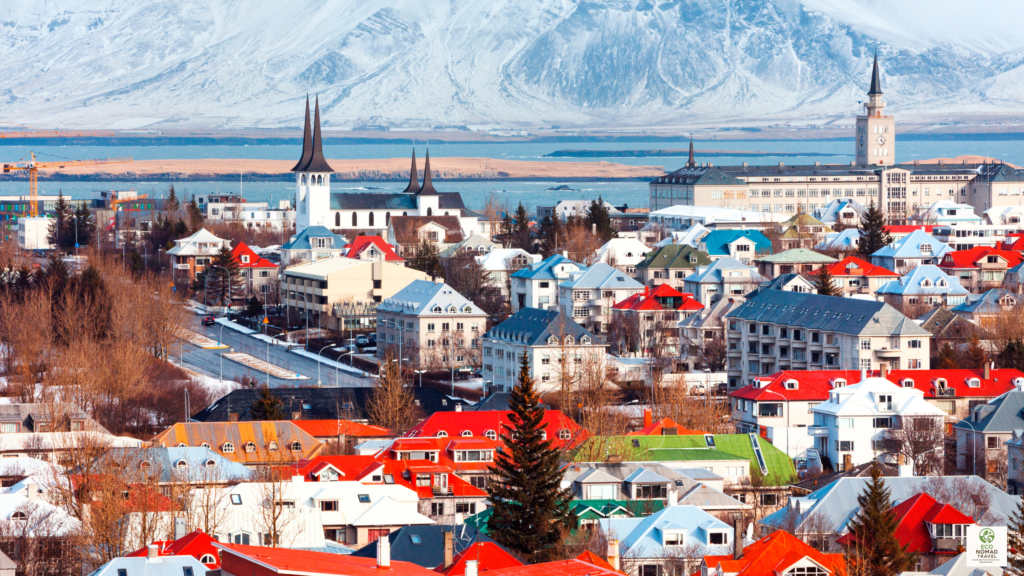

Wild, cinematic, and otherworldly, Iceland is the rare destination where luxury is defined not by chandeliers and ballrooms, but by access: to silence, to space, to elemental drama, and to experiences curated with exacting care. The country’s most desirable stays and services lean into this ethos—think design-forward lodges set against lava fields, private super-jeep expeditions across glaciers, helicopter routes to steaming volcanoes, and geothermal rituals delivered with spa-grade polish. This guide distills how to experience luxury in Iceland with intention, from when to go and where to stay, to what it costs and how to book the most coveted experiences before they sell out.
- Why Iceland Sets a New Standard for Luxury
- Best Time to Visit
- Where to Stay: The Luxury Landscape
- Arrivals and Getting Around
- Signature Experiences Worth the Splurge
- Dining and Drinks: Refined Nordic Flavors
- Wellness and Geothermal Rituals
- Costs and Budgeting
- How to Book: Advisors, Access, and Timing
- What to Pack for Iceland—Luxury Edition
- Mistakes to Avoid
- Etiquette and Sustainable Luxury
- Final Thoughts
Why Iceland Sets a New Standard for Luxury
Luxury in Iceland is not a copy-and-paste version of what you might expect in Paris or Dubai. Here, indulgence is synonymous with immersion and privacy. The top-tier experience often means fewer people around you, better guides, a tailored pace, and moments that feel difficult to repeat. You’ll trade opulent lobbies for sculptural minimalism, roaring fireplaces, and walls of glass framing glacial valleys. Concierges are as likely to be expert photographers and mountaineers as they are hospitality professionals. And the best itineraries prioritize the elements—ice, fire, water, and light—on your terms.
Another hallmark: logistics handled with foresight. Weather flexes fast in Iceland; elite providers anticipate plan B and C, seamlessly pivoting from a helicopter landing on a ridge line to a private super-jeep approach if clouds descend. When curated correctly, the unpredictability becomes part of the pleasure: your own film reel of shifting skies, sudden rainbows, and midnight sunsets on empty black-sand shores.
Best Time to Visit
There is no wrong season, only different flavors of Iceland.
Summer (June–August)
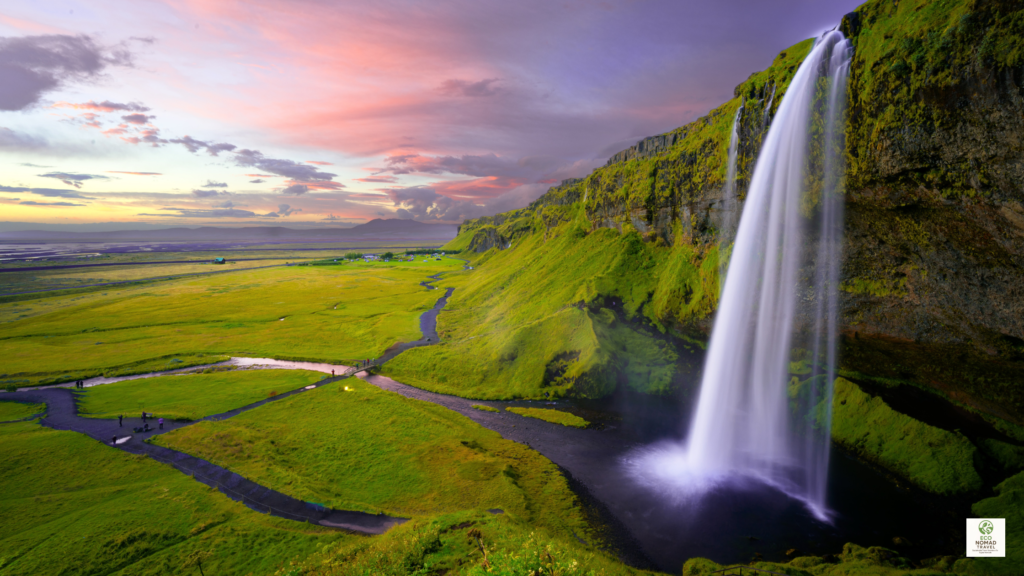
Long daylight is the headline advantage, but the real luxury is flexibility. With near-constant light in June, you can build days around weather windows instead of the clock. If the morning is foggy, you can push a hike or a helicopter flight later without “losing” the day. It’s also the best season for multi-stop itineraries that would feel rushed in winter: a late breakfast in Reykjavik, a scenic drive along the south coast, and still enough light for a sunset soak.
Highland access is another major summer unlock. Routes into the interior (often closed the rest of the year) open up, which is where private super-jeep day trips shine. If you care about photography, plan “soft light” blocks rather than rigid attractions: early morning or late-night golden-hour hikes, waterfall visits when the tour buses are gone, and quiet harbor walks that feel almost private.
What to pack and plan for: layers still matter. Even when temperatures hover around 10–15°C (50–59°F), wind and drizzle can change the feel fast. If you’re booking premium experiences, prioritize the ones that sell out first in summer: private driver-guides, small-ship wildlife tours, and boutique lodges with limited rooms. Also, plan your big outdoor day early in the trip, with a “weather swap day” later so your guide can shuffle the schedule if conditions shift.
Shoulder Seasons (May, September–October)
This is often the best value-for-experience window because you get a calmer Iceland without giving up comfort. You’ll still have long enough days for road trips and hikes, yet you’re more likely to find availability at top properties and better odds of snagging prime dinner reservations without months of lead time.
Photographically, shoulder season can feel cinematic: lower sun angles, dramatic cloud textures, moody light on lava fields, and fewer people in the frame. September and early October also strike a sweet spot for travelers who want “both worlds”: daytime exploration plus the return of Northern Lights (typically from late August/September onward when nights darken).
Practical planning tip: treat this season as “variable conditions.” You can have crisp, sunny days or early winter hints, sometimes in the same week. Build an itinerary with flexible outdoor blocks and a couple of high-comfort indoor anchors (spa time, museum afternoon, chef’s tasting menu). If you’re driving yourself, plan conservative distances and keep buffer time, especially in October when weather can turn quickly.
Winter (November–March)
Winter luxury in Iceland is about comfort plus logistics. The landscapes are stunning—snow on black sand, ice-blue rivers, frost-coated lava fields—but the days are short. That’s why a driver-guide becomes more than a convenience: they reduce stress, handle changing road conditions, and keep your schedule realistic. A flexible plan matters more than a packed one. The best winter trips feel unrushed, with fewer “must-dos” and more time built in for weather shifts.
Northern Lights viewing is strongest when skies are clear and darkness is deep, and winter gives you a wider nightly window. The key is to plan your nights like a premium experience: pick a property with minimal light pollution, ask about aurora wake-up calls, and consider a guided aurora chase if you’re staying in the city. Ice cave tours and glacier experiences are also winter specialties, but book reputable operators and aim for a day with a weather backup, since tours can be rescheduled.
Reykjavik around December and New Year’s can feel festive and lively, while January and February often provide cleaner winter conditions with fewer visitors. If you’re sensitive to darkness, add daytime “warmth rituals” into your plan: a long geothermal soak, a slow lunch, or a museum visit. That balance keeps winter travel feeling restorative instead of exhausting.
When to Book
Think of Iceland like a limited-inventory market, especially at the top end. The most exclusive properties often have a small number of suites, and the best private guides get locked in early. For peak summer, 6–12 months ahead is smart for premium rooms, private driver-guides, and high-demand excursions. For holiday periods (December and New Year’s), earlier is better—some travelers start planning a full year out.
What sells out first: boutique lodge suites, private transfers, helicopter time, and high-end wellness slots (especially limited-entry lagoons). If you’re building a luxury itinerary, book the “hard-to-move pieces” first (accommodations + guide + any aircraft or special access), then fill in the flexible activities. Also, ask for cancellation and change policies up front. Weather is part of Iceland’s reality, and having the ability to adjust plans without heavy penalties is a quiet form of luxury.
A helpful strategy is to reserve a few “premium placeholders” rather than overcommitting. For example, book one top-tier day excursion in the south, another in the west, and leave a free day that can become a second spa day or an extra adventure depending on conditions.
Where to Stay: The Luxury Landscape
Iceland’s luxury scene is boutique by nature. Even the high-end options tend to be smaller, design-led, and experience-driven. The differentiator isn’t just thread count; it’s location, atmosphere, and access: the ability to step outside into silence, soak in geothermal water under the stars, or have a guide ready when the weather opens.
If sustainability matters, “luxury” can also mean better sourcing and smarter operations: local ingredients, geothermal energy, thoughtful water use, and less waste. Many places talk about being “green,” but the best ones show specifics (energy, water, food sourcing, and community partnerships).
Design-Forward Hotels in Reykjavik
Reykjavik is your best base for a polished start or finish: dining, galleries, live music, and easy logistics. The best hotels lean into Nordic design—clean lines, warm textures, and quiet, competent service. For a luxury stay that feels effortless, choose a location that matches your itinerary: walkable access to downtown, harbor views if you want a sense of openness, or a more residential feel if you prefer calm.
What to ask for when booking: suite orientation (harbor vs. street), soundproofing, blackout curtains (especially in summer), and concierge support for hard-to-book tables. A strong concierge can dramatically improve your experience: private drivers, last-minute reservations, curated day trips that avoid crowds, and arrangements like in-room treatments.
Rate expectations vary, but the bigger value lever is what’s included: breakfast quality, airport transfers, spa access, and flexible check-in/check-out. If you’re arriving on an early flight, guaranteed early check-in can be worth more than a slightly cheaper rate.
Destination Spa Retreats
Geothermal bathing isn’t an “add-on” in Iceland; it’s part of the culture. Luxury spa retreats elevate it into a full ritual: curated thermal circuits, private changing areas, silica or mineral treatments, and calm design that encourages you to slow down. The best experiences feel unhurried. You’re not racing between pools—you’re resetting.
How to make it feel truly premium: book off-peak time slots (early morning or late evening), ask about private areas or upgraded access tiers, and plan your spa day around minimal driving. If your retreat offers dining, consider a long lunch or early dinner on-site so the entire day stays cohesive.
If you’re traveling in winter, spa retreats can be your “weather insurance.” When conditions are icy, a geothermal day becomes the highlight rather than a fallback. In summer, they’re a way to counterbalance long excursions and keep the trip from turning into a checklist.
Remote Luxury Lodges and Country Houses
This is where Iceland becomes the version people dream about: wide horizons, quiet roads, and night skies dark enough for aurora. Lodges in the north and west often focus on high-touch hospitality: refined meals, guided excursions that feel personal, and a sense that you’re living inside the landscape rather than observing it from a bus window.
When evaluating remote luxury, look at three things: guiding quality, food program, and location. A beautiful room is nice, but the best stays have strong local guides, excellent meals, and immediate access to the scenery you came for. Ask whether packages are semi-inclusive, what “activities included” really means, and whether private guiding is available. Also ask about road access in winter and the property’s flexibility if weather interrupts plans.
For longer stays, consider a “two-base” approach rather than constant moving: one base near Reykjavik/south coast, one remote lodge in the north or west. You’ll feel the difference in your stress level and the depth of experience.
Private Villas, Farmhouses, and Buyouts
For families, friends, or anyone wanting privacy, villas and farmhouse conversions can be the most luxurious option because they give you space and control. You can build a trip around slow mornings, shared meals, and flexible schedules. The best properties can be paired with services like private chefs, daily housekeeping, stocked kitchens, and a dedicated driver-guide.
What to confirm before booking: heating system, hot tub/geothermal access, winter road access, distance to groceries, and whether staff is on-call or on-site. Also clarify how “privacy” works—some properties are secluded but still close to a road, while others are truly remote.
Buyouts make sense when you want a unified experience: milestone celebrations, multi-generational trips, or small corporate retreats. The advantage is consistency—everyone is on the same schedule, the guide can tailor activities to the group, and meals can be planned around preferences. For ultra-exclusive options like helicopter-accessible stays or properties near headline attractions, book early and expect stricter change policies.
If you want, paste the next section of your article (or tell me your intended trip length and traveler type: solo/couple/family) and I’ll expand the itinerary logic too—how to pair these seasons with specific regions so the planning feels “done for you,” not just descriptive.
Location Guidance
- Reykjanes Peninsula: Proximity to KEF airport and leading geothermal spa complexes; ideal first or last nights.
- Reykjavik: Urban comforts, galleries, design shops, and fine dining; a polished base for day trips.
- South Coast and Golden Circle: Waterfalls, black-sand beaches, glacier access; diverse luxury lodges and villas.
- Snæfellsnes Peninsula: A microcosm of Iceland—lava fields, cliffs, beaches—paired with characterful inns and boutique stays.
- North Iceland (Troll Peninsula, Akureyri region): Big-sky landscapes, heli adventures, and winter playgrounds with exceptional guiding.
Arrivals and Getting Around
Arrivals
Most international flights land at Keflavík International Airport (KEF), roughly 45 minutes from central Reykjavík in good conditions. For a smooth arrival, luxury transfers typically use premium SUVs or executive vans with Wi-Fi, water, and space for bulky outerwear. If you’re arriving early, a pre-arranged meet-and-greet can remove friction: luggage help, a quick stop for essentials, then straight to your hotel without standing in lines.
A smart post-flight reset is a geothermal stop en route, but treat it like a reservation-only experience. Book your time slot in advance, build in extra buffer for baggage and customs, and ask your driver to handle timing so you’re not rushed. If you’re traveling in winter, plan arrivals with daylight in mind; even a small delay can shift the feel of the first day, so a relaxed spa stop and an early dinner often beats forcing sightseeing.
Private Drivers and Guides
For comfort, safety, and a genuinely “luxury” pace—especially outside summer—hire a private driver-guide. The value isn’t only the vehicle; it’s real-time decision-making. A great guide reroutes around wind warnings, picks the side-road viewpoint that tour buses skip, and knows when to swap the order of stops to avoid crowds or catch a clear sky. They also manage details that quietly improve the trip: timing bathrooms and coffee breaks, finding the best lunch option that day, and adjusting your schedule when conditions change.
Expect roughly $900–$1,500+ per full day for a private driver-guide with a premium vehicle, with pricing varying based on season, hours, and whether you’re doing complex routes. Clarify what’s included before you book: pickup window, maximum driving hours, mileage limits, parking fees, and whether guiding is “driver-only” or an actual certified guide with deep local interpretation. In winter, ask about safety protocols (storm alerts, alternate roads, cancellation terms) and whether the vehicle includes studded tires where appropriate.
Super Jeeps and Specialized Vehicles
For the highlands, glacier approaches, and some winter routes, standard SUVs don’t cut it. “Super jeeps” are modified 4x4s with oversized tires and higher clearance designed for rough tracks, snow drifts, and occasional river crossings where permitted. This is less about adrenaline and more about access: you reach landscapes most visitors never see, then return comfortably.
Private super-jeep excursions often start around $1,000–$2,500+ depending on duration and destination. Ask specifically what your route allows: some tours are “super jeep style” but stay on relatively tame terrain, while true highland access can be weather-dependent and may require flexible timing. Also confirm comfort details if you care about them: cabin heating, suspension, restroom stops (important on remote routes), and whether photography-friendly pacing is built in.
Helicopters and Domestic Flights
Helicopter charters turn logistics into a highlight: glacier landings, volcanic terrains (when conditions allow), coastal cliff flyovers, and transfers that shave hours off long drives. A short private scenic flight may begin around $1,500–$3,000+, while half- or full-day itineraries with multiple landings can run $5,000–$10,000+ or more depending on aircraft type and plan complexity. Weather is the boss, so the most elegant way to do this is to schedule a “primary heli day” plus a backup window. Build something enjoyable into both outcomes so a reschedule doesn’t feel like a loss.
For longer distances, scheduled domestic flights connect Reykjavík Airport to Akureyri, Egilsstaðir, and Ísafjörður. Fares often run $100–$300 one way, but the real cost is the total chain: transfers at both ends, baggage limits, and timing. If you’re pairing a flight with a remote lodge, have the lodge or concierge coordinate the entire handoff—airport pickup, check-in, and any same-day activity—so it feels seamless.
Self-Drive
Self-drive can be wonderful in summer and shoulder seasons if you prefer freedom and you’re comfortable with long stretches of open road. A premium SUV rental is usually the right baseline, and robust insurance is non-negotiable. Gravel protection matters on many routes, and wind damage is common enough that you should understand your coverage in plain language. Premium SUVs typically run $120–$200+ per day in peak months, and fuel is noticeably expensive compared with North America.
In winter, be honest about your risk tolerance. Iceland’s wind, ice, and sudden whiteouts can make “easy” drives feel serious. If you do self-drive, stick to main routes, check road conditions daily, carry a charged power bank, and never attempt F-roads (highland roads) in winter—many are closed and attempting them is unsafe and can void insurance. If you want winter landscapes without the stress, a private driver is often the difference between “tense” and “magical.”
Signature Experiences Worth the Splurge
Luxury in Iceland is experiential. The highest ROI upgrades are the ones that buy flexibility, privacy, and expert judgment—private guides, small-group access, and time windows that avoid crowds.
Geothermal Immersion, Elevated
At the top end, geothermal becomes a curated ritual: reserved time slots, premium changing areas, towels and skincare included, in-water drinks, and structured thermal circuits (hot/cold/steam/relaxation). Day packages often run $250–$500+ per person, while upgraded access tiers and private sessions can cost significantly more and sell out early.
To make it feel truly premium, book off-peak time slots (first entry of the day or late evening), ask about quiet areas, and plan a long meal afterward so you’re not rushing back to the car. If you’re doing this in winter, keep a dry base layer and warm socks ready for the “re-entry” moment—comfort details matter.
Helicopter Landings and Aerial Iceland
The best helicopter experiences combine variety: a geothermal area from above, a glacier landing, and a coastal or canyon pass on the way back. Ask for pacing that includes a short walk on the landing site (if safe), time for photos, and a realistic plan for weather shifts. If you want a “special moment” (champagne, picnic, proposal), coordinate it with your pilot and concierge so it’s tasteful and compliant with local rules.
Glacier Adventures with Private Guiding
A private glacier guide changes the entire feel: slower pacing, better safety attention, and time for photography rather than a rushed line of people. Budget roughly $600–$1,200+ for private half-day guiding; full-day combinations with super-jeep transport can exceed $1,500 depending on route and group size. Gear is typically included, but your clothing matters more than most people expect: waterproof shells, warm mid-layers, gloves you can still use a camera with, and sunglasses (glacier glare is real). Ask if the guide is certified for the exact activity—glacier hiking and ice caves can require different qualifications.
Volcano and Highlands Access
When volcanic activity allows, guided hikes to active or recently active areas can be unforgettable, but this category requires humility. Conditions can change quickly, and closures happen. The luxury play here is flexibility: book with operators who prioritize safety and can pivot to alternative routes without drama.
In summer, highland access opens up Iceland’s most surreal terrain: rhyolite mountains, geothermal valleys, and vast desert-like plateaus. These areas are best done with proper vehicles and guides who understand road conditions, river crossings (where allowed), and the local “dos and don’ts” that protect fragile landscapes. Full-day private tours often land around $1,200–$2,500+.
Coastal and Marine Privates
Private yacht or RIB charters for whales, dolphins, and puffins can be tailored to sea conditions and your comfort level. Expect around $1,200–$2,500+ for a few hours depending on vessel and location. If you want this to feel upscale rather than “touristy,” ask about capped passenger numbers, warm gear provided, heated cabins, and a flexible departure time that follows the best wildlife conditions.
Pairing a fjord cruise with a chef-prepared lunch or a coastal lodge overnight turns it from “an activity” into a full experience.
Icelandic Horses and Countryside Culture
Private rides showcase the famous tölt gait of Iceland’s unique horses, often through lava fields, farmland, or black-sand coastlines depending on region and conditions. For beginners, choose gentle routes with smaller groups and attentive guides—elegant and calm beats “hardcore” here. Private rides often range $300–$700+ depending on duration, location, and transfers. Confirm weight limits, what’s included (helmet, rain gear), and whether the route is truly scenic or mostly a riding arena experience.
Fly-Fishing, Rivers, and Quiet Luxury
Icelandic fly-fishing is a controlled, high-demand world: limited permits, strict river access, and prime weeks that book far ahead. Guide rates often run $600–$1,200+ per day, plus permits and transport. The luxury angle is pairing it with a lodge that can handle everything—permits, gear, waders, and a skilled ghillie—so you show up and fish. If you’re not an angler, this still works as “quiet luxury” content: riverside landscapes, slow mornings, and chef-driven meals.
Northern Lights, Without the Crowds
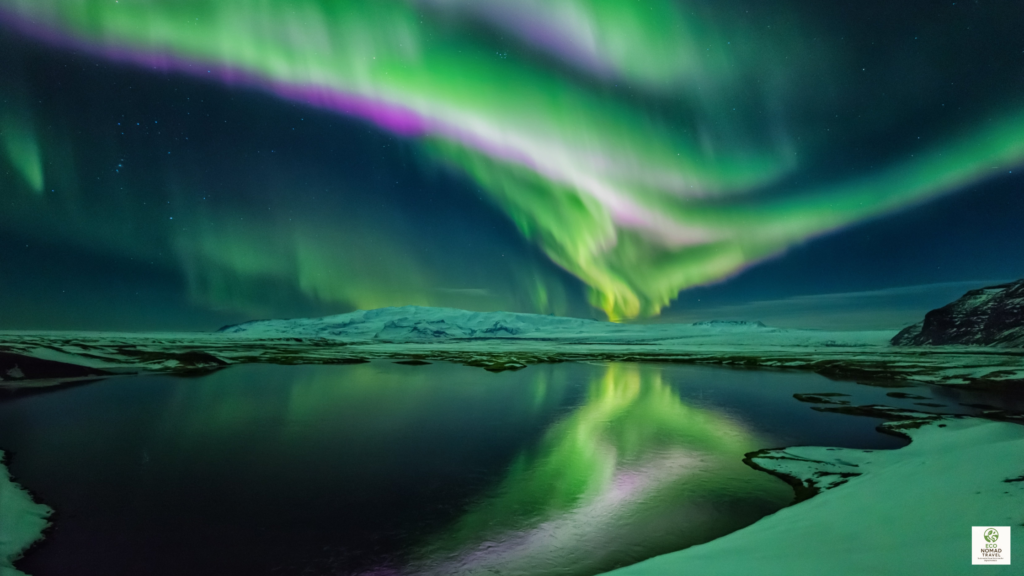
From late August through March (conditions permitting), a private driver-guide takes you beyond city glow to chase breaks in cloud cover. The difference between an average night and an unforgettable one is usually three things: flexibility, darkness, and patience. Ask for an open-ended window rather than a strict two-hour slot, confirm the vehicle is warm and comfortable, and bring serious layers—cold kills the experience faster than people expect.
If you want the most effortless version, stay at a property that offers aurora wake-up calls and has minimal light pollution. That way, you don’t “miss it” while you’re asleep, and you’re not relying entirely on driving long distances.
If you want, paste your next section (Dining/Itineraries/What to Pack) and I’ll match this same level of detail and keep the tone consistent with the “Luxury in Iceland” framing.
Serious photographers—and anyone who wants unobstructed frames—benefit from private photo guides. They study forecast models for wind, cloud cover, and light angles, then shape your route accordingly. Costs typically mirror private guiding day rates with a premium for advanced photography expertise.
Dining and Drinks: Refined Nordic Flavors
Iceland’s culinary scene leans into purity: pristine seafood, grass-fed lamb, foraged herbs, and dairy that tastes like it’s from a different century. Reykjavik concentrates many of the country’s leading restaurants, while top countryside lodges often field kitchens that could hold their own in capital cities. Expect tasting menus from roughly $150 to $300+ per person before wine; premium pairings elevate the experience. Cocktails at top bars trend $18–$25; craft beers around $10–$14. Reservations are essential in peak periods.
Insider tip: consider a private chef for a villa stay—curating a menu with hyperlocal ingredients and Icelandic breads, served in front of a crackling fireplace. Chef services vary but often begin around $150–$300 per person for multi-course dinners, excluding wine and staffing.
Wellness and Geothermal Rituals
Beyond marquee lagoons, many boutique properties incorporate wellness with saunas, steam rooms, cold plunges, and in-room massages. The most elevated spa experiences unfold unhurriedly: slow circuits through contrasting temperatures, guided breathing in outdoor pools, then nourishing, ingredient-driven meals. Book treatments early; therapists in high season are in demand.
Etiquette note: shower thoroughly without swimwear before entering communal pools—this is standard hygiene in Iceland. Towels and robes are typically provided at luxury venues; bring your own for remote hot springs where facilities are minimal.
Costs and Budgeting
Iceland is a premium destination, and true luxury escalates at the pace of privacy and access. Below are typical ranges; seasonal and currency fluctuations apply.
- Luxury hotels (Reykjavik): $450–$1,200+ per night for rooms and suites.
- Destination spa suites: $1,300–$2,500+ per night in peak periods.
- Remote luxury lodges: $900–$2,000+ per night; all-inclusive lodges can run several thousand per room per night.
- Private villas/buyouts: $1,500–$5,000+ per night, excluding chefs/guides.
- Private driver-guide: $900–$1,500+ per day, vehicle included.
- Super-jeep glacier day: $1,000–$2,500+ private.
- Helicopter charter: $1,500–$3,000+ short flights; $5,000–$10,000+ for multi-landing routes.
- Fine dining tasting menu: $150–$300+ per person; wine pairings additional.
- Premium spa day passes: $250–$500+ per person; private lagoon sessions higher.
- Domestic one-way flights: $100–$300; premium transfer at either end extra.
Payment is primarily by card; cash is rarely essential. VAT is typically included in displayed prices. Tipping is not expected in the way it is in North America, though rounding up or leaving a modest gratuity for exceptional private service is appreciated.
How to Book: Advisors, Access, and Timing
Iceland rewards those who plan. Elite experiences run on limited capacity, and the country’s best guides and pilots are booked by those who know.
- Use a luxury travel advisor with strong Iceland relationships for room upgrades, spa access, and priority waitlists. Advisors can secure soft benefits such as breakfast, credits, and flexible check-in/out at select properties.
- Reserve key anchors first: signature hotel nights, helicopters, private super-jeep days, and exclusive spa sessions. Then fill in around them with flexible sightseeing.
- Lock in restaurant reservations 30–60+ days out in peak season.
- Ask about buyout options for boutique lodges and villas, particularly for families and celebrations.
- Check cancellation policies; weather is dynamic and premium providers often maintain clearer rebooking frameworks than smaller operators.
What to Pack for Iceland—Luxury Edition
Dress for the elements while preserving a polished silhouette. Iceland’s look is elevated practicality: performance layers under refined knits, waterproof outerwear cut with intention, and footwear that can handle basalt without sacrificing style.
- Waterproof, windproof shell (jacket and trousers) with taped seams.
- Insulating mid-layer (down or synthetic) and merino base layers; two sets minimum.
- Waterproof boots with traction; in winter, consider removable microspikes for icy sidewalks.
- Cashmere or merino beanie, neck gaiter, and touchscreen gloves.
- Swimwear for lagoons and saunas; a second set for rotation.
- Refined evening layers: a wool coat, polished knitwear, leather boots or sleek sneakers; Reykjavik restaurants are fashionable but not formal.
- Compact daypack with dry bags for camera gear.
- Universal adapter and power bank; car USB charger for long drives.
- Reef-safe sunscreen and sunglasses—even in winter, the glare off snow and ice can be intense.
Mistakes to Avoid
- Underestimating distances: The Ring Road is longer than it looks. Avoid cramming too much into each day.
- Relying on last-minute bookings: The best guides, suites, and spa slots are limited. Reserve early.
- Driving challenging routes in winter: If you’re not experienced on ice and wind-swept roads, hire a driver.
- Ignoring weather forecasts: Build flexibility; a cloud ceiling can ground helicopters but open perfect conditions for coastal exploration.
- Chasing Northern Lights at all costs: Plan aurora attempts, but don’t hinge your trip on them—create joy beyond the forecast.
- Skipping proper gear: A luxury coat that isn’t waterproof is a liability. Function and form both matter in Iceland.
- Disrespecting closures: Off-limits trails and sensitive moss fields aren’t suggestions—fines are real and damage lasts decades.
- Drones without permits: Regulations are strict, especially near popular sites and private property. Always check local rules.
- Forgetting bathing etiquette: Shower thoroughly before lagoons; it’s a cultural norm and a courtesy.
- Not booking dinner: Peak months see prime restaurants full; allow your hotel to assist with reservations.
Etiquette and Sustainable Luxury
Iceland’s allure is raw and fragile. The most elevated travelers leave no trace: they stay on marked paths, respect wildlife distances, and keep drones grounded where prohibited. Book with operators who prioritize sustainability—electric or hybrid vehicles where possible, locally sourced menus, and fair-guide compensation. If bathing in wild hot springs, pack out everything, bring minimal-impact products, and avoid disturbing algae and rock formations. Your legacy is the view you leave for the next guest.
Final Thoughts
Done well, luxury in Iceland feels like a private dialogue with the elements. It’s the hush of steam drifting across lava at dawn, the thrum of rotor blades melting into coastal silence, and the glow of a fireside dinner where each plate speaks of sea and stone. The magic is as much in the orchestration as the scenery—smart planning, the right partners, and the willingness to let weather lead. Build space into your days, invest in exceptional guides, and allow Iceland to unfold as it does best: unexpectedly, beautifully, on its own terms.
Key Takeaways
- Luxury in Iceland is access-driven: privacy, top guides, and flexible logistics elevate everything.
- Book 6–12 months ahead for peak season hotels, helicopters, and private spa sessions.
- Invest in driver-guides or super jeeps in winter; conditions shift fast and expertise matters.
- Summer offers long light; winter delivers Northern Lights and ice caves—both are compelling.
- Expect premium pricing; prioritize a few signature experiences rather than over-scheduling.
- Pack refined performance gear; style and function are both essential in Iceland.
- Travel lightly on the land: follow closures, drone rules, and bathing etiquette.
FAQs
- When is the best time to experience luxury in Iceland?
For long days and accessible highlands, visit June–August; book far in advance. For Northern Lights and wintry drama, November–March is ideal with a driver-guide. Shoulder seasons (May, September–October) balance fewer crowds with evocative light.
- How far is Keflavik Airport from Reykjavik, and what’s the most comfortable transfer?
It’s about 45 minutes by road. Book a private SUV transfer with water, Wi‑Fi, and luggage space. Many travelers pair arrival or departure with a pre-booked geothermal spa session en route.
- Are helicopters worth the splurge?
Yes—if weather allows. Helicopters transform logistics into an experience, enabling glacier landings and volcano flyovers. Build a buffer day for weather and work with pilots who coordinate flexibly with guides on the ground.
- Do I need to tip in Iceland?
Tipping is not mandatory; service charges are typically included. For exceptional private service—driver-guides, pilots, chefs—a modest discretionary gratuity is appreciated but not expected.
- What should I wear for fine dining in Reykjavik?
Smart casual with a Nordic edge: polished knits, sleek boots, and tailored outerwear. Formalwear is unnecessary; focus on refined, weather-appropriate pieces you can layer.
- Is self-driving recommended for luxury travelers?
In summer, a premium SUV can be enjoyable. In winter, hire a driver-guide to remove stress and enhance safety. Either way, avoid closed or F-roads unless you have the right vehicle and expertise.
- How far in advance should I book top spas and private lagoons?
Weeks to months ahead in peak periods. Premium time slots and private sessions are limited, and properties strictly control capacity to maintain serenity.
- What are typical costs for private guiding and super-jeep days?
Private driver-guides often start around $900–$1,500 per day. Super-jeep glacier days commonly range $1,000–$2,500+ depending on route, duration, and inclusions.
- Can I count on seeing the Northern Lights?
No—auroras depend on solar activity and cloud cover. Travel between late August and March, build in multiple nights, and go with a private guide to maximize your chances without crowds.
- What’s the etiquette for geothermal pools?
Shower thoroughly without swimwear before entering, tie back long hair, and avoid glass near pools. At luxury venues, follow staff guidance and respect quiet zones for a serene atmosphere.