
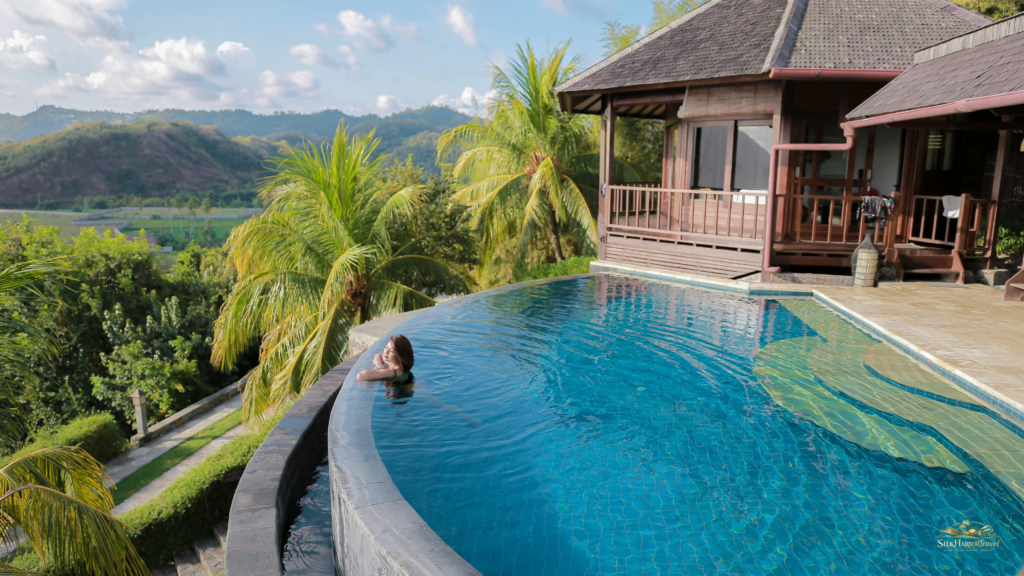

Category: Five-Star Resorts
Bali’s luxury hospitality scene is a masterclass in tropical indulgence. Think cliff-top infinity pools that blend into the Indian Ocean, jungle villas suspended above rice terraces, and service so intuitive your preferences are remembered before you mention them. The island’s most sophisticated five-star resorts excel in design, warmth, and a rare sense of place—whether you’re arriving for a honeymoon, a milestone celebration, or a restorative wellness break. This guide helps you choose the right area, understand pricing and timing, book with leverage, and maximize every thoughtful amenity.
Table of Contents
- Why Bali Is Built for Five-Star Resort Escapes
- Best Areas in Bali for Five-Star Resorts
- What to Expect at Five-Star Resorts in Bali
- Costs: Nightly Rates, Dining, Transfers, and Hidden Line Items
- Best Time to Visit Bali
- How to Book for Maximum Value
- Choosing the Right Resort for Your Style
- Smart Itineraries: Pairing Beach, Clifftop, and Jungle
- Dining & Drinks: On-Property Indulgence and Beyond
- Wellness, Culture, and Experiences
- What to Pack for a Five-Star Bali Stay
- Getting Around: Transfers and Logistics
- Mistakes to Avoid
- Sustainability and Cultural Etiquette
- Final Thoughts
- Key Takeaways
- FAQs
Why Bali Is Built for Five-Star Resort Escapes
Bali is an island where luxury isn’t just about square footage or thread count; it’s about atmosphere and a deeply rooted culture of hospitality. The Balinese concept of tri hita karana—harmony among people, nature, and the divine—filters into the service ethos. Spaces are designed to connect you with the environment: ocean view pavilions open to sea breezes, jungle spas where birdsong is the soundtrack, and sunset decks built for unhurried golden hours. Add a robust culinary scene, a wellness tradition that predates the current wave of spa tourism, and year-round warm weather, and you have an endlessly appealing canvas for luxury travel.
Crucially, Bali’s five-star resorts aren’t monolithic. You can choose clifftop drama in the south, serene beachfront sanctuaries, or leafy jungle seclusion up north in Ubud. Distances aren’t vast, but traffic can be; selecting the right base saves hours and shapes your experience.
Best Areas in Bali for Five-Star Resorts
Different pockets of Bali offer distinct moods. Pick an area that matches your priorities—views, daytime calm, nightlife, or proximity to temples and surf.
Uluwatu (Bukit Peninsula)
Vibe: Clifftop drama and “wow” views. This is the Bali of cinematic sunsets, limestone cliffs, and resorts designed to frame the ocean from every angle. Many properties feel deliberately secluded, with private villas, infinity pools, and pathways or lifts down toward small beaches (often tide-dependent). The tradeoff for the scenery is that swimming access can be limited at certain times of day, and getting around usually means relying on resort cars or drivers.
Who it suits: Honeymooners, privacy seekers, architecture/design lovers, and anyone who wants a quieter, more grown-up luxury mood. Families can do well here if you’re choosing a villa-style resort with lots of space and kids’ facilities—but plan for steep beach access and fewer casual walk-to options.
Helpful planning notes: If beach swimming is a priority, check whether the resort beach is swimmable year-round or mainly scenic. Also ask about wind exposure in peak dry season, and whether the property provides golf carts or shuttles around the grounds—some cliff resorts are expansive. For dining, Uluwatu has great restaurants, but they’re spread out; a private driver or pre-booked transport makes evenings much easier.
Approx. transfer time: 35–60 minutes from Ngurah Rai International Airport (DPS), traffic dependent.
Nusa Dua
Vibe: Classic beachfront luxury with “effortless” logistics. This is Bali’s most polished resort zone—manicured gardens, long beachfront walks, and protected swimming areas thanks to offshore reefs. Resorts here are often larger, with multiple restaurants, kids’ clubs, and full-service spas, which makes it easy to stay on-property without feeling bored.
Who it suits: Families, first-time luxury travelers to Bali, and anyone who wants reliable swimmable beaches, smooth service, and a calm resort rhythm. It’s also good for travelers who want a predictable, low-friction base with minimal planning.
Helpful planning notes: If you like a lively local feel, Nusa Dua can feel “self-contained,” so plan a few excursions (Uluwatu temples, Ubud day trip, or a private chef experience) to balance it. Ask about reef conditions and tide times for swimming, and whether the beach is public-facing (Bali beaches are generally public) but managed by the resort. For the best experience, choose a property with a wide beach frontage and shaded loungers—midday sun can be intense.
Approx. transfer time: 20–40 minutes from DPS.
Jimbaran Bay
Vibe: Soft-sand beach days with understated luxury. Jimbaran is calmer than Seminyak and less dramatic than Uluwatu, but it’s one of the easiest places to combine excellent beach time with quick airport access. The bay is gentle, sunsets are beautiful, and the mood leans relaxed and spacious rather than flashy.
Who it suits: Couples and families who want a mellow beach base with calm water and easy logistics. Great if you’re arriving late or leaving early and don’t want long drives. Also excellent for travelers who care about dining but don’t need the nightlife intensity of Seminyak.
Helpful planning notes: The beach seafood dinners are iconic, but quality varies—ask your hotel concierge where to go for the best experience. Jimbaran is also a strong “split-stay” option: 2–3 nights here for beach recovery, then move to Ubud for jungle/wellness. If you’re sensitive to aircraft noise, confirm your resort’s exact location and room orientation.
Approx. transfer time: 15–30 minutes from DPS.
Seminyak & Petitenget
Vibe: Stylish, social, and food-forward. This is where Bali feels cosmopolitan: high-end boutiques, renowned restaurants, beach clubs, and a steady hum of energy. Luxury hotels and villa resorts often sit behind the main streets, so you can dip into the scene and retreat back into privacy.
Who it suits: Foodies, shoppers, friends’ trips, and travelers who want “resort comfort” plus walkable dining and nightlife. It’s a great base if you want to explore by foot or short taxi rides rather than organizing drivers all day.
Helpful planning notes: Traffic can be heavy, so choose accommodation with good local access: near the beach if you want sunset walks, or closer to dining streets if restaurants are the priority. Noise can vary block to block—ask for a quieter room or villa position if you’re a light sleeper. If you’re planning day trips to Ubud or Uluwatu, schedule early starts to avoid sitting in traffic for hours.
Approx. transfer time: 30–60 minutes from DPS.
Canggu
Vibe: Surf-meets-wellness with a fashionable edge. Canggu is known for cafes, studios, beach sunsets, and a casual-chic scene. Luxury here is more boutique or villa-style than classic five-star beachfront, and the coastline is often black-sand with strong surf conditions rather than calm swimming.
Who it suits: Wellness-minded travelers, surfers, creators/digital nomads, and guests who like a lively, youthful atmosphere with great coffee and health-forward dining. Best if you prefer “cool and curated” over “formal and polished.”
Helpful planning notes: If you want calm ocean swimming, Canggu usually isn’t the easiest fit—think waves and beach walks instead. Villas can be incredible here, but location matters: some lanes are quiet, while others are party-adjacent. If peace is important, choose a property slightly outside the busiest pockets and plan a driver for evenings. Also note that traffic can be slow; build extra time for transfers.
Approx. transfer time: 45–90 minutes from DPS, sometimes longer at peak times.
Ubud
Vibe: Jungle immersion and cultural depth. Ubud is all about rivers, rice terraces, temples, crafts, and a wellness-first luxury scene. Five-star properties often feature spa programs, yoga shalas, meditation spaces, and villas that feel wrapped in nature. It’s not a beach destination—this is where you go for restoration and culture.
Who it suits: Couples, wellness travelers, solo reset trips, culture seekers, and anyone who wants greenery, quiet mornings, and a slower pace. Also great for travelers who want guided experiences: cooking classes, temple visits, artisan studios, and nature walks.
Helpful planning notes: Ubud is best enjoyed with a bit of structure. Plan early mornings for popular sights to avoid crowds, and keep afternoons open for spa time or pool downtime. If you’re sensitive to humidity, ask for villas with good airflow and mosquito control; jungle settings are beautiful but come with nature. Consider a split stay: beach first (Jimbaran/Nusa Dua), then Ubud for a deeper, calmer finish.
Approx. transfer time: 60–90 minutes from DPS (traffic variable).
Sanur
Vibe: Easy, classic, and sunrise-facing. Sanur has a laid-back beachfront promenade with calmer water than many west-coast beaches. It’s less “scene-y” than Seminyak and generally quieter, with a family-friendly, low-key charm. It’s also a convenient jumping-off point for day trips and boat connections.
Who it suits: Families, multi-generational travelers, and anyone who wants calm mornings, easy walking/biking, and a quieter base that still feels connected. It can be a great option for travelers who want beach time without the beach-club intensity.
Helpful planning notes: Sanur is ideal if you like morning routines—sunrise walks, easy breakfasts, and gentle swim conditions. If you want big sunset moments, you’ll likely head elsewhere in the evenings since Sanur faces east. Choose a property with direct promenade access if you want the “walk out and wander” lifestyle.
Approx. transfer time: 30–45 minutes from DPS.
Northwest & West Bali (Seseh, Tabanan, beyond)
Vibe: Seclusion, landscape, and slow luxury. This is where Bali feels wide open: fewer crowds, expansive views, and villa-style properties that prioritize privacy. Dining options outside the resort are more limited, which is part of the appeal if you want a self-contained retreat with beautiful surroundings.
Who it suits: Privacy seekers, groups or families booking villas, and travelers who are happy to dine in-resort or with a private chef. Great if your definition of luxury is quiet, space, and nature rather than nightlife and shopping.
Helpful planning notes: This area rewards planning. Confirm exactly what’s nearby (restaurants, cafes, pharmacies) and how long it takes to reach key attractions. If you’re booking a villa, ask about staffing: daily housekeeping, on-call chef, driver availability, and whether the property can arrange excursions smoothly. These locations can be perfect for a “do less, enjoy more” portion of the trip—think pool, books, massages, and one scenic outing per day.
Approx. transfer time: 60–120 minutes from DPS, depending on exact location and traffic.
If you want, tell me your traveler type (couple/family/solo), your ideal vibe (peaceful vs social), and your must-haves (swimmable beach, spa, private pool, dining), and I’ll recommend the best 2-area split stay and how many nights in each.
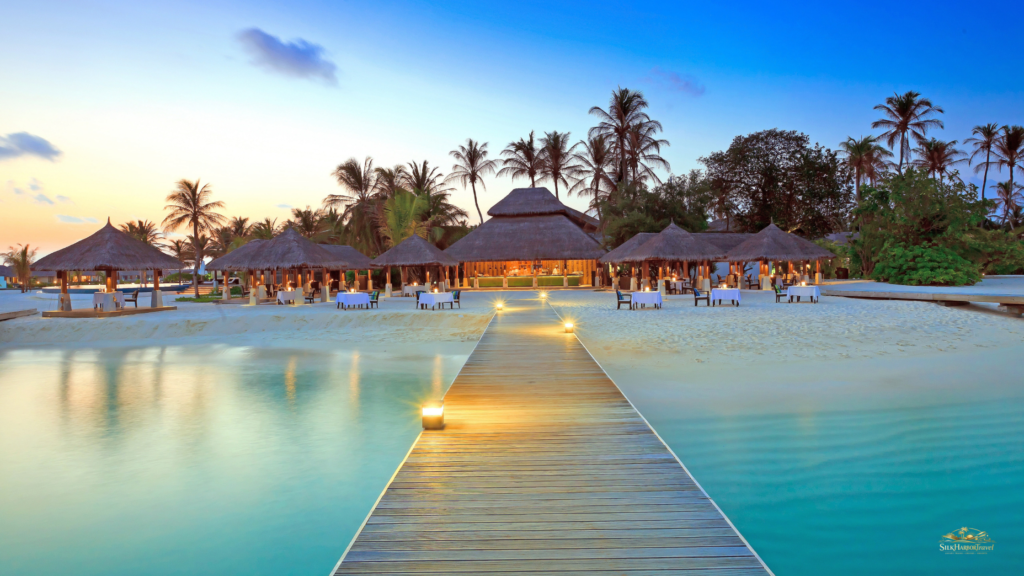
What to Expect at Five-Star Resorts in Bali
Bali’s top-tier properties prioritize both aesthetics and substance. You’ll encounter locally inspired design—volcanic stone, teak, rattan, and handwoven textiles—alongside modern comforts. Service is personal and warm, typically with staff who remember your name by the second morning. Some typical hallmarks:
- Distinctive accommodations: Suites with indoor-outdoor living; private pool villas with walled gardens or cliff-edge decks; multi-bedroom residences for families or friends.
- Serious wellness: Destination spas, expert therapists, hydrotherapy facilities, and daily yoga or movement classes. Treatments often blend Balinese techniques with contemporary modalities.
- Food & beverage excellence: Breakfasts that are as much a ritual as a meal, poolside dining, contemporary Indonesian cuisine, and in many cases, notable fine-dining restaurants or chef collaborations.
- Thoughtful experiences: Private temple visits, sunrise treks, guided rice field walks, cooking classes, surf lessons, or boat trips to nearby islands.
- Family-friendly infrastructure: Kids’ clubs at select resorts, shallow pool zones, and connecting rooms or two-bedroom villas; babysitting can be arranged in advance.
- Discreet service: Efficient housekeeping, turndown rituals, and butler-style assistance at the villa level in many properties.
Costs: Nightly Rates, Dining, Transfers, and Hidden Line Items
Bali offers a wide spectrum of five-star pricing. Rates fluctuate with season, occupancy, and special events. The following ranges are typical benchmarks to help you budget:
- Nightly rates (low to shoulder season): Premium suites typically from around USD 350–800 per night; private pool villas from around USD 600–1,800 per night. Smaller boutique properties may price lower; ultra-luxury categories can run higher.
- Nightly rates (peak season): Premium suites often from USD 500–1,500+; private pool villas from USD 900–3,000+, with signature villas sometimes USD 4,000+ depending on size and exclusivity.
- Taxes & service: Expect around 21% in combined service charge and government tax added to room rates and dining, unless otherwise stated.
- Airport transfers: Standard car transfers typically USD 25–60 each way; luxury SUV or van transfers USD 60–120+. Some resorts include round-trip transfers in certain packages.
- On-property dining: Resort breakfasts may be included or priced around USD 25–45 per person if à la carte. Casual lunches around USD 20–40 per person; cocktails USD 12–25; fine-dining tasting menus often USD 80–200+ per person before wine.
- Spa treatments: 60–90 minute treatments commonly USD 80–200+ depending on therapist expertise and facilities; multi-hour rituals priced higher.
- Private experiences: Full-day private car with driver often USD 60–120; guided cultural tours or boat charters priced by exclusivity and inclusions.
Tip: Value often spikes in shoulder season. Watch for stay-longer offers, resort credits, dining inclusions, or complimentary transfers that meaningfully improve the equation.
Best Time to Visit Bali
Bali is tropical year-round, but seasons matter for sun, surf, and clarity of water.
- Dry season (roughly April–October): Generally less humid with lower rainfall, vivid sunsets, and better conditions for beach days and boat trips. This is the ideal time for most travelers.
- Shoulder months (May, June, September): Often the sweet spot—excellent weather with fewer crowds and more favorable rates than the July–August peak.
- Peak periods: July–August and late December to early January. Book well in advance; expect higher nightly rates and minimum-stay requirements.
- Rainy season (roughly November–March): Showers are common, especially December–February, though mornings can still be sunny. Jungle stays remain beautiful, but beach conditions vary.
- Nyepi (Day of Silence): A sacred Balinese Hindu holiday usually in March. The entire island pauses—no flights, no road traffic, lights kept dim. Many travelers embrace a resort day of rest; plan around it if you need to travel on that date.
How to Book for Maximum Value
For five-star stays in Bali, the channel you use can significantly shape the experience and value. Consider the following strategies:
- Book direct for tailored perks: Resorts often extend best-rate guarantees and may customize amenities—think breakfast inclusion, airport transfers, or resort credits—especially on longer stays.
- Use a luxury travel advisor: Membership programs like Virtuoso or elite credit card platforms can unlock daily breakfast, resort credits, and potential upgrades, without increasing the base rate.
- Monitor dynamic pricing: Rates move with demand. If your dates are flexible, check midweek vs. weekend or shift by a day or two to shave significant cost.
- Mind cancellation policies: Peak seasons often have stricter terms and longer cancellation windows. If your plans are fluid, pay attention to refundable vs. nonrefundable rates.
- Ask about renovations or events: A quick pre-booking email can surface any scheduled works or buyouts. Choose another week if serenity is your priority.
- Pre-arrival contact: Submit arrival time, pillow preferences, mobility needs, dietary notes, and special occasions. Bali teams excel at personalizing when given details.
Choosing the Right Resort for Your Style
The best five-star resort is the one that aligns with how you like to spend your day. Ask yourself the following:
Clifftop, Beach, or Jungle?
- Clifftop (Uluwatu): Majestic views, unforgettable sunsets, and a feeling of escape. Note that beach access can be steep and tide-dependent. Pools are often the central play.
- Beachfront (Nusa Dua, Jimbaran, parts of Seminyak/Sanur): Easy ocean dips, sunrise or sunset strolls, and simpler logistics with children. Some beaches have seasonal currents; confirm swimming conditions.
- Jungle (Ubud and beyond): Lush greenery, river sounds, and deep calm. Choose here if wellness, culture, or cool evening air appeals more than the beach.
Suite vs. Villa
- Suites: Efficient luxury, often closer to dining and pools. Great for couples who spend much of the day out and about.
- Private pool villas: Walled gardens or cliff-edge decks, indoor–outdoor bathrooms, and separate living areas—ideal for honeymooners, privacy seekers, or families who want nap-time flexibility.
- Residences: Multi-bedroom layouts with kitchens and larger pools for extended families or friends traveling together.
Couples, Families, or Friends?
- Couples: Prioritize sunset positioning, private pools, and spa credentials. Consider clifftop for drama or Ubud for cocooning calm.
- Families: Look for kids’ clubs, shallow pool zones, connecting rooms or two-bedroom villas, and walkable beach access. Nusa Dua and Jimbaran are perennial favorites.
- Friends’ getaways: Seminyak and Canggu offer dining and nightlife. Consider a villa with separate bedrooms and a generous pool deck for long, leisurely afternoons.
Smart Itineraries: Pairing Beach, Clifftop, and Jungle
Bali rewards a two-center (or three-center) approach. Moving once keeps things fresh without spending your trip in transit.
- Classic 6–8 nights: 3–4 nights Uluwatu (cliff sunsets), then 3–4 nights Ubud (jungle wellness). Finish with a late lunch facing the rice terraces before heading to the airport.
- Family 5–7 nights: 3–4 nights Nusa Dua (beach ease) and 2–3 nights Ubud (gentle adventures: monkey forest, rice terraces, cultural workshops).
- Food & fashion 4–6 nights: Base in Seminyak or Petitenget for restaurants and boutiques; add a night or two in Uluwatu for cliffside sunsets and spa days.
- Extended escape 10–12 nights: Combine Jimbaran (soft beach days), Ubud (wellness immersion), and a quieter west-coast villa for uninterrupted privacy.
Dining & Drinks: On-Property Indulgence and Beyond
Breakfast in Bali is an occasion—expect tropical fruit, fresh juices, artisanal pastries, and à la minute eggs alongside Indonesian staples like nasi goreng. Many five-star resorts curate signature restaurants showcasing local produce and seafood, with wine lists that balance Old World classics and New World discoveries. You’ll also find sophisticated takes on Indonesian cuisine and international comforts done well.
Beyond the resort, Seminyak, Canggu, Ubud, and Jimbaran host serious culinary talent across a range of styles, from tasting menus to refined warungs. If you’re traveling with children, consider early seatings. For peak-season dinners at sought-after venues, reserve a week or more in advance. Your concierge can secure preferred tables and arrange transfers.
Wellness, Culture, and Experiences
Balinese wellness has deep roots, and five-star resorts translate this into compelling spa programs, from tension-melting bodyworks to meditative sound baths. Yoga classes are often complimentary for guests; private sessions can be arranged on clifftop pavilions or jungle platforms. For a sense of place, add a rice-terrace walk at dawn, a temple blessing with local guides, or a market-to-table cooking class.
Ocean lovers can surf, stand-up paddle, or take day trips to Nusa Lembongan or Nusa Penida for snorkeling and boating. On land, a private driver makes it easy to reach waterfalls, artisans’ studios, or scenic lunch spots. If you prefer to stay put, resorts can create in-villa dining rituals, floating breakfasts, and stargazing setups that transform your private pool into a stage.
What to Pack for a Five-Star Bali Stay
Think polished resort-casual with breathable fabrics, plus a few elevated pieces for dinners. Essentials include:
- Lightweight linen or cotton separates; a dress or collared shirt for evening.
- Swimwear and a chic cover-up; reef-safe sunscreen and a broad-brim hat.
- Comfortable sandals; sturdier shoes if you plan jungle walks or temple steps.
- Light shawl or sarong for temple visits (some resorts provide, but pack one you like).
- Insect repellent, after-sun aloe, and any personal medications.
- Universal travel adapter; Indonesia typically uses Type C/F plugs and 230V voltage.
- Daypack or tote for excursions; reusable water bottle to reduce plastic.
Dress code: Most resorts are relaxed but refined. Beach clubs may skew smart-casual in the evening; pack accordingly.
Getting Around: Transfers and Logistics
Traffic in southern Bali can be unpredictable. Build in buffers for airport runs and sunset dinner reservations.
- Private car & driver: The most comfortable way to explore. Book via your resort or trusted providers; day rates often include fuel and waiting time.
- Ride-hailing: Services operate widely, though some resort areas have pick-up restrictions. Your concierge can advise and arrange alternatives if needed.
- Taxis: Blue-chip operators use meters; your resort can order a reliable cab.
- Scooters: Common locally but not advisable unless you’re highly experienced. Safety and insurance considerations matter.
- Boats & helicopters: For island hops or scenic transfers, private charters can be arranged; check scheduling and luggage limits.
Mistakes to Avoid
- Choosing the wrong base: If nightlife and restaurants are central, don’t isolate yourself on a distant cliff; if you crave serenity, avoid the busiest beachfronts.
- Ignoring tides and beach conditions: Some beaches are more swimmable at certain tides and seasons. If swimming is essential, ask before booking.
- Underestimating traffic: A 12-mile drive can take an hour or more at peak times. Keep your days pleasantly ambitious, not over-scheduled.
- Overlooking taxes and service: The typical 21% on rooms and dining adds up; factor it into your budget.
- Forgetting Nyepi: The Day of Silence is magical but immovable—no flights and no going out. Plan to luxuriate in-resort if you’re there.
- Skipping travel insurance: For peak season and nonrefundable rates, insurance is the sensible choice.
- Not pre-booking signature experiences: Spa rituals, private dinners, and top tables can book out in high season.
Sustainability and Cultural Etiquette
Many high-end resorts in Bali incorporate sustainability initiatives—from reducing single-use plastics to supporting local artisans and conservation. You can contribute meaningfully by making mindful choices:
- Carry a reusable bottle; some resorts provide filtered water in-room.
- Choose reef-safe sunscreen and avoid touching coral when snorkeling.
- Support local designers and craftspeople; ask your concierge for recommendations.
- Respect temple etiquette: cover shoulders and knees, speak softly, and follow local guidance.
- Use your right hand for giving/receiving items; it’s considered more polite in many contexts.
Final Thoughts
Five star resorts in Bali deliver an artful blend of sensory pleasure and soulful calm. Whether you wake to the hush of the jungle or the low rumble of ocean surf, the island wraps you in a rhythm that invites presence. Choose your setting, book with intention, and let the resort’s attentive teams choreograph the rest—from sunrise yoga to sunset toasts. With the right plan, your stay becomes more than a vacation; it becomes a benchmark for everything that follows.
Key Takeaways
- Pick your base by mood: clifftop for drama, beachfront for ease, jungle for wellness and culture.
- Shoulder months (May, June, September) deliver superb weather with better rates and fewer crowds.
- Use luxury advisors or brand programs for added perks like breakfast, credits, and upgrade consideration.
- Budget for 21% taxes/service; spa rituals typically start around USD 80–200+ and cocktails are USD 12–25.
- Pre-book signature experiences and transfers, and allow buffer time for traffic.
- Pack refined resort wear, a temple-appropriate cover-up, reef-safe sunscreen, and a universal adapter.
- Respect Nyepi and local customs; the island’s culture is integral to the experience.
FAQs
- Which area is best for first-time visitors seeking a five-star resort?
For a classic beachfront introduction with elegant ease, Nusa Dua or Jimbaran are excellent. If sunsets and dramatic views are your priority, Uluwatu’s clifftops are unforgettable. Pair with Ubud for a balanced first trip. - How far in advance should I book a five-star resort in Bali?
For peak periods (July–August, late December), aim for 3–6 months ahead, especially for villas and suites with private pools. Shoulder season stays often secure ideal options 6–10 weeks in advance. - Are private pool villas worth the premium?
If privacy, leisurely mornings, and personalized in-villa dining appeal, the premium pays dividends. For travelers who plan to be out exploring most of the day, a well-located suite can be the smarter value. - What’s a realistic nightly budget for a top-tier experience?
In shoulder season, expect roughly USD 600–1,800 for private pool villas or USD 350–800 for premium suites, plus 21% tax/service. Peak-season rates rise accordingly; packages with breakfast and credits can soften the spend. - Is Bali suitable for luxury family travel?
Absolutely. Many resorts offer connecting rooms, two-bedroom villas, kids’ programs, and gentle beaches—especially in Nusa Dua and Jimbaran. Book early for school holidays and request baby gear or children’s amenities in advance. - Do I need to rent a car?
Generally, no. A private driver arranged by your resort is comfortable, safe, and surprisingly cost-effective. Ride-hailing and taxis are widely available, though pick-up rules vary by area. - When is the best time for clear water and calm seas?
Conditions vary by coast, but the dry season (roughly April–October) generally brings calmer seas and better visibility. For specific beaches or snorkeling trips, ask your concierge for current, local advice. - Can I rely on last-minute deals for five-star resorts?
Occasionally, but it’s risky in peak periods when top categories sell out. If you’re flexible on room type and area, last-minute can work in shoulder or low season; otherwise, book early and leverage advisor benefits. - What should I wear to temples and cultural sites?
Cover shoulders and knees; a sarong is customary and often provided at major temples, though bringing your own is convenient. Dress modestly, speak quietly, and follow local guidance, especially during ceremonies. - Is tipping expected at Bali’s five-star resorts?
A service charge is typically included, but many guests leave a small discretionary tip for standout service or at the end of the stay. Your butler or concierge can advise on norms if you’re unsure.