
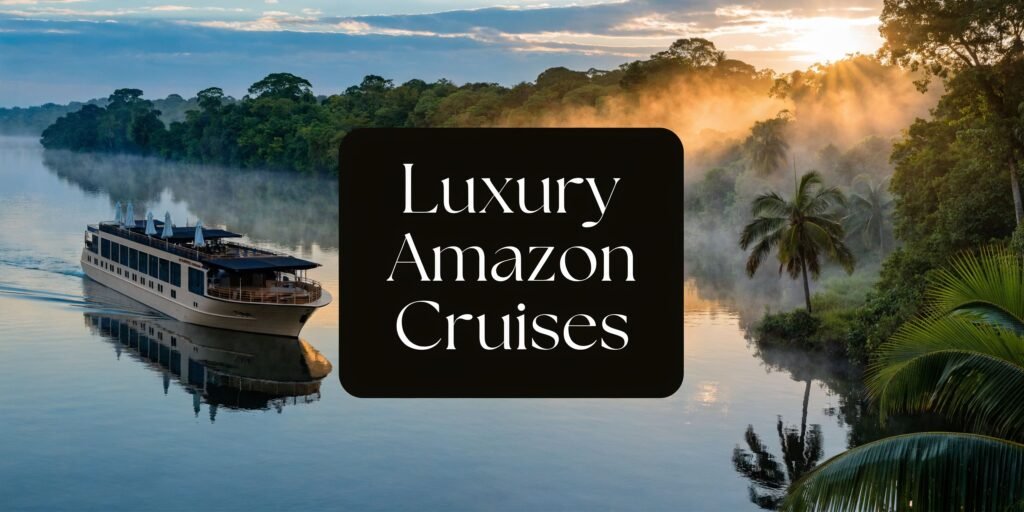

Luxury amazon river cruises tend to attract the same kind of traveler. Someone planning a honeymoon, an anniversary, or a once-in-a-lifetime escape who wants the Amazon to feel wondrous, not logistically messy. That instinct is right.
The best amazon river cruises are not defined by gold fittings or oversized suites alone. They are defined by smooth transfers, the right season, a vessel that matches your priorities, and guides who know when to turn a quiet bend in the river into the highlight of your trip. If you are comparing options, start with the same framework I use for clients: season, region, and ship style. Those three choices shape almost everything that follows.
A premium Amazon trip can be extraordinary. It can also disappoint if you book the wrong itinerary for the wrong water level, or choose a ship whose strengths do not match your reason for going. If you want a broader grounding in upscale voyage planning before narrowing in on the Amazon, this primer on how to choose a luxury cruise is a useful companion.
An Introduction to Five-Star Amazon Exploration
You arrive in Iquitos after a long international routing, and within an hour it becomes clear what kind of Amazon trip you booked. On the best journeys, someone is waiting, bags disappear smoothly, the lodge or ship transfer runs on time, and by sunset you are on the water listening for macaws instead of sorting out logistics. That difference marks the beginning of five-star Amazon travel.
The Amazon rewards good decisions early. A polished suite matters, but it is rarely the factor that makes the trip unforgettable. Vessel size affects where you can go and how close you get to the quieter tributaries where sightings often improve. Itinerary pacing changes the mood of the trip too. Some routes feel rich and active. Others create the deeper sense of remoteness that many milestone travelers prioritize.
That is why luxury here is a matter of fit, not excess.
A larger ship can deliver more spacious cabins, broader public areas, and a steadier onboard rhythm. The trade-off is access. Smaller expedition vessels usually reach narrower waterways and tend to feel more personal on excursions, which often leads to better wildlife moments and less waiting around for the group to organize itself. The right choice depends on whether your priority is onboard space, field access, or a careful balance of both.
The same logic applies to upgrades. Private guiding, stronger naturalists, seamless pre and post cruise hotel arrangements, and well-run skiff operations usually earn their cost. Overpaying for decorative luxury often does not. Travelers planning a honeymoon, anniversary, or once-in-a-lifetime trip often benefit more from the right ship and route than from the top suite category alone. If you want a broader framework for judging high-end voyages before narrowing to the Amazon, this luxury cruise planning guide is a useful reference.
True five-star Amazon exploration feels calm, well-timed, and intelligently designed. You notice the rainforest, not the friction behind it.
The Foundations of a Luxury Amazon River Cruise
Luxury in the Amazon starts long before embarkation. The best trips are built around three choices that shape the experience from day one: who this style of travel suits, which season matches your priorities, and whether Peru or Brazil provides the river access you seek.

Who amazon river cruises suit best
An Amazon cruise rewards travelers who enjoy structure in the field. Early starts, guided skiff outings, and long stretches without urban distractions are part of the appeal. Guests who need constant choice, late nights, or a highly social ship atmosphere usually find the rhythm too quiet.
The strongest fit tends to be:
- Couples marking a big occasion: The setting feels rare, and the right operator makes it feel smooth rather than effortful.
- Luxury travelers who care about substance: Strong naturalists, efficient skiff handling, and smart routing matter more here than theatrical onboard programming.
- Families with older children or teens: The trip works best when everyone has patience for wildlife viewing and interest in the environment.
- Travelers with demanding schedules: Good cruise teams remove a surprising amount of friction, from airport coordination to timing excursions around changing river conditions.
A useful filter is simple. Travelers who define luxury as privacy, calm logistics, and access to places that are difficult to reach independently tend to do very well here. Travelers who want shopping, nightlife, or a floating resort experience usually do not.
If you are still comparing expedition-style comfort with more classic high-end cruising, this overview of the best luxury cruise lines for different travel styles helps clarify the difference.
Best time to go
Season changes the character of the trip. It also changes what you can physically do.
High water usually creates the classic flooded-forest experience. Skiffs can move farther into submerged woodland, kayaking often feels more atmospheric, and the scenery looks lush and enveloping. The trade-off is that wildlife can be more spread out because the habitat opens up.
Lower water often brings more exposed banks, beach landings, and some walking opportunities that are not possible when the river is high. The trade-off is logistical. Certain routes can become less fluid, and some departures may require overland workarounds between airport and ship during shallower periods, as noted earlier.
That does not make one season better in every case. It depends on what you are paying for. For a honeymoon or anniversary trip, I usually favor the season that gives the strongest sense of immersion, even if wildlife sightings require more patience. For travelers who want a more varied mix of skiff rides and on-foot exploration, lower water can be the better fit if they are comfortable with a little less elegance in the transfer pattern.
Wet season versus dry season
- Higher water strengths: Better flooded-forest access, more atmospheric small-boat outings, and a stronger feeling of being surrounded by the rainforest
- Higher water trade-off: Wildlife can be harder to concentrate because animals have more territory to disperse into
- Lower water strengths: Beaches, selected walking routes, and often easier visibility along narrower channels
- Lower water trade-off: Greater chance of route adjustments or extra transfer logistics
Peru or Brazil
Peru and Brazil deliver different versions of Amazon luxury.
Peru usually suits travelers who want a tighter, wildlife-first program. The experience often feels more concentrated. Excursions start quickly, reserve access is a major part of the value, and shorter sailings can still feel rich because the focus stays narrow.
Brazil appeals to travelers who want to feel the scale of the river system itself. Embarkations around Manaus add a stronger urban and cultural frame to the journey, and the experience can feel broader in geographic terms. That wider scope is attractive for guests pairing the cruise with a larger Brazil itinerary, but it can feel less intimate than a Peru sailing built around reserve exploration.
Quick regional comparison
Peruvian Amazon
- Best for: Wildlife-led itineraries and concentrated exploration
- Feel: Remote, focused, expeditionary
- Works well for: Honeymoons, anniversaries, and shorter trips where every outing needs to count
Brazilian Amazon
- Best for: River scale, cultural context, and broader trip design
- Feel: Expansive, geographic, more about the river world as a whole
- Works well for: Travelers combining the cruise with city stays or a longer Brazil journey
Comparing the Top Luxury Amazon Cruise Lines
You can feel the difference on the first afternoon. On one ship, you settle into a beautiful suite, order a proper cocktail, and watch the river through wide glass. On another, you are back in the skiff before sunset, slipping into a narrow channel where the forest closes in and the soundscape changes. Both can qualify as luxury. They just deliver that luxury in different ways.
The best Amazon cruise lines separate themselves less by marble, thread count, or menu language than by how they balance comfort against access. That trade-off shapes the trip far more than travelers expect.

The choice that changes the trip
Vessel size and draft affect what your days look like.
A smaller, expedition-led boat can usually work into tighter tributaries and shallower areas with less fuss. That often means earlier wildlife sightings, quieter skiff runs, and a stronger sense that you are operating inside the river system rather than observing it from a comfortable distance. A larger luxury vessel gives back in other ways. More generous suites, steadier onboard flow, stronger public spaces, and a softer landing after humid, early-morning outings.
This is the core decision. Choose more onboard comfort, or choose more river access.
Neither is automatically better. For a honeymoon or anniversary, I usually push clients to ask a harder question. Will the memory center on the suite, or on the moment a guide cuts the motor and you drift past pink dolphins in near silence?
Luxury Amazon Cruise Line Comparison
| Cruise Line | Best For | Vessel Style | Price Tier (per person, per night) | Signature Feature |
|---|---|---|---|---|
| Aqua Expeditions | Couples who want sleek design and polished service | Contemporary boutique ship | Premium to top luxury | Modern suites with a strong hotel feel |
| Delfin Amazon Cruises | Travelers who want intimate style and romance | Boutique riverboat with warm residential design | Premium to top luxury | Elegant suite atmosphere and highly personal onboard feel |
| Aria Amazon | Travelers who value service depth and onboard comfort | Larger luxury expedition ship | Top luxury | Floor-to-ceiling windows and strong staffing levels |
| Motor Yacht Tucano | Wildlife-first travelers who care most about access | Expedition-forward small vessel | Upper midrange to premium | Shallow-draft style for remote tributary exploration |
What each style feels like in practice
Aqua Expeditions and the design-led option
Aqua usually suits travelers who want the ship to feel resolved and contemporary from the moment they board. The payoff is emotional as much as visual. Downtime feels polished, meals feel curated, and the return from excursions feels restorative rather than purely functional.
The trade-off is practical. Design-led luxury often comes with a vessel profile that favors onboard space over maximum flexibility in the smallest channels. For clients who care about service, aesthetics, and an easy rhythm, that is often money well spent.
Delfin and the intimate romantic option
Delfin tends to work best for couples who want warmth, privacy, and a more personal social atmosphere onboard. The strongest sailings feel less like a floating hotel and more like a well-run private river house with excellent guiding attached.
That matters on milestone trips. Guests remember the quiet tone, the smaller guest count, and the sense that the cruise never feels crowded or performative. If romance matters more than having the flashiest hard product, this category often wins.
Aria and the comfort-first flagship option
Aria appeals to travelers who want operational polish in a remote setting. That usually means a smoother embarkation flow, more visible service structure, and suites that make it easier to absorb the climate and pace of the Amazon without feeling taxed by it.
I often recommend this style to first-time expedition travelers who like the idea of the Amazon but do not want to feel as if they are roughing it in any sense. The compromise is clear. You are paying for ease, space, and consistency more than for the sharpest edge of exploration.
Tucano and the access-first option
Tucano-style cruising is for travelers who care most about where the ship can go and how the guide team uses that access. On the right itinerary, that can produce the most memorable wildlife moments of the trip.
You give up some of the soft luxury cues. In return, you often get a stronger field experience. Better positioning for skiff outings. More time in quieter water. Less emphasis on the cabin as the star of the trip.
That is a smart trade for serious wildlife travelers.
Worth paying for: Top guide quality, excellent skiff handling, and an itinerary built around timing rather than onboard entertainment.
Usually overrated: Oversized suites on a cruise where your best hours should happen off the ship.
How to match the line to the traveler
The right cruise line depends on what you are trying to optimize.
Choose Aqua or Aria if onboard comfort is part of the purpose of the trip. Choose Delfin if intimacy and emotional tone matter most. Choose Tucano if wildlife access will define success. The mistake I see most often is booking by brand reputation alone, then realizing too late that the vessel style and daily rhythm do not match the trip you had in mind.
If you are comparing service philosophy beyond the Amazon category, this overview of the best luxury cruise lines is a useful reference point.
One final filter before you book
Cruise line choice only works if it matches your tolerance for trade-offs.
Travelers who want a milestone trip with high comfort and little friction usually feel happiest on the more polished boutique ships. Travelers who measure value by sightings, guide quality, and time in remote channels often come home happiest from the more expedition-led vessels, even if the cabin is less impressive on paper.
In the Amazon, the smartest luxury choice is rarely the ship with the longest amenity list. It is the one built for the kind of memory you desire.
Decoding Your Amazon Itinerary Routes and Wildlife
You can spend the same five nights in the Amazon and come home with two completely different memories. One traveler remembers pink dolphins at dawn, a guide who timed every landing perfectly, and long stretches where the forest felt untouched. The other remembers a handsome ship, a few good sightings, and too much time spent getting from one zone to another.
That difference usually starts with the route.
The strongest Amazon itineraries are built around access, water conditions, and guide timing. Vessel size matters here more than many first-time guests expect. Smaller ships and skiffs can reach narrower channels and flooded forest areas that often produce the most intimate wildlife encounters. Larger vessels can offer more onboard comfort, but they may sacrifice some of that close-in exploration or require longer transfers to reach the same kind of habitat.

A Peruvian Amazon itinerary
Peru usually delivers the most efficient balance of comfort and wildlife density.
Most luxury sailings from the Iquitos region begin with a land transfer to the embarkation point, then settle quickly into a rhythm built around skiff departures at the right hours. That pacing is a real advantage. Instead of spending the trip covering distance for its own sake, you are working through protected waterways where small changes in light, current, and water level shape the day.
A well-run five to seven night Peru itinerary often feels like this:
- Day 1: Arrival, embarkation, first short outing to establish the setting
- Day 2: Early skiff excursion, guided walk, and time to recover properly between outings
- Day 3: Blackwater channels, birdlife, and dolphin-focused exploration
- Day 4: Deeper reserve access, with a night excursion if conditions are right
- Day 5 onward: More targeted wildlife viewing, scenic cruising, and gradual return transit
Peru suits travelers who want frequent outings without making the trip feel hurried. I often recommend it for milestone trips because the logistics are cleaner, the reserve structure is strong, and the days tend to feel full without becoming tiring.
A Brazilian Amazon itinerary
Brazil usually feels broader, less concentrated, and more tied to the Amazon as a living river system.
Routes from Manaus often combine wildlife viewing with cultural context and a stronger sense of scale. You may see more of the river as infrastructure, trade route, and settlement corridor, especially near embarkation and disembarkation points. For some travelers, that adds richness. For others, it slightly reduces the sense of isolation they were hoping to buy.
That trade-off matters.
Brazil can be the better choice for guests who want a wider geographic frame, a smoother pre or post-cruise city stay, and iconic river scenes such as the Meeting of the Waters. Peru is often the better choice for travelers who want the forest to feel closer and the expedition rhythm to start sooner.
How route design affects wildlife sightings
Wildlife success is rarely about itinerary length alone.
A shorter cruise with sharp execution can outperform a longer one with too much transit time. The strongest routes create repeated access to productive habitats at the right hours, especially around sunrise, late afternoon, and after dark. That is when good operators separate themselves from beautiful but less focused ships.
Water season changes the experience too. High water can open flooded forest routes and bring skiffs deep into the trees. Low water can concentrate wildlife along banks and beaches, which can make sightings feel more dramatic. Neither season is automatically better. The better choice depends on whether you value immersion inside the forest canopy or clearer, easier spotting along exposed edges.
Guide quality is the multiplier. A strong naturalist and skilled skiff driver can turn a quiet channel into the highlight of the trip.
What daily life feels like on the right itinerary
The best routes create distance from the outside world in small, cumulative ways.
You wake before sunrise because that hour is worth protecting. Coffee appears on time. The skiff leaves without confusion. By breakfast, you have already seen movement in the trees and heard the forest change as the light comes up. Midday slows down on purpose, then the afternoon builds again toward another outing when conditions improve.
That sequence is what many travelers remember most. It is active, but it does not feel frantic. It feels handled.
For a milestone trip, I usually advise choosing itinerary length based on the feeling you want at the end. Four nights can work if the Amazon is part of a larger Peru or Brazil journey. Six or seven nights usually creates the stronger sense of remoteness, which is what many guests prioritize.
If you want a better sense of how guided outings compare across cruise styles, this overview of the best cruise excursions gives useful context.
Life Onboard Suites Service and Daily Rhythms
The onboard experience should support the river, not distract from it.
That is the difference between a ship that photographs well and one that serves the trip. In the Amazon, the best luxury is calm operational design. Cool, quiet cabins. Efficient service. Good coffee before dawn. Staff who already have your boots ready when the skiff departs.

Which cabin upgrades are worth it
Not every upgrade earns its premium.
A river-facing suite is almost always worth it. In a destination where scenery changes constantly, visual access matters. Being able to sit with coffee and watch the river is one of the trip’s understated pleasures.
Balconies are more situational. In some destinations, I would push hard for one. In the Amazon, a large picture window can be nearly as satisfying if the ship’s outdoor decks are excellent and the route is excursion-heavy.
Upgrades I usually rate highly:
- River-facing suites: Best overall value
- Upper-deck cabins: Often quieter and better for views
- Smaller-ship premium categories: Worth it when they improve privacy rather than square footage alone
Upgrades I rate more selectively:
- Oversized suites: Nice, but often less essential than travelers expect
- Flashy extras: Lower value if they do not improve access, quiet, or service
Service and safety are part of the same promise
The strongest luxury ships pair comfort with expedition-grade execution.
On Aria Amazon, for example, there are 27 crew for 32 guests, plus satellite phones on ship and skiffs, GPS, proximity radar, video surveillance, and an emergency button linked to the harbormaster and Iquitos headquarters, according to this ship profile detailing Aria Amazon’s safety systems and staffing. That setup supports both reassurance and ease. It also enables 2 to 4 daily small-group excursions.
The Amazon does not reward underbuilt operations. A crew that can make the day feel seamless even when conditions shift is essential.
Editor’s Pick
Editor’s Pick. Aria Amazon for first-time luxury Amazon travelers
Best for: Couples who want a polished, service-heavy introduction to the Peruvian Amazon
Why it’s worth it: Strong staffing, advanced safety systems, and a true luxury-ship feel in a remote setting
One limitation: Travelers who prioritize the narrowest tributary access above all else may prefer a shallower, more expedition-focused vessel
The daily rhythm that works best
A good Amazon cruise follows the natural day, not a hotel schedule.
Morning excursions are the backbone. Wildlife activity is often better early. The return to ship should feel restorative, not transactional. Then comes a slower middle of the day. Reading on deck, lunch, perhaps a talk from the guide team, or watching the river slide by.
Later in the day, the second outing gives the trip shape. Sometimes that means another skiff. Sometimes a community visit. Sometimes a night excursion that changes the atmosphere entirely.
This short look aboard an Amazon vessel gives a feel for that tempo:
Best for different travelers
- Couples: Prioritize privacy, suite comfort, and soft logistics over aggressive route complexity.
- Families: Choose ships with flexible guiding and easier embarkation flow.
- Solo travelers: Smaller vessels often create a warmer social dynamic without pressure.
If suite selection is where you tend to overthink, this guide to the best suites on cruise ships helps separate meaningful upgrades from expensive noise.
Your 5-Step Amazon Cruise Booking Plan
Most booking mistakes happen before anyone boards the ship.
They happen when travelers underestimate transfer complexity, choose a season based on generic weather language, or lock in flights before confirming how embarkation works. A simple sequence solves most of that.
Step 1 choose your season and region
Start with the experience you want, not the ship.
If you want flooded-forest navigation and a more immersive water world, lean wet season. If you care about trails, beaches, and lower mosquito activity, dry season may suit you better. Then choose Peru for reserve-focused wildlife immersion or Brazil for broader river context.
Step 2 choose your cruise style
Decide what kind of luxury you value most.
Some travelers want a sleek flagship with deeper staffing and a more hotel-like atmosphere. Others want the most nimble vessel they can find, even if the onboard design is simpler. That choice is more important than chasing a popular brand name.
Booking tip: Ask one direct question before paying a deposit. “What does this vessel do better than its competitors?” The answer should be specific, not decorative.
Step 3 book the cruise and flights in that order
Book the ship first.
Cruise dates, cabin categories, and transfer patterns are less flexible than long-haul air in many cases. Once the sailing is secure, build flights around it with buffer on both ends. This is not the destination for a same-day international connection into embarkation.
Step 4 add pre and post cruise stays
An Amazon sailing works best with at least one cushion night.
For Peru, many travelers pair the cruise with Lima, Cusco, or Machu Picchu. For Brazil, Manaus can function as a practical pre-cruise stop before onward travel. Keep these stays simple and restorative. The point is to protect the main event.
Step 5 prepare documents health and packing
Confirm entry requirements, transfer instructions, and medical guidance early.
Then pack for function with a luxury mindset. You do not need much. You need the right things.
Luxury packing checklist
- Lightweight long sleeves: Better for sun and insects
- Comfortable closed-toe excursion shoes: Easy on wet landings
- High-quality binoculars: One of the highest-value items you can bring
- Compact rain layer: Useful in any season
- Refined casual eveningwear: Think neat, breathable, and easy
- Sun hat and strong sunscreen: The river reflects light intensely
- Personal medications: Keep them accessible, not packed away
- Small day bag: Better than carrying a large tote on skiffs
Common mistakes to avoid
- Booking flights too tightly: Leave margin before embarkation and after disembarkation.
- Overvaluing suite size: Access and guiding usually matter more.
- Ignoring low-water logistics: Ask about contingencies in dry season.
- Packing for safari instead of humidity: Fabrics matter more than style categories.
- Assuming every Amazon route is the same: They are not.
Health Safety and Essential Preparation Tips
Health concerns stop many otherwise perfect Amazon bookings.
That hesitation is understandable. It is also one area where luxury cruising has a genuine advantage over independent jungle travel. According to Avalon’s Amazon river cruise page, post-2025 Peruvian health data indicated a 15% drop in vector-borne illnesses in regions serviced by luxury ships, tied to onboard controls and guest education. The same source notes that these cruises operate as low-risk environments with onboard medical staff, filtered water, and guided-only excursions.
That combination matters more than marketing language. It means the trip is designed to reduce avoidable exposure.
What to do before departure
Speak with your physician or travel clinic well in advance.
Ask about recommended and required vaccinations, including any destination-specific requirements that may apply to your routing. Bring prescription medications in original packaging, and keep a small personal kit with basics you know you use well.
What matters most onboard
Focus on simple prevention.
- Use insect protection consistently
- Wear lightweight covering layers on excursions
- Hydrate steadily
- Follow guide instructions on landings and walks
- Take filtered or provided water over improvising ashore
Personal comfort counts too
Dry season dust can bother some travelers. Wet season can bring more mosquito exposure. Neither issue should derail the trip, but both reward preparation.
For travelers who are generally uneasy on boats, this practical read on how to avoid seasickness on a cruise can help, even though river cruising is usually gentler than ocean sailing.
Bottom line: In the Amazon, luxury is not only about comfort. It is also about controlled exposure, expert supervision, and fewer variables for you to manage yourself.
For broader planning support, two useful official resources are Peru Travel and Embratur, Brazil’s official tourism portal.
Key Takeaways and Your Amazon Cruise Decision Matrix
Key Takeaways
- Season changes the trip dramatically. Wet season favors flooded forests. Dry season can reveal beaches and trails, but may complicate logistics.
- Ship design is not cosmetic. Smaller, shallower vessels generally access more remote tributaries.
- Peru and Brazil feel different. Peru usually suits biodiversity-driven trips. Brazil often offers broader river context and Manaus access.
- The best upgrade is not always the biggest suite. River views, strong guiding, and smooth operations usually matter more.
- For milestone travel, seamless execution is genuine luxury. Good transfers, clear pacing, and strong staffing shape the memory of the trip.
Which cruise is best for you
If you prioritize modern design and a polished onboard atmosphere, choose a contemporary flagship style such as Aqua or Aria.
If you care most about romance, intimacy, and a more residential feel, lean toward Delfin-style small-ship luxury.
If your top goal is deep tributary access and wildlife immersion, a shallower expedition vessel will likely outperform a larger luxury ship.
If you are planning a first Amazon trip and want the safest feeling learning curve, choose the operator with the strongest visible service infrastructure and the most coherent transfer plan.
If this is a honeymoon or anniversary, avoid overcomplicating the routing. A shorter, beautifully run itinerary often lands better than a more ambitious plan with too many moving parts.
Frequently Asked Questions About Amazon River Cruises
Are amazon river cruises worth it for a honeymoon or anniversary trip
Yes, if you want privacy, originality, and a strong sense of place.
The Amazon is not a classic beach honeymoon. It is better for couples who value shared discovery, personal luxury, and memorable guiding. The right ship can make the trip feel both romantic and personal.
When is the best time to book amazon river cruises
Book as early as you can once you know your season.
Cabin choice matters on these smaller ships, and transfer planning is easier when you have your sailing secured well ahead of time. Earlier booking also gives you more control over pre and post cruise hotels and international flights.
Are luxury amazon river cruises safe
In practice, they are one of the safer ways to experience the region.
Luxury ships use guided-only excursions, filtered water, structured transfers, and onboard safety protocols. That controlled environment is a major advantage over trying to piece together a more independent jungle trip.
Which is better for amazon river cruises Peru or Brazil
It depends on your reason for going.
Choose Peru if wildlife density, reserve exploration, and an intimate expedition rhythm matter most. Choose Brazil if you want the scale of the river itself, a Manaus gateway, and a broader cultural frame around the journey.
What should I book first for amazon river cruises
Book the cruise first, then flights, then hotels.
The sailing determines almost everything else. Once the ship and cabin are confirmed, build the rest of the trip around the operator’s transfer flow and recommended arrival timing.
If you want help narrowing down the right ship, season, and route without spending days comparing brochures, SilkHarbor Travel curates luxury trips with a focus on the choices that change your experience.