

SilkHarborTravel • Luxury Guides
A luxury cruise should feel like a floating five-star hotel with a better view every morning. However, “luxury” can mean wildly different things at sea. Some sailings are all about private space and quiet design, while others focus on dining, itineraries, and service that anticipates what you want before you say it. This guide is built to help you choose the right ship, the right cabin, and the right route so your trip feels calm, elevated, and genuinely worth it.
Along the way, you’ll learn how to spot true premium value, how to avoid the friction points that make expensive cruises feel stressful, and how to build a schedule that protects rest while still delivering unforgettable days. In other words, this is the planning playbook that turns a “nice cruise” into a full luxury experience.
Signature luxury principle Choose one “centerpiece” upgrade—suite privacy, cuisine, or itinerary access—and then keep the rest of your decisions simple. Consequently, you get a cohesive trip instead of an overplanned one. On this page
- What a luxury cruise actually means in 2026
- Pick the right ship “vibe” before you pick the brand
- Cabins and suites: what matters most
- Service signals that separate good from elite
- Dining: how to get the best tables and the best pacing
- Itineraries: ports, overnights, and sea days
- Onboard spaces that make it feel quietly expensive
- Planning checklist: timing, packing, and upgrades
- Video inspiration
- Final luxury cruise strategy
What a luxury cruise actually means in 2026
The best way to define a luxury cruise is by how it makes you feel on a normal day, not on the best day. On a truly premium sailing, your average hour feels smooth: transitions are easy, spaces stay serene, and service solves problems before they become yours. Therefore, luxury is less about gold trim and more about frictionless comfort.
In practice, modern luxury cruising often includes some combination of: fewer guests per space, calmer public areas, better suite design, refined dining pacing, and higher staff-to-guest attention. Additionally, itinerary decisions matter more than people realize. A beautiful ship can still feel hectic if the route is rushed, the port times are short, or the sea days are poorly designed.
Luxury = control
The real upgrade is control over your day: when you eat, how you rest, and how you explore. When the ship’s systems support that control, the trip feels expensive in a quiet way.
Luxury = space
Space is not only square footage. It’s also the absence of noise, the presence of privacy, and the feeling that you’re never fighting for a chair, a table, or a moment of calm.
If you want one fast filter, ask this question: “Will I feel relaxed on Day 3?” That is the day when the novelty fades, and the systems matter most. When Day 3 feels better than Day 1, you’ve found the right kind of luxury.
Pick the right ship “vibe” before you pick the brand
Luxury cruising becomes dramatically easier when you choose the atmosphere you want first. That way, you avoid the common mistake of picking a ship based on photos, then discovering the onboard energy doesn’t match your taste. Accordingly, decide which of these luxury vibes sounds like your ideal week.
1) The “quiet elegance” ship
This style prioritizes serenity: softer lighting, calmer music, fewer high-traffic corridors, and lounges that feel like boutique hotels. If you want long sea-day mornings, slow lunches, and a private feeling even in public spaces, start here. Moreover, this vibe tends to attract travelers who value rest, which improves the overall energy onboard.
2) The “design-forward” ship
Design-forward luxury focuses on aesthetics and spatial flow: refined materials, strong suite layouts, curated art, and beautiful outdoor areas. Although it can be lively at times, it usually stays polished. If you love architecture, photography, and spaces that feel intentional, this is a strong match.
3) The “culinary-first” ship
Culinary luxury is about pacing and quality. You want dining that feels like an event without becoming exhausting. Therefore, you’ll care about reservation systems, table spacing, wine programs, and how the ship handles peak times. When culinary is done correctly, you eat beautifully and still feel light enough for an evening walk on deck.
4) The “itinerary-access” ship
Some luxury cruises win through the route: smaller ports, longer stays, and itineraries that avoid the standard rush. Consequently, the days feel more exclusive because you are not always arriving with the largest crowds. If you love culture, landscapes, and slower exploration, this vibe often delivers the highest satisfaction.
Decision shortcut If you care most about rest, choose quiet elegance. If you care most about “wow” visuals, choose design-forward. If you care most about meals, choose culinary-first. If you care most about the destination, choose itinerary-access.
The ocean moment that defines a luxury cruise
Open water is where luxury feels most real. The ship’s pace slows, the horizon widens, and your schedule becomes yours again. Furthermore, sea days reveal whether the ship is truly designed for comfort or simply designed to sell cabins. Look for shaded deck seating, quiet indoor lounges, and easy ways to move through the ship without feeling crowded.
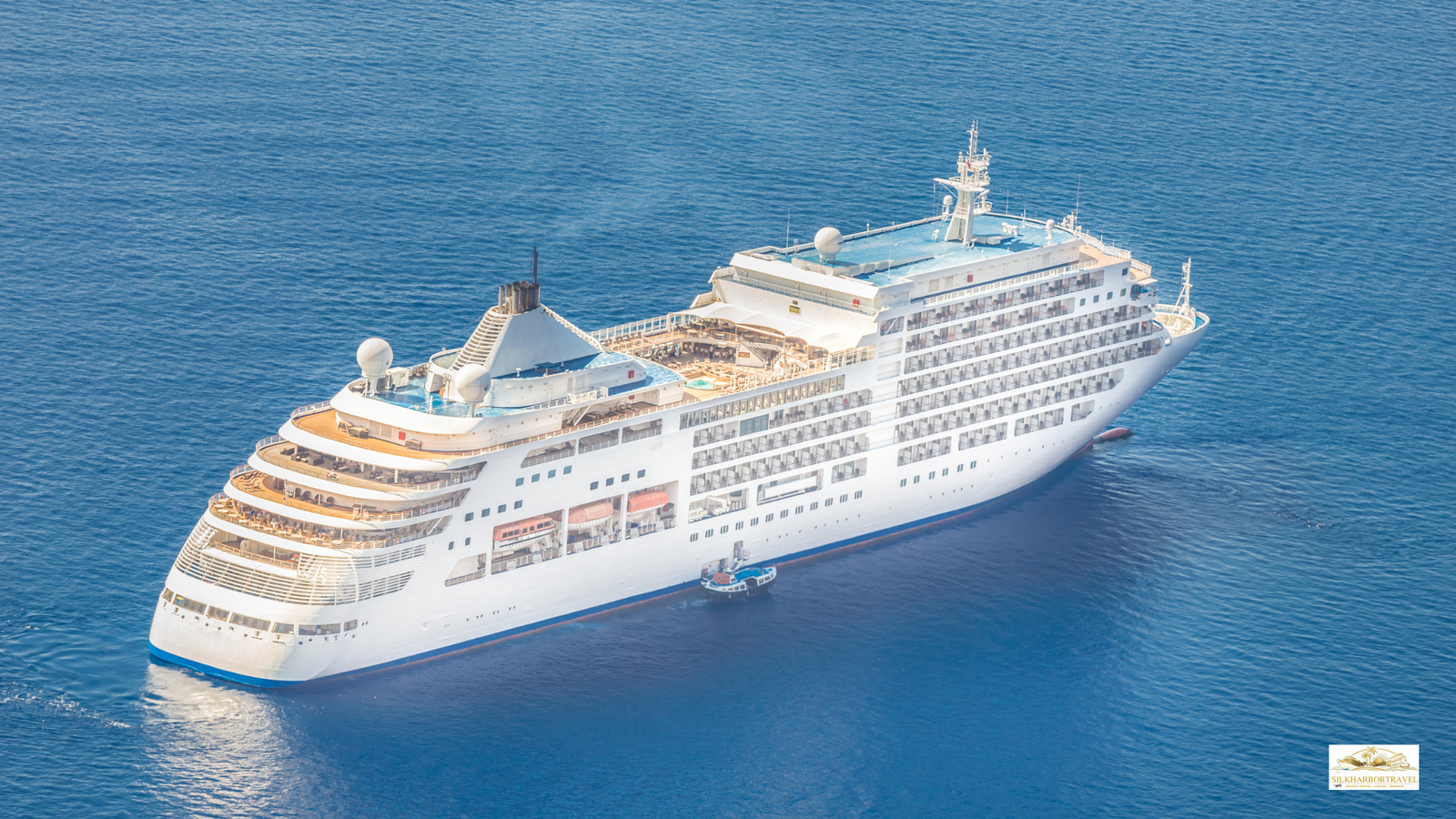
If you want to make sea days feel premium, build a simple rhythm: slow breakfast, one wellness moment, one signature lunch, and then an unplanned afternoon. After that, you can dress for dinner without feeling like you spent the day sprinting between activities. This pacing is the difference between a cruise that looks luxurious and a cruise that actually feels luxurious.
Cabins and suites: what matters most
A luxury cruise is only as good as your private space. Even if the ship is stunning, a noisy cabin or an awkward layout can quietly drain the experience. Therefore, prioritize the features that protect sleep, privacy, and the “reset” feeling when you return from port.
Suite layout: separation creates calm
The most luxurious suites create separation between sleeping and lounging. Consequently, you can wake up slowly while someone else enjoys coffee on the terrace, or you can rest while the room still feels bright and open. If you value romance, look for layouts that feel like a small apartment rather than a single large room.
Balcony quality: size matters, but privacy matters more
A balcony that feels private changes everything. Even a modest balcony becomes premium if it is sheltered from direct sightlines, has comfortable seating, and offers shade at the right times. On the other hand, a huge balcony can feel unusable if the wind, sun exposure, or visibility makes it uncomfortable.
Noise control: the hidden luxury feature
Choose cabin placement strategically. Look for rooms away from elevators, night venues, and heavy foot traffic. Additionally, consider what sits above and below your cabin, because overhead noise can be more disruptive than hallway noise. When sleep feels protected, the entire cruise feels more expensive.
Bathroom design: a small detail that becomes a daily mood
Bathrooms matter more than people expect because they shape your mornings and your evenings. A premium bathroom feels spacious, bright, and efficient: quality lighting, real counter space, and a shower that doesn’t feel cramped. Moreover, the best suites make it easy to get ready without turning it into a project.
Cabin booking strategy Pay for layout and placement first. Then, upgrade view if it makes you happy. Finally, add perks only if they simplify your day. This order creates the best luxury value.
Service signals that separate good from elite
Great service feels calm, not theatrical. On a true luxury cruise, the staff’s excellence shows up in timing, clarity, and quiet competence. Therefore, watch for the “invisible” signals that reveal whether the experience will stay smooth all week.
Preference capture that sticks
Elite service remembers your preferences without making you repeat them: coffee style, dining pacing, pillow choice, and schedule patterns. If the ship is set up to capture those details early, your week gets easier day by day. In contrast, if you are constantly explaining what you want, the luxury feeling fades.
Communication that removes uncertainty
Premium cruising reduces ambiguity. You should know where to be, when to be there, and what to expect, without feeling managed. Additionally, staff should resolve small issues quickly, before they become interruptions. That kind of responsiveness is the difference between “nice staff” and “luxury systems.”
Timing: the ultimate luxury skill
Timing is everything at sea. Great teams coordinate reservations, tours, and dining so you never feel rushed. Moreover, they protect your quiet moments by not interrupting you unnecessarily. When timing is handled correctly, your day feels spacious even when it’s full.
If you want an authority reference point for the cruising industry, the Cruise Lines International Association is a well-known trade association with broad cruise context and resources: https://cruising.org/
Dining: how to get the best tables and the best pacing
Dining is where many cruises either become unforgettable or quietly disappointing. Fortunately, you can plan dining like a luxury traveler: fewer “random” meals, more intentional choices, and better pacing. As a result, you enjoy the cuisine without feeling like every night is a marathon.
Reserve your “signature” nights early
Choose two signature dining experiences for a seven-night cruise, or three for a longer itinerary. Then, reserve them early so you get the best times and the best tables. Additionally, aim for timings that fit your rhythm: earlier if you want calm, later if you want atmosphere.
Protect lunch, because lunch sets your sea-day mood
Luxury sea days are built on excellent lunches. Instead of grabbing something rushed, choose a calm, scenic lunch and treat it as the centerpiece of the day. Consequently, your afternoon becomes slower and more enjoyable. A perfect sea-day lunch feels elegant, light, and unhurried.
Use the “one indulgence, one reset” method
Pair indulgent meals with simple meals. For example, after a tasting menu, do a lighter lunch the next day. That balance keeps you energized while still feeling spoiled. In other words, luxury is not constant intensity; it’s intelligent pacing.
Table tip If you care about the experience as much as the food, ask for a quieter table location. Great service will treat that request as normal.
The corridor test: when the ship feels like a luxury hotel
A luxury cruise often reveals itself in the in-between spaces: corridors, transitions, and the way the ship handles movement. If hallways feel quiet, well-lit, and thoughtfully designed, the entire environment tends to feel more premium. Moreover, those details usually correlate with better sound control in cabins and a calmer atmosphere overall.
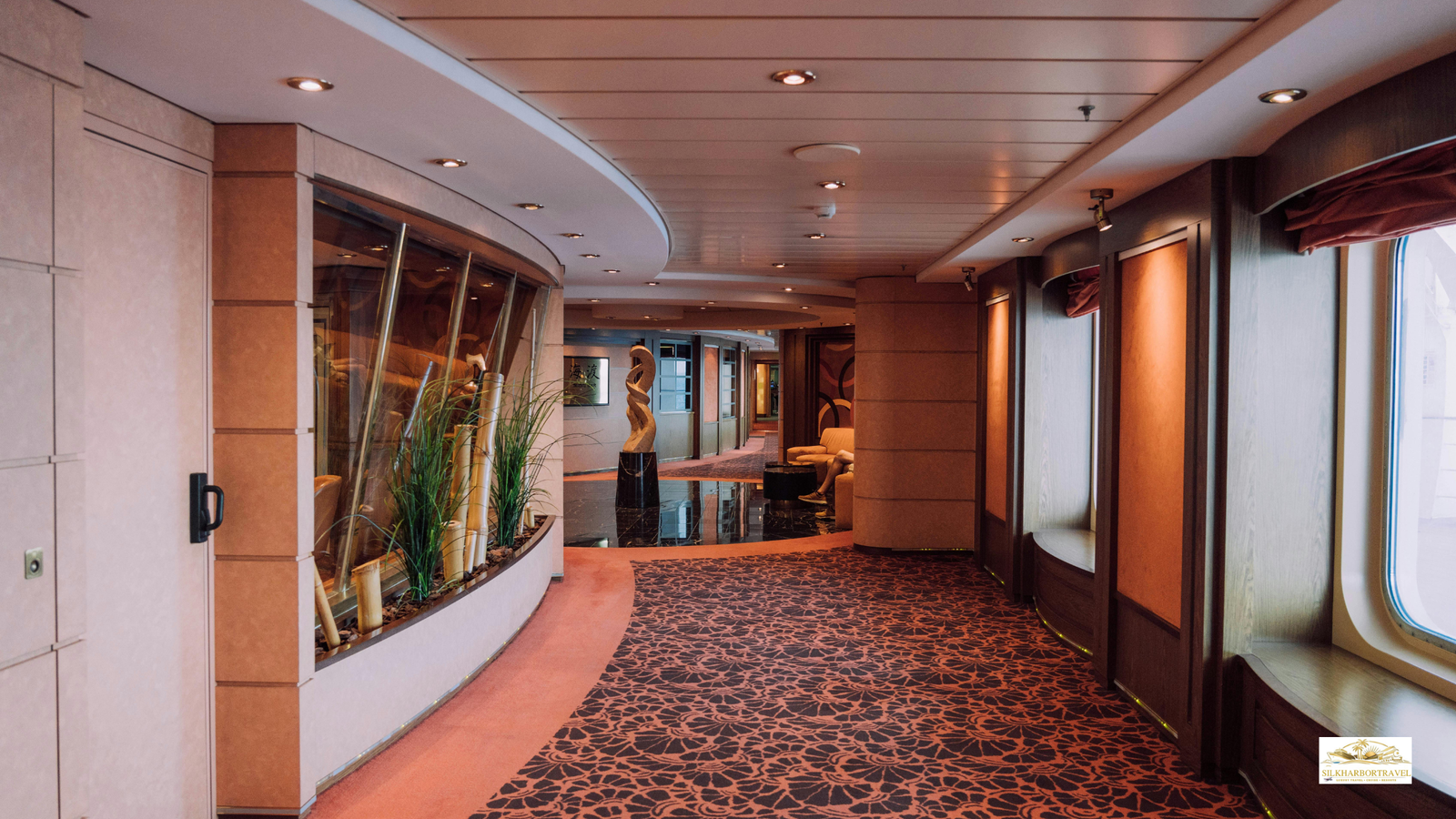
If you want the ship to feel hotel-like all week, prioritize: quieter cabin zones, premium elevators or stair access that doesn’t bottleneck, and public areas that are designed for both social moments and solitude. That way, you can choose your mood without having to hunt for it.
Itineraries: ports, overnights, and sea days
Itineraries are the most underrated part of a luxury cruise. While ships get the attention, routes define your daily energy. Therefore, choose an itinerary that protects time: longer stays, fewer rushed port days, and sea days positioned to help you recover. When you get the route right, even small details, like breakfast timing and sunset pacing, feel easier.
Look for longer port calls and fewer “drive-by” stops
Short port calls create stress. You disembark quickly, rush through one experience, and return feeling like you barely touched the destination. In contrast, longer calls let you explore slowly, return onboard to reset, and go back out if the mood hits. That pacing is a luxury feature, even if the brochure never says it.
Also, pay attention to arrival and departure hours. A late-morning arrival can protect sleep, and an evening departure can create a polished day: a slow morning onboard, a relaxed afternoon ashore, and a calm return without sprinting through crowds. If you want the trip to feel quietly expensive, choose a route where time feels generous.
Overnights: the easiest way to make a luxury cruise feel exclusive
Overnight stays allow you to experience a destination after day-trippers leave. Consequently, dinners feel calmer, streets feel more intimate, and you can do a second “mini day” without pressure. If your goal is cultural depth, overnights often deliver more memorable luxury than a bigger suite.
Overnights also improve logistics. You can split plans into two lighter sessions instead of one packed day. For example, you can do a signature museum or guide experience in the afternoon, then save your most elegant dinner for the evening, and still return onboard without stress. The result feels curated rather than compressed.
Sea-day placement: build a rhythm, not a sprint
The best itineraries place sea days after intense port sequences or before major destination days. That structure keeps your trip balanced. Additionally, it prevents the “tired by Day 4” crash that happens when every day starts early and ends late.
Sea days are not filler on a luxury cruise. They are where the ship’s design, service, and atmosphere prove themselves. A strong sea-day rhythm lets you enjoy slow breakfasts, spa resets, long lunches, and sunset cocktails without feeling like you are “missing” something. If you want a cruise that feels restorative, prioritize itineraries that include at least one well-timed sea day for every two or three port days.
Itinerary rule that protects luxury
Avoid schedules with too many consecutive early mornings. Instead, choose a route that builds recovery space into the plan. You can still do iconic ports; however, you will enjoy them more when rest is designed into the week. If two routes look similar, choose the one with fewer tender ports, longer docked hours, and at least one overnight.
Onboard spaces that make it feel quietly expensive
The most luxurious ships do not rely on one dramatic space. Instead, they create a network of calm places where you can reset. Accordingly, look for “quiet luxury” features that improve your day without demanding attention.
Lounges that support long stays
A real luxury lounge invites you to linger: comfortable seating, good lighting, and service that flows naturally. You should be able to read, talk, or simply watch the sea without feeling like you need to move. Furthermore, great lounges reduce crowding elsewhere because people spread out comfortably, which keeps the ship feeling calmer overall.
When you evaluate lounges, think about function. Is there a place for a late-morning coffee that feels peaceful? Is there an evening lounge that still feels refined when it’s busy? Are there smaller hideaways where you can disappear for an hour? A ship that offers multiple “stay awhile” spaces typically feels more polished day to day.
Outdoor shading and seating variety
Deck comfort is a daily luxury. You want shade options, wind protection, and seating that fits different moods. For example, you might want a sun lounger at noon, yet prefer a shaded sofa in the afternoon. When the ship supports both, sea days become a pleasure instead of a negotiation.
Also, look for smart deck zoning. On truly premium ships, you can find areas that feel quiet and adult, while other areas hold the more social energy. That separation protects the experience, because you can choose your mood instead of being forced into one vibe.
Wellness spaces that feel intentional
Wellness should feel integrated, not performative. Look for a gym with good light, spa areas that feel calm, and relaxation spaces that are genuinely quiet. Additionally, consider whether the ship supports small wellness touches like hydration stations, thermal areas, peaceful loungers, and programming that feels restorative rather than gimmicky.
A luxury cruise becomes noticeably better when wellness is easy. If you can do a simple routine each day, such as a short workout, a steam session, and a quiet hour with a book, you will feel the difference by mid-week.
Flow: the ship should feel easy to navigate
The best luxury ships are easy to understand. You can move from cabin to dining to deck without confusing bottlenecks. Moreover, you should not feel like the ship’s busiest areas are unavoidable. When flow is designed well, the experience feels polished at every hour.
This matters more than most people realize. If you constantly fight crowds for elevators or walk through noisy zones to reach calm ones, the trip loses its effortless feel. Luxury is not only what the ship offers, but how easily you can access it.
Planning checklist: timing, packing, and upgrades
Luxury planning is mostly about removing future stress. Therefore, use this checklist to protect the feel of your luxury cruise from the very beginning. When the basics are handled early, you can focus on enjoyment once you step onboard.
Timing: choose dates that protect atmosphere
If you want a calmer ship, avoid peak school holiday windows when possible. Shoulder periods can deliver better availability and a quieter onboard vibe. Additionally, match timing to your route’s weather patterns, because rough seas can change the feel of a cruise and impact tender ports. When timing fits your comfort, everything becomes easier, including sleep and sea-day enjoyment.
Also, consider event-driven crowds. Some sailings align with festivals, holidays, or major port events, which can be incredible if you want that energy. However, if you want quiet luxury, those weeks can feel busier both onboard and ashore.
Documents and logistics: eliminate decision fatigue
Confirm required documents early, then store backups digitally. Arrange transfers so arrival day feels smooth. After that, plan a simple embarkation routine: arrive early enough to avoid stress, yet not so early that you spend hours waiting. This approach keeps the first day calm, which sets the tone for the week.
If your cruise includes flights, build buffer time. Delays happen, and luxury disappears when you are sprinting. A protected schedule keeps everything feeling composed, including check-in, luggage delivery, and your first drink on deck.
Packing for a luxury cruise: fewer pieces, better quality
Pack for elegance without complication. Bring refined basics you can repeat: breathable daywear, one or two elevated evening outfits, and comfortable footwear. Also, add a light layer for breezier decks and cooler interiors. When you pack intentionally, getting ready becomes simple, which makes the cruise feel more luxurious.
Instead of packing “just in case” items, pack a small set of outfits that mix easily. That strategy protects space, reduces clutter in the cabin, and keeps the week feeling organized. It also makes formal nights easier, because you know exactly what you will wear.
Upgrades that usually feel worth it
- A cabin or suite layout upgrade that improves privacy, storage, and sleep quality.
- Dining reservations for signature nights at the best times, so you avoid rushed seatings.
- Private or small-group shore experiences when they simplify logistics and pacing.
- Spa access or a thermal pass if you plan to use it on sea days.
- Wi-Fi only if you truly need reliability; otherwise, keep it minimal so the cruise feels like a true break.
Luxury planning rule
Never schedule more than one “major commitment” per day. Consequently, you stay rested and enjoy each experience more. Leave space for unplanned moments: a lingering lunch, a second swim, an extra hour in the spa, or a sunset you did not rush through.
Luxury cruise video inspiration
Use this video to calibrate your taste: ship atmosphere, suite styling, and the pacing that makes a cruise feel premium. It can also help you decide whether you prefer a serene “quiet elegance” week or a more social, scene-forward sailing.
While you watch, pay attention to the quiet details: corridor noise, lounge comfort, deck shading, and how dining spaces are spaced. Those signals often predict whether a luxury cruise will feel calm day after day.
Final luxury cruise strategy
A luxury cruise becomes unforgettable when you plan for calm instead of intensity. First, choose the vibe you want. Next, protect sleep and privacy with smart cabin placement and a layout you’ll love. Then, curate two or three signature moments—dining, wellness, or a standout port day—while leaving real space for sea-day serenity.
Most importantly, remember that luxury is a system. When the ship’s design, service, and itinerary align with your rhythm, the trip feels effortless. Consequently, you return home feeling restored rather than “needing a vacation after the vacation.”
The simplest way to upgrade any cruise
Slow the schedule down on purpose. A luxury cruise should never feel like you are chasing your own trip. When you choose pacing as the priority, every other upgrade becomes more valuable.