

SilkHarborTravel • Luxury City Stays
Paris luxury is rarely loud. Instead, it’s measured in quiet details: how a room holds light at dusk, how smoothly your arrival is handled, and how effortlessly the hotel protects your privacy while still anticipating what you want next. This guide is designed to help you book a luxury hotel in Paris France with confidence—so your trip feels refined from the first transfer to the final checkout.
Along the way, you’ll learn how to choose the right neighborhood, what “real luxury” signals look like in service and design, which room categories are worth upgrading, and how to plan your days so Paris feels cinematic rather than crowded. Most importantly, you’ll walk away with a practical checklist you can use immediately.
- Why Paris luxury feels different
- Best neighborhoods for luxury stays
- Palace vs five-star: what it means in France
- Room strategy: what to upgrade (and what to skip)
- Service signals that separate “nice” from elite
- Dining and spa planning, the luxury way
- 3–7 day luxury Paris itineraries
- Planning checklist: transfers, timing, and dress
- Paris luxury video inspiration
- Luxury hotel in Paris France FAQ
Why Paris luxury feels different
Paris is not a “do everything” city. Instead, it’s a “do fewer things, better” city. Consequently, the best luxury trips here feel unhurried, even when the schedule looks full on paper. That shift starts with your hotel choice, because the right property becomes a stabilizer: it simplifies logistics, sets a calm rhythm, and creates a private world you can return to between experiences.
Additionally, Paris is a city of micro-moments. A ten-minute walk across a bridge at dusk can feel as meaningful as a major museum visit. Because of that, true luxury isn’t only about impressive public spaces; it’s also about your ability to move through the city smoothly. When the hotel does its job well—doors, drivers, reservations, and timing—you stop thinking about coordination and start feeling Paris.
Book your days around two anchors: one “signature” experience (museum, shopping, or dining) and one “soft” experience (stroll, café, or spa). That balance keeps the trip elegant rather than exhausting.
Best neighborhoods for luxury stays
Location is the quiet power move in Paris. While you can reach most major sights from anywhere, the best luxury stays reduce friction. Therefore, you’ll want a base that matches your preferred Paris: classic and polished, artistic and intimate, or modern and high-energy.
The Golden Triangle (8th): iconic glamour
If you want the most recognizable “Paris luxury” atmosphere—designer shopping, immaculate streets, and a distinctly polished pace— the Golden Triangle is a natural fit. It’s defined by Avenue Montaigne, Avenue George V, and the Champs-Élysées area, which is why it’s so popular for top-tier hotels and boutiques. :contentReference[oaicite:0]{index=0}
This area suits travelers who value proximity to luxury retail, strong concierge networks, and easy access to river walks and landmark views. However, because the neighborhood is high-profile, choosing a room with quiet placement becomes especially important.
Saint-Germain-des-Prés (6th): discreet elegance
Saint-Germain is where luxury leans understated: beautiful streets, galleries, cafés, and a calm that feels residential rather than showy. As a result, it’s ideal if you want Paris to feel lived-in and intimate, while still staying in a world-class hotel environment.
It’s also excellent for walkability. You can drift from coffee to bookshops to river promenades without needing a car, which makes the trip feel effortless.
1st/7th: “postcard Paris” access
The 1st arrondissement gives you close access to the Louvre area and some of the city’s most elegant promenades. Meanwhile, the 7th offers the classic “near the Eiffel Tower” appeal and a strong sense of calm.
Choose these if you want early mornings before crowds, because you can reach iconic sights quickly and then retreat back to a quiet room.
Le Marais (3rd/4th): stylish, social, and curated
Le Marais is luxury with personality: design shops, excellent dining, and a livelier rhythm. Therefore, it’s a strong pick if you want your hotel to feel contemporary and connected to the city’s creative energy.
Since nightlife is closer here, prioritize sound insulation and room position if you’re sensitive to noise.
In practice, the best neighborhood is the one that supports your preferred daily flow. If you want shopping and classic glamour, choose the 8th. If you want discreet refinement and café life, choose the 6th. If you want museums and calm early starts, choose the 1st or 7th. Finally, if you want design and dining energy, the Marais is a strong contender.
Palace vs five-star: what it means in France
In France, “Palace” is not just a marketing adjective. It’s an official distinction introduced in 2010 and awarded to a limited set of exceptional hotels that are already five-star, with additional criteria for excellence. :contentReference[oaicite:1]{index=1}
What does that mean for you as a traveler? It means two things. First, Palace-level properties tend to be extremely consistent across service, rooms, and public spaces. Second, they often operate at a deeper level of personalization—preferences are remembered, timing is refined, and the hotel feels like it can quietly “solve” your trip.
However, many non-Palace five-star hotels are extraordinary, especially if you’re prioritizing a specific style: modern design, wellness programs, large suites, or a quieter atmosphere. Therefore, the smartest approach is to decide what kind of luxury you want, and then choose the hotel category that aligns with that goal.
If this is your first luxury Paris trip and you want maximum confidence, Palace-level hotels are a reliable baseline. If you’re returning to Paris and you want a more personal aesthetic or better value for space, a top-tier five-star can be the better fit.
Ready to compare luxury stays in Paris?
Use this section as your booking button area once your Trip.com links are live. Place it here because readers have just clarified neighborhood and hotel tier.
Disclosure: partner links may earn a commission at no extra cost to you.
Room strategy: what to upgrade (and what to skip)
In Paris, room choice is more than comfort—it’s a mood choice. Because days can be long and the city is stimulating, your room is where you reset. Therefore, the smartest upgrades are the ones that improve rest, privacy, and light.
1) Upgrade for quiet and sleep quality first
Start with the unglamorous question: will this room be quiet? A beautiful suite that faces heavy traffic can still feel “less luxury” than a smaller room that’s silent at night. Consequently, prioritize sound insulation, calm placement, and real blackout capability.
2) View upgrades are worth it when they create a daily ritual
A view matters most when you use it. If you imagine slow coffee mornings, golden-hour downtime, or late-night champagne with Paris lights, then a view becomes a daily experience. Otherwise, it’s just a photo you take once.
3) Suites are best for longer stays, families, or “in-room dining” travelers
Suites shine when you want space to live: a separate seating area, a dining setup, and the ability to spread out without visual clutter. Additionally, suites can transform the rhythm of the trip—especially if you plan to do breakfast in-room, or you want your room to feel like a private salon.
4) Don’t pay for “features” you won’t use
Some amenities sound luxurious but don’t change your experience. If you won’t use a soaking tub, don’t pay for it. Similarly, if you prefer exploring cafés, don’t spend extra on a breakfast package you’ll skip. Luxury is clarity, not upgrades for their own sake.
Quiet placement, higher floors, better bedding, a view you’ll actually enjoy, and lounge space if you’ll do in-room dining.
“Extra” amenities you won’t use, add-ons that duplicate what Paris already offers outside the hotel, and packages that lock you into rigid timing.
Service signals that separate “nice” from elite
Luxury service in Paris is not about constant check-ins. Instead, it’s about quiet competence. You notice it in timing, coordination, and restraint. Because of that, these are the signals worth watching for.
Preference capture that feels real
The best hotels learn your preferences early and use them subtly. For example, your coffee arrives the way you like it, without a reminder. Similarly, your room setup reflects your habits: lighting, water, and small comforts placed exactly where they belong.
Concierge access that simplifies the city
A strong concierge team is an invisible advantage. They help you avoid crowded time slots, secure dining reservations, and create routes that feel calm. Consequently, your Paris becomes smoother and more personal.
Seamless arrivals and departures
Transfers are where trips often lose polish. Elite hotels manage that transition so it feels automatic: clear communication, exact timing, and no confusion. When this is done well, you arrive relaxed instead of “already tired.”
Privacy protection without coldness
The best luxury hotels understand when you want distance and when you want warmth. Therefore, they deliver presence without intrusion—discreet support, minimal friction, and a strong sense of control.
Dining and spa planning, the luxury way
Paris offers endless dining options, so the luxury approach is not “more reservations.” Instead, it’s choosing a few signature moments and spacing them thoughtfully. That way, your trip feels curated rather than scheduled.
Dining: one signature night, one spontaneous night, and one hotel moment
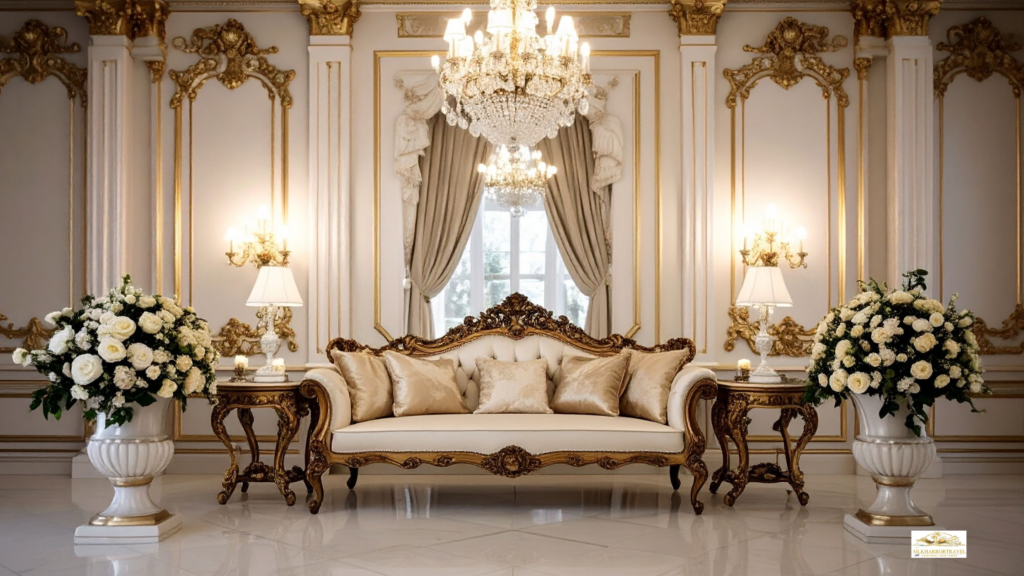
Start by choosing one signature dinner that matches your taste—classic French, modern tasting, or refined bistro energy. Then, leave one night intentionally open, because Paris is at its best when you follow the mood of the city. Finally, plan one hotel dining moment: either in-room dining with your chandelier-lit room ambiance, or a calm bar ritual before bed.
Spa: book the treatment that changes how you feel the next morning
Paris luxury is often walking-heavy. Because of that, bodywork can be the most valuable spa choice. A massage that resets your legs, back, and shoulders will improve every day afterward. If you have time for only one treatment, do it mid-trip, not at the end, so you actually benefit.
Put your most demanding day (major museum + long shopping route) immediately before your spa treatment. Then, follow the spa with a calm evening. This pacing keeps the trip feeling high-end instead of hectic.
3–7 day luxury Paris itineraries
These templates are designed around a simple luxury rule: one signature anchor per day, plus one soft, beautiful layer. As a result, Paris feels cinematic, yet you still have energy to enjoy your hotel properly.
Option A: 3 days (first-time luxury Paris)
Day 1: Arrival, settle, and a golden-hour walk along the river. Then, do a calm hotel bar moment before an early night.
Day 2: Museum anchor in the morning, café lunch, and a soft afternoon reset. Finally, choose your signature dinner.
Day 3: Shopping or neighborhood stroll, a final relaxed meal, and a smooth departure plan.
Option B: 5 days (shopping, dining, and a refined pace)
Day 1: Arrival and neighborhood orientation: a short walk, a café, and an early reset.
Day 2: Classic Paris morning route, then shopping in your hotel’s district. Add a signature dinner at night.
Day 3: “Soft” day: galleries, pastries, and a spa appointment mid-afternoon.
Day 4: Monument views and a romantic evening walk, followed by in-room dining or a quiet hotel dinner.
Day 5: Flexible morning, one last highlight, and depart with no rushed transfers.
Option C: 7 days (the complete luxury city stay)
Over a week, you can include two signature dining nights, one spa reset, one major museum day, and multiple “unplanned” hours. Consequently, the trip feels both elevated and personal. The key is simple: never schedule more than one major commitment per day.
If you’re specifically planning a luxury hotel in Paris France stay for seven nights, this is where the hotel becomes part of the experience, not just a place to sleep. For example, you can build “rituals” into the week—an elegant breakfast on property, a late-afternoon reset in your suite, and a calm pre-dinner moment at the bar. As a result, Paris feels less like a checklist and more like a refined lifestyle for a few days.
Additionally, a 7-day itinerary is ideal if you want to mix classic Paris icons with quieter, upscale neighborhoods. You can spend a day in the Golden Triangle for luxury shopping, another day in Saint-Germain for galleries and cafés, and still have time for slow river walks that make the city feel cinematic. Most importantly, longer stays reduce pressure. That means you’ll avoid crowd-heavy time slots, choose better reservation times, and enjoy true five-star pacing.
Finally, a full week gives you room to upgrade the trip in smart ways. For example, you can schedule one private driver day, one spa treatment that improves how you feel for the rest of the week, and one elevated dining experience that becomes the highlight of the stay. When done well, this is exactly how a luxury hotel in Paris France stay feels effortless, polished, and genuinely memorable.
Planning checklist: transfers, timing, and dress
A luxury hotel in Paris France can be extraordinary, yet logistics still matter. Therefore, use this checklist to protect the feel of your trip. With a few smart decisions, you’ll reduce friction, avoid tourist traps, and keep the week feeling elegant from start to finish.
Transfers
Book airport transfers in advance when possible, especially if you arrive early morning or late evening. That way, you avoid decision fatigue on arrival. Additionally, confirm the pickup details in writing (terminal, meeting point, and driver contact method). Luxury often comes down to smooth transitions, so a clean arrival sets the tone immediately.
If you’re staying near Avenue Montaigne or Saint-Germain, ask the hotel whether street access is easiest at your specific entrance. Some areas have narrow streets, temporary closures, or limited drop-off points. As a result, planning this in advance prevents a “confusing first ten minutes,” which is the opposite of what you want from a five-star Paris arrival.
Timing
Paris rewards early starts and late finishes. Visit major sights in the morning, then return to the hotel to reset. After that, step back out for evening Paris, which is often the most luxurious version of the city—quieter streets, warmer lights, and a calmer pace that feels distinctly Parisian.
Furthermore, build buffer time into every day. Even if you’re using a concierge and private transfers, Paris is still a living city. Therefore, leave extra space for traffic, long lunches, and spontaneous stops. When you plan a Paris luxury itinerary with breathing room, your trip feels intentional rather than rushed.
Dress
Paris style is less about flashy labels and more about polish. Choose clean silhouettes, comfortable footwear that still looks refined, and one elevated outfit for a signature night. Because you’ll walk more than you expect, comfort is not optional—it is the foundation.
Additionally, pack for flexible layering. Paris weather can shift throughout the day, and luxury travelers tend to move between outdoor strolls and indoor environments quickly. Consequently, a light coat, scarf, or structured layer keeps you comfortable while maintaining that effortless, upscale look.
Local fees
Paris applies a tourist tax (“taxe de séjour”) that can vary by accommodation category, and it’s typically paid locally rather than included in the base rate. Therefore, plan for it during budgeting so checkout stays effortless.
Confirm transfers 24–48 hours before arrival, request a quiet room placement, plan one major commitment per day, schedule a mid-trip spa reset, and reserve one signature dinner in advance. These five steps protect the luxury feel of your Paris stay.
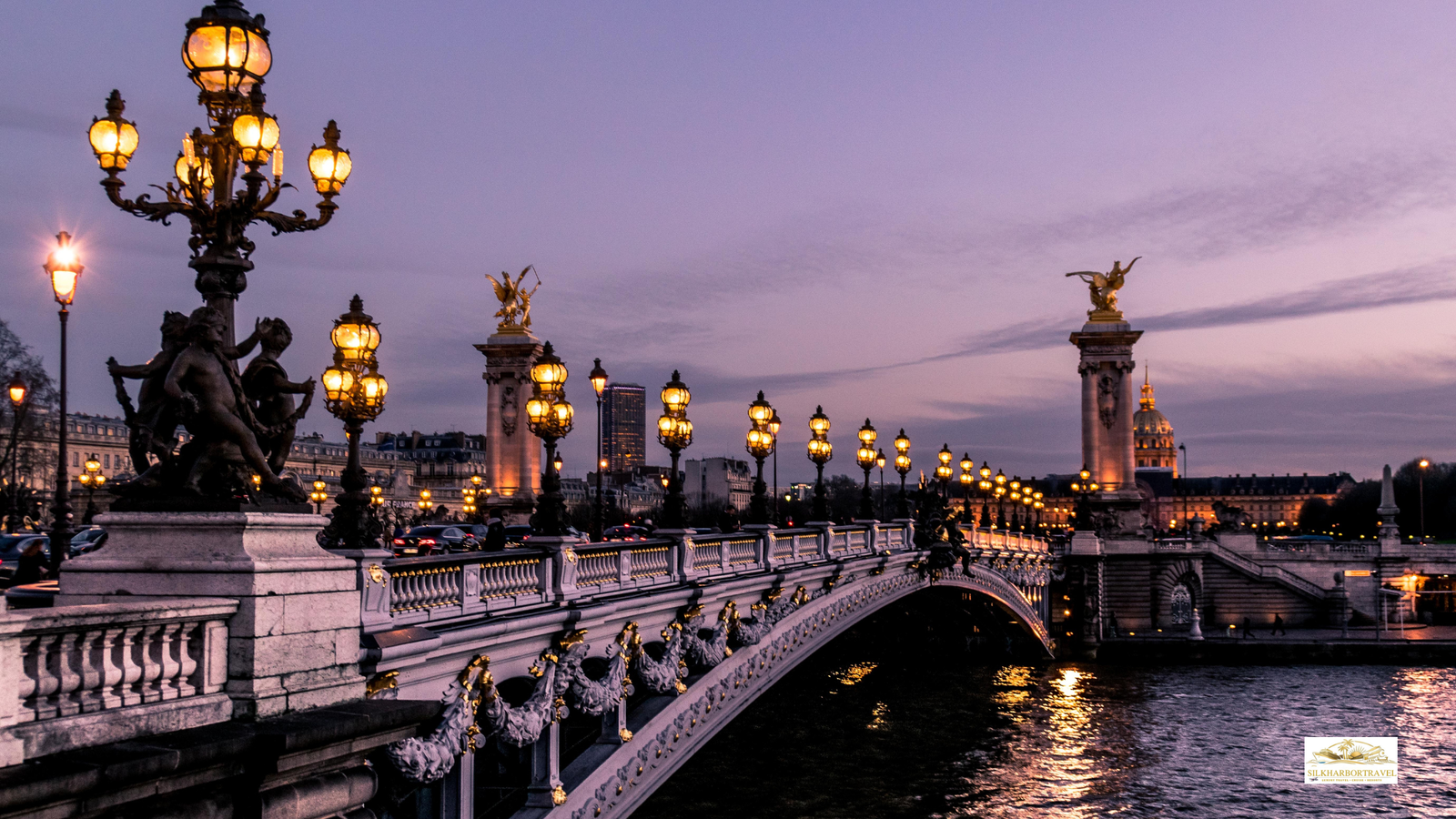
Paris after dark: the most luxurious version of the city
If you want your luxury hotel in Paris France trip to feel cinematic, plan for Paris at night. The city becomes softer and more refined after dark. Streets are calmer, reflections on the water look like a movie scene, and your evening walks feel less like sightseeing and more like a private ritual.
As you plan, try pairing one evening walk with a relaxed hotel moment—either a quiet cocktail in the lobby lounge or a short reset in your suite before dinner. That pacing keeps your nights elegant rather than exhausting, and it makes returning to your hotel feel like coming back to a sanctuary.
Sunset planning: how to get the iconic view without the chaos
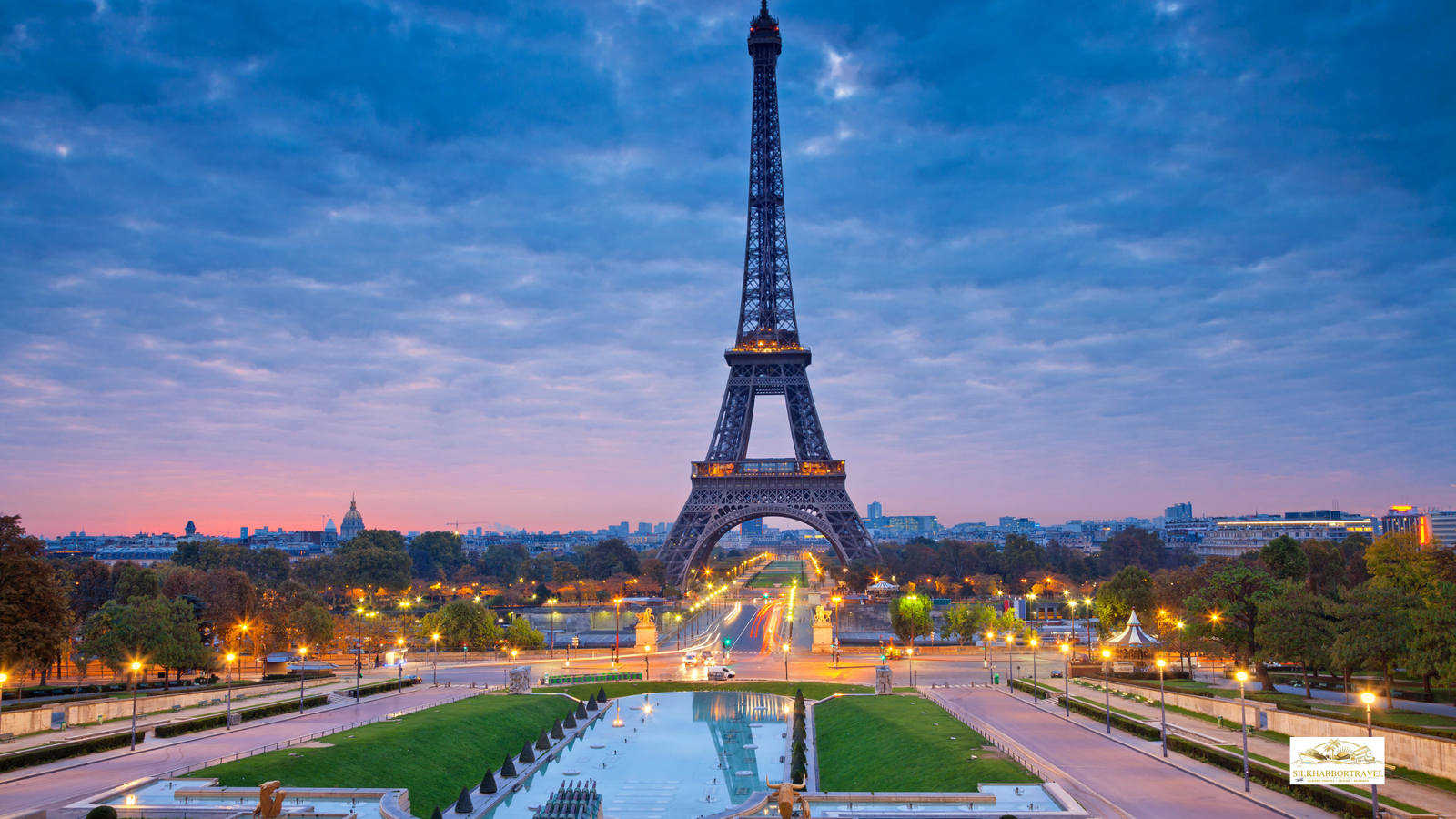
Sunset in Paris is one of those moments that can either feel magical or crowded. Therefore, plan it like a luxury traveler: choose a calmer vantage point, arrive slightly early, and avoid stacking your schedule too tightly beforehand. When you do that, the experience feels intimate, and it pairs perfectly with a relaxed evening plan.
If your hotel is in the 7th, 8th, or near the river, you can often build a simple routine: sunset view, short stroll, and then return to the hotel for a refined reset before dinner. This is one of the easiest ways to make a luxury hotel in Paris France stay feel like a true five-star escape.
Luxury hotel in Paris France video inspiration
Before you finalize bookings, it helps to calibrate the vibe you want: classic Parisian glamour, quiet elegance, modern design, or a wellness-first stay. This video is useful for mood and pacing, especially if you’re building a luxury Paris itinerary with minimal stress and maximum atmosphere.
Additionally, use it to spot what you naturally gravitate toward—lobby styling, bar ambiance, room lighting, and evening street scenes. When those details match your preferences, your luxury hotel in Paris France stay feels aligned instead of “randomly expensive.”
Want the easiest upgrade for a Paris stay?
The fastest way to elevate a luxury hotel in Paris France experience is simple: request a quiet room placement, book one signature dining reservation, and plan your days around calm pacing. Then, keep the rest flexible so Paris feels effortless.
Furthermore, prioritize the upgrades that change your daily comfort: better sleep, a view you’ll actually use, and a room category that gives you a true reset between museum hours and evening plans. When those pieces are in place, everything else becomes easier—and your trip feels intentionally luxurious rather than busy.
Disclosure: partner links may earn a commission at no extra cost to you.
Concise answers • Luxury booking clarity
Luxury Hotel in Paris France FAQ
These are the questions travelers ask right before they book—neighborhood fit, room upgrades, service signals, and how to keep Paris feeling calm. Use this as your final filter so every choice matches the experience you want.
Which neighborhood is best for a luxury hotel in Paris France?
Choose the 8th (Golden Triangle) for classic glamour and luxury shopping, the 6th for discreet elegance and café life, the 1st/7th for landmark proximity and calm mornings, and Le Marais for contemporary design and dining energy. Your “best” neighborhood is the one that supports your daily rhythm.
Is Palace status important when choosing a Paris luxury hotel?
Palace is an official French distinction awarded to a limited set of exceptional hotels that are already five-star. It can be a useful signal of consistency and service depth, although many non-Palace five-star properties are also outstanding depending on your style preferences. :contentReference[oaicite:3]{index=3}
What room upgrade is most worth it in Paris?
The highest-value upgrade is often quiet placement plus better sleep quality (sound insulation, blackout, premium bedding). After that, upgrade for a view only if it creates a daily ritual you’ll actually use—slow mornings and golden-hour resets.
How many nights is ideal for a luxury Paris stay?
Three nights works for a first luxury overview, five nights is a sweet spot for shopping and dining with a calm pace, and seven nights is ideal if you want one spa reset, multiple neighborhoods, and genuinely unhurried time.
How do I keep Paris feeling luxury-level instead of crowded?
Plan one signature anchor per day and add one soft layer (stroll, café, spa). Start big sights early, reset at the hotel mid-afternoon, then go back out for evening Paris. This structure preserves energy and keeps the trip elegant.
Should I book hotel breakfast or eat out?
Book hotel breakfast if you love a polished, unhurried start and you’ll use it most mornings. Otherwise, choose a lighter plan and enjoy Paris cafés. Luxury is choosing what fits your habits, not paying for a package you’ll skip.
What are the top service signals of a truly elite hotel?
Look for strong preference capture, seamless transfers, calm concierge coordination, and privacy-first support. Elite service feels quiet and automatic—excellent timing, minimal friction, and no repeated questions.
What should I budget for in addition to the room rate?
Plan for transfers, dining highlights, and the local tourist tax (“taxe de séjour”), which can vary by accommodation category and is often paid locally. :contentReference[oaicite:4]{index=4}
Is it better to stay near the Eiffel Tower?
Staying in the 7th can be calm and scenic, especially for early morning walks. However, the best choice still depends on your priorities—shopping and classic glamour favor the 8th, while café life and understated elegance favor the 6th.
What’s the simplest luxury itinerary structure for Paris?
Do one major commitment per day (museum, shopping route, signature dinner), then build the rest around soft moments. Add a mid-trip spa reset, and keep one evening open for spontaneous Paris—this balance is what makes the trip feel expensive.